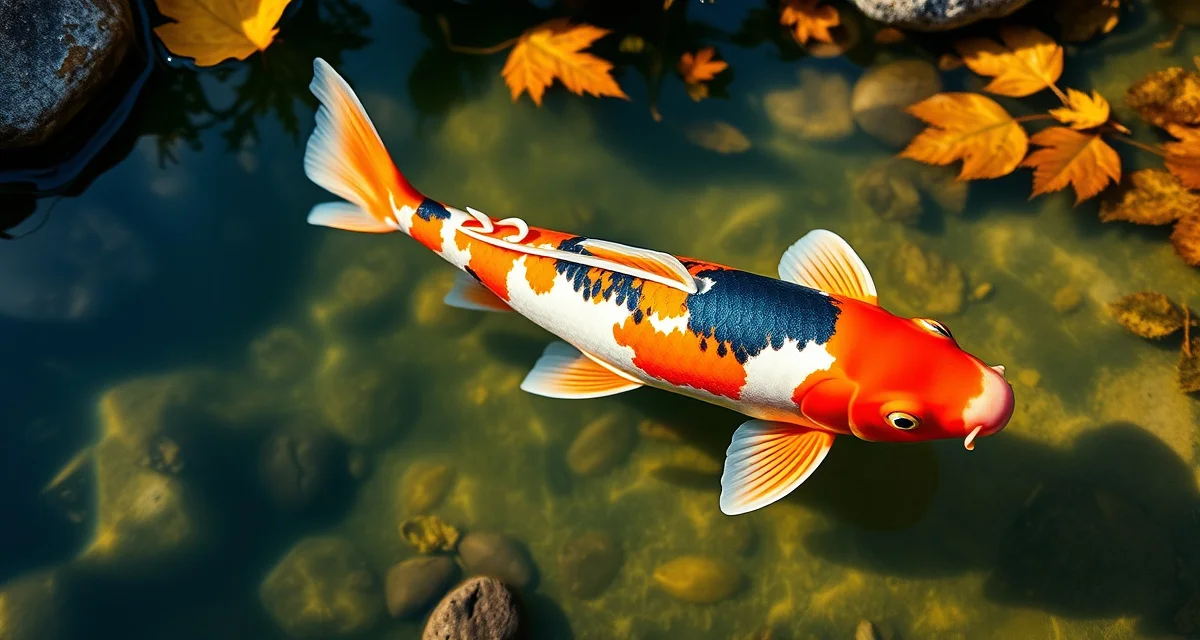
Autumn Koi Quarantine and Health Preparation Protocol
Untreated disease entering winter kills koi at 3-5 times the rate of disease entering summer. The difference is the immune system. In summer, koi have full immune function and the capacity to mount strong responses even to significant pathogens. In winter, immune function drops to minimal levels, leaving fish unable to fight infections that a healthy summer fish would overcome without issue.
Autumn is your window to resolve everything before that immune shutdown happens. KoiQuanta's autumn protocol triggers a complete health audit of all fish before winter dormancy. No competitor has seasonal protocol variations for autumn preparation.
TL;DR
- Most treatments require temperatures above 10°C to be effective, and most bacterial infections need temperatures above 15°C for antibiotic therapy to work adequately.
- KoiQuanta's autumn mode activates when temperatures drop below 18°C and shows a treatment window countdown based on your pond's historical temperature data.
- Transition gradually over 2-3 weeks in late summer.
- By the time temperatures drop below 12°C, fish should be primarily on wheat germ.
- The core recommendation: heat your quarantine tank to maintain 18-20°C regardless of outdoor temperature.
- This allows proper immune function and treatment efficacy throughout a full quarantine period, even if the outdoor pond is dropping to 10-12°C.
- A fish that arrives in October still needs 4-6 weeks of proper quarantine.
Why Autumn Health Matters More Than Spring
Spring disease management gets most of the attention in koi keeping, and for good reason. But autumn is when you determine the condition of the fish that will face winter.
A fish entering winter with an untreated wound becomes a fish with a severe bacterial infection by spring. A fish with mild gill fluke infestation in October becomes a fish with severe gill disease by March, when parasites have had five months to reproduce in a host with no immune defense.
The autumn protocol isn't about treating disease in the cold. It's about ensuring every fish enters winter as healthy as possible, so the conditions you find in spring are the result of normal winter management, not preventable autumn neglect.
The Autumn Assessment Window
You have a practical treatment window in autumn before water temperature drops below 10°C. Most treatments require temperatures above 10°C to be effective, and most bacterial infections need temperatures above 15°C for antibiotic therapy to work adequately.
In most of the US, this window falls between September and early November, depending on your climate. In the Pacific Northwest or New England, the window may close in October. In the South, it may stay open through November.
KoiQuanta's autumn mode activates when temperatures drop below 18°C and shows a treatment window countdown based on your pond's historical temperature data. This gives you a clear sense of how much time you have to complete any necessary treatments.
Autumn Quarantine Review
For any fish that came through quarantine in the past year, the autumn protocol includes reviewing their quarantine records. Were all quarantine criteria met? Are there any unresolved health concerns from their quarantine period that warranted follow-up?
For fish that are selling candidates or show fish, autumn is the time to ensure documentation is complete before any winter shows or spring sales events.
Review the koi seasonal management guide for the full calendar context of autumn management within your annual management cycle.
Step-by-Step Autumn Protocol
Step 1: Complete Physical Assessment of All Fish
Before temperatures fall below 15°C, observe every fish in your collection carefully. Look for:
- Any skin wounds, ulcers, or lesions that weren't present or fully healed in summer
- Fin damage or fin rot that needs treatment before winter
- Body condition: are fish at a healthy weight entering winter?
- Behavioral changes: any fish hanging near the surface, isolating from the group, or appearing lethargic?
Log your observations in KoiQuanta. The autumn assessment creates a documented baseline for comparing what you find in spring. If a fish has a small wound in October, you can track whether it healed or worsened through the winter period.
Step 2: Treat Active Issues
Any active health issue identified in the autumn assessment should be treated before temperatures fall below treatment-effective thresholds.
Bacterial ulcers and wounds: Treat before 15°C if possible. Topical treatment for individual fish, with antibiotics if bacterial infection is confirmed and medication is available. Don't enter winter with open ulcers.
External parasites: A final autumn antiparasitic treatment is good practice in ponds with any history of spring parasite problems. Treating in autumn (while temperatures are still effective for treatment) reduces the parasite load that overwinters on fish. Fewer parasites overwinter means fewer parasites reproducing in spring.
Gill flukes: Praziquantel is effective at temperatures above 10°C. A final fluke treatment in autumn is widely recommended for ponds with any gill fluke history.
Step 3: Boost Pre-Winter Nutrition
From late summer through autumn, koi should be fed a diet high in carbohydrates (wheat germ) to build fat reserves for winter. These fat reserves are their energy source through winter dormancy when they won't be feeding.
Do not switch to wheat germ abruptly. Transition gradually over 2-3 weeks in late summer. By the time temperatures drop below 12°C, fish should be primarily on wheat germ.
KoiQuanta's feeding log prompts the seasonal diet transition at the appropriate temperature trigger.
Step 4: Prepare Quarantine Capacity for Winter
In autumn, review your quarantine tank setup for any fish that may need isolation over winter. A fish with an active health issue may need to be held in a heated quarantine tank over winter so it maintains warm enough water for immune function and treatment efficacy.
Determine now whether you have the capacity to heat an isolation space over winter if needed. Setting up a quarantine tank in November when you urgently need it is far more stressful than having one ready.
Step 5: Final Water Quality Optimization
Before winter, confirm your water chemistry is stable:
- KH above 120 mg/L to protect against winter pH crashes
- Ammonia and nitrite at zero in established ponds
- Reduce feeding progressively as temperatures drop below 12°C
- Stop feeding entirely below 8-10°C
Leaf fall in autumn is one of the biggest organic load events of the year. Leaves decomposing in the pond drive ammonia and consume oxygen. Net removal of leaves before they sink and decompose is important autumn maintenance.
When to Use Quarantine for Autumn Fish Arrivals
Any fish arriving in autumn needs the same quarantine protocol as arrivals at any other time of year, with adjustments for temperature.
The koi pond winter preparation guide specifically addresses the challenge of quarantining fish in autumn when outdoor temperatures are falling. The core recommendation: heat your quarantine tank to maintain 18-20°C regardless of outdoor temperature. This allows proper immune function and treatment efficacy throughout a full quarantine period, even if the outdoor pond is dropping to 10-12°C.
Don't rush autumn quarantine. A fish that arrives in October still needs 4-6 weeks of proper quarantine. Rushing it to beat winter temperatures is how disease introductions happen.
Frequently Asked Questions
Should I treat koi before winter?
Yes, if any of your fish have active health issues, treat them before water temperatures fall below effective treatment thresholds. Bacterial infections need temperatures above 15°C for adequate antibiotic therapy. Antiparasitic medications are most effective above 10°C. Any fish with open ulcers, active parasite infestations, or untreated skin damage is a high risk for winter mortality. A prophylactic antiparasitic treatment in late October (where temperatures allow) is good practice in any pond with a history of spring parasite problems.
How do I prepare koi for winter dormancy?
Transition gradually to wheat germ-based food in late summer to help fish build fat reserves. Reduce feeding volume as temperatures drop below 15°C. Stop feeding entirely below 8-10°C. Confirm water chemistry is stable with KH above 120 mg/L. Ensure adequate aeration to prevent oxygen depletion under any ice. Do a final observation of all fish at the temperature where you can still clearly see them before they settle into dormancy. KoiQuanta's autumn mode tracks this temperature transition and prompts each feeding reduction and final observation step.
What health checks should I complete in autumn?
Complete a full physical assessment of every fish: check for skin wounds, ulcers, fin damage, and body condition. Review gill condition if practical. Log all observations in KoiQuanta with photos where possible, creating your pre-winter baseline record. Treat any active conditions before effective treatment temperatures close. Do a complete water parameter panel including KH to ensure your buffering is adequate for winter. Check and service all pond equipment including any pond heaters or de-icers you'll rely on for winter. Review quarantine equipment for winter availability if you might need isolation capacity.
What is Autumn Koi Quarantine and Health Preparation Protocol?
The Autumn Koi Quarantine and Health Preparation Protocol is a structured seasonal health audit designed to identify and treat disease in koi before winter dormancy. As temperatures drop below 18°C, immune function in koi begins to decline sharply. The protocol uses this window to quarantine, inspect, and treat fish while temperatures are still high enough for effective therapy, preventing untreated infections from becoming fatal during winter when fish cannot mount immune responses.
How much does Autumn Koi Quarantine and Health Preparation Protocol cost?
KoiQuanta's autumn protocol is included as part of the KoiQuanta platform subscription. There is no separate cost for seasonal protocol access. The real cost consideration is equipment: a heated quarantine tank capable of maintaining 18–20°C is essential. The investment in a reliable heater and tank setup is modest compared to the cost of losing valuable koi to preventable winter disease.
How does Autumn Koi Quarantine and Health Preparation Protocol work?
The protocol works by triggering an autumn mode when pond temperatures fall below 18°C, displaying a treatment window countdown based on your pond's historical temperature data. You quarantine fish in a heated tank held at 18–20°C, conduct a full health audit, and administer any necessary treatments while immune function and antibiotic efficacy remain viable. Fish are transitioned to wheat germ diet and cleared before temperatures drop below 12°C.
What are the benefits of Autumn Koi Quarantine and Health Preparation Protocol?
The primary benefit is dramatically reducing winter koi losses. Untreated disease entering winter kills koi at 3–5 times the rate of summer disease because immune function is suppressed in cold water. The protocol also ensures treatments are administered within effective temperature windows, since most bacterial infections require above 15°C for antibiotics to work. Early detection catches problems that would otherwise go unnoticed until spring, when damage is already done.
Who needs Autumn Koi Quarantine and Health Preparation Protocol?
Any koi keeper heading into autumn should consider this protocol, but it is especially critical for those with high-value fish, recently acquired koi, or ponds with a history of disease. New fish purchased in late summer or early autumn are particularly high-risk without proper quarantine. If you have introduced any fish within the past 90 days or noticed any behavioral changes, running the autumn protocol before temperatures drop is strongly recommended.
How long does Autumn Koi Quarantine and Health Preparation Protocol take?
The active quarantine and treatment phase typically runs 2–4 weeks, beginning when pond temperatures approach 18°C. The broader transition period, including diet shift to wheat germ, spans 2–3 weeks in late summer. The full protocol should be completed before temperatures fall below 12°C, at which point treatment efficacy drops significantly. Starting early gives you the most flexibility; waiting until temperatures are already low compresses your window and limits treatment options.
What should I look for when choosing Autumn Koi Quarantine and Health Preparation Protocol?
Look for a protocol with seasonal awareness built in, not just generic quarantine steps. Key features include temperature-triggered alerts, a treatment window countdown, and guidance calibrated to autumn-specific immune decline. The ability to maintain a heated quarantine tank at 18–20°C independent of outdoor temperature is essential. Prioritize protocols that account for both parasite and bacterial treatment thresholds, since these differ, and that include dietary transition guidance alongside the health audit.
Is Autumn Koi Quarantine and Health Preparation Protocol worth it?
Yes, for serious koi keepers it is one of the highest-return health practices available. The cost of a winter disease outbreak, in lost fish, emergency treatments, and stress, far exceeds the time and equipment investment of a structured autumn protocol. Because koi immune function is severely reduced in cold water, problems that are easily treated in autumn can be fatal by December. Running this protocol consistently each year is the single best way to protect fish through winter.
Related Articles
Sources
- Associated Koi Clubs of America (AKCA)
- Koi Organisation International (KOI)
- University of Florida IFAS Extension Aquaculture Program
- Fish Vet Group
- Water Quality Association