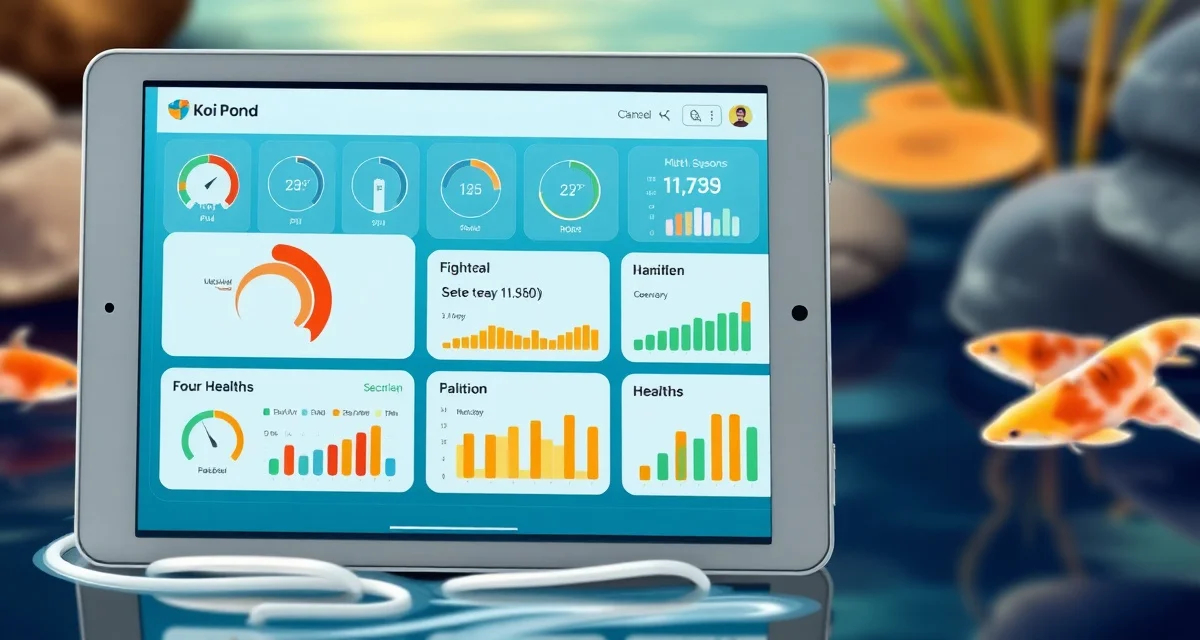
Koi Dealer Software for Ohio: Manage Quarantine and Health Through Midwest Seasons
Ohio koi dealers know the four-season management challenge well. Spring pond startup is the highest-risk period for disease, and experienced Ohio dealers have learned to expect problems every March and April no matter how carefully they managed the winter. The issue isn't poor care during dormancy. It's the biological reality of fish waking up with suppressed immunity into a pond where parasites are more active than defenses.
For dealers, spring disease events aren't just a fish health problem. They're a compliance problem too. An outbreak in April means treatment records need to be complete, isolation protocols need to be documented, and any regulatory reporting obligations need to be met quickly while also managing sick fish. Without a system that keeps records current through the winter months, spring compliance is a scramble.
TL;DR
- Consistent koi pond water quality tracker monitoring is the most effective way to prevent problems with koi dealer software for ohio.
- Tracking trends over time reveals issues before they become visible in fish behavior.
- KoiQuanta connects observations, water data, and treatment records in one searchable history.
- Early detection based on parameter trends reduces treatment costs and fish stress.
- Seasonal changes require adjusted monitoring schedules; automated reminders help maintain consistency.
Four-Season Monitoring Calendar
KoiQuanta's pre-populated Ohio climate calendar addresses all four seasonal risk windows:
Spring: Increased monitoring frequency as water rises through the 8-15°C range. Pre-spring disease screening checklist. Ammonia and nitrite alerts during filter recovery.
Summer: Heat management protocols when water exceeds 25°C. Dissolved oxygen alerts for early morning monitoring. Algae bloom response protocols.
Fall: Feeding reduction reminders as temperature drops. Late-season disease screening before dormancy. Preparation checklist for winter.
Winter: Monthly check-in reminders for dormancy monitoring. Ice management protocols. Pre-spring preparation timeline.
The calendar sends reminders year-round so compliance records don't develop seasonal gaps that show up during audits.
Ohio Regulatory Requirements
Ohio koi dealers are regulated under the Ohio Department of Agriculture's aquaculture licensing framework. Dealers selling live fish need a Commercial Fish Breeder or Dealer license, and import lots from out of state or internationally require accompanying health certification documents.
Ohio inspectors can request treatment records, koi quarantine program logs, and water quality documentation during facility inspections. The specific record set needed includes: lot source and health certification, quarantine dates, water quality test results, treatment records with doses and dates, and clearance documentation.
The dealer import compliance guide covers Ohio-specific and federal USDA requirements in detail.
Year-Round Record Quality
The most common compliance gap for Ohio dealers isn't spring or summer. It's the winter period. When fish are in dormancy and nothing appears to be happening, logging frequency naturally drops. That creates record gaps that inspectors notice.
KoiQuanta's year-round reminder system maintains record quality through all four seasons, not just the active outdoor season. Monthly water quality logs during winter, equipment checks, and lot status updates keep the record trail intact whether or not fish are visibly active.
The quarantine documentation hub explains how KoiQuanta builds a complete audit trail from lot arrival through sale or transfer.
Multi-Pond Operations
Many Ohio dealers and water garden installers operate multiple holding ponds or display ponds. Tracking water quality and fish health across multiple locations in a single system prevents the situation where different ponds have different documentation quality and creates gaps in the overall compliance picture.
KoiQuanta supports multiple pond profiles under one dealer account. Each pond has its own water quality log, quarantine records, and equipment profile, all managed from a single dashboard.
Frequently Asked Questions
How does seasonal change affect koi health in Ohio?
Ohio's spring transition from winter dormancy is the highest-risk period, typically February through April. Koi wake with suppressed immunity as parasites become active in warming water, creating ideal conditions for disease outbreaks. Summer brings dissolved oxygen risks during heat waves. Fall disease screening before dormancy gives koi the best chance of entering winter healthy. KoiQuanta's seasonal calendar pre-populates monitoring priorities for each of these windows.
What koi regulations apply to dealers in Ohio?
Ohio dealers need a Commercial Fish Breeder or Dealer License from the Ohio Department of Agriculture. Koi sold or imported must be accompanied by state-issued health certification documents. Treatment and quarantine records must be maintained. Dealers importing from international sources are also subject to USDA APHIS requirements. KoiQuanta's compliance workflow generates the required records for both state and federal compliance.
Can KoiQuanta track koi through Ohio winters?
Yes. KoiQuanta's winter dormancy mode adjusts monitoring expectations for cold-water periods while still sending monthly check-in reminders to maintain record continuity. As water temperatures rise in spring, the system automatically increases monitoring frequency and triggers the pre-spring disease screening checklist at the appropriate temperature threshold.
What is Koi Dealer Software for Ohio: Manage Quarantine and Health Through Midwest Seasons?
Koi dealer software for Ohio is a specialized management platform designed to help fish dealers navigate the state's four-season climate challenges. It centralizes quarantine tracking, water quality monitoring, treatment records, and compliance documentation in one system. Ohio dealers face unique pressures — particularly during spring startup when fish immunity is suppressed — and this software provides the organized recordkeeping needed to manage disease events, isolation protocols, and regulatory reporting without scrambling through paper logs or disconnected spreadsheets.
How much does Koi Dealer Software for Ohio: Manage Quarantine and Health Through Midwest Seasons cost?
KoiQuanta offers tiered pricing based on operation size and feature needs. Most Ohio dealers find the cost comparable to one missed disease event — a single spring outbreak that goes undetected for a few extra days can result in significant fish loss, treatment expenses, and compliance penalties. Exact pricing is available on the KoiQuanta website, but the platform is designed to be accessible for independent dealers and small-to-mid-size operations, not just large commercial facilities.
How does Koi Dealer Software for Ohio: Manage Quarantine and Health Through Midwest Seasons work?
The software works by connecting water quality readings, fish observations, and treatment records into a single searchable history. Dealers log parameters regularly, and KoiQuanta tracks trends over time so early warning signs appear before fish show visible symptoms. When a problem does occur, treatment protocols and isolation records are documented automatically, creating a compliance-ready paper trail. The system works year-round, keeping records current through dormancy so spring startup doesn't begin with a documentation gap.
What are the benefits of Koi Dealer Software for Ohio: Manage Quarantine and Health Through Midwest Seasons?
The primary benefit is early detection — catching parameter trends before they become health crises. For Ohio dealers, this is especially valuable during spring transition when biological risk peaks. Beyond fish health, the software provides compliance documentation that's always current, reducing the scramble during regulatory reporting. Dealers also benefit from a complete history that informs better seasonal decisions year over year, turning each spring's lessons into institutional knowledge rather than repeated mistakes.
Who needs Koi Dealer Software for Ohio: Manage Quarantine and Health Through Midwest Seasons?
Any Ohio koi dealer managing multiple fish, multiple systems, or any volume of seasonal inventory benefits from this software. It's particularly valuable for operations that face compliance obligations — treatment records, isolation documentation, and regulatory reporting. Dealers who have experienced spring disease events and found their recordkeeping inadequate during the crisis are the clearest fit. It also suits dealers who want to scale without proportionally increasing management complexity or the risk of something falling through the cracks.
How long does Koi Dealer Software for Ohio: Manage Quarantine and Health Through Midwest Seasons take?
Initial setup typically takes a few hours to configure your systems, baseline parameters, and existing fish inventory. After that, daily logging takes minutes. The real time investment is consistency — regular parameter entry is what builds the trend data that makes early detection possible. Dealers who use the software through one full Ohio seasonal cycle generally report that by the second spring, they're catching issues earlier and spending significantly less time on reactive crisis management and compliance scrambling.
What should I look for when choosing Koi Dealer Software for Ohio: Manage Quarantine and Health Through Midwest Seasons?
Look for software that handles the full seasonal cycle, not just active months. Ohio dealers need records to stay current through winter dormancy so spring startup has context. Prioritize trend tracking over point-in-time logging — single readings matter less than patterns. Quarantine and isolation documentation should be structured and exportable for compliance purposes. Integration between water data and treatment records is essential. Finally, look for a system designed specifically for fish health management, not a generic livestock or inventory tool adapted to koi.
Is Koi Dealer Software for Ohio: Manage Quarantine and Health Through Midwest Seasons worth it?
For Ohio dealers who've experienced a spring disease event without proper documentation, the answer is straightforward — yes. The combination of early detection, reduced fish loss, and compliance-ready recordkeeping typically delivers clear return on investment within one season. Beyond the financial case, the operational confidence of knowing your records are current and your isolation protocols are documented has real value during a crisis. Dealers managing any meaningful volume of fish are essentially self-insuring against preventable losses by not using a system like this.
Sources
- Associated Koi Clubs of America (AKCA)
- Koi Organisation International (KOI)
- University of Florida IFAS Extension Aquaculture Program
- Fish Vet Group
- Water Quality Association