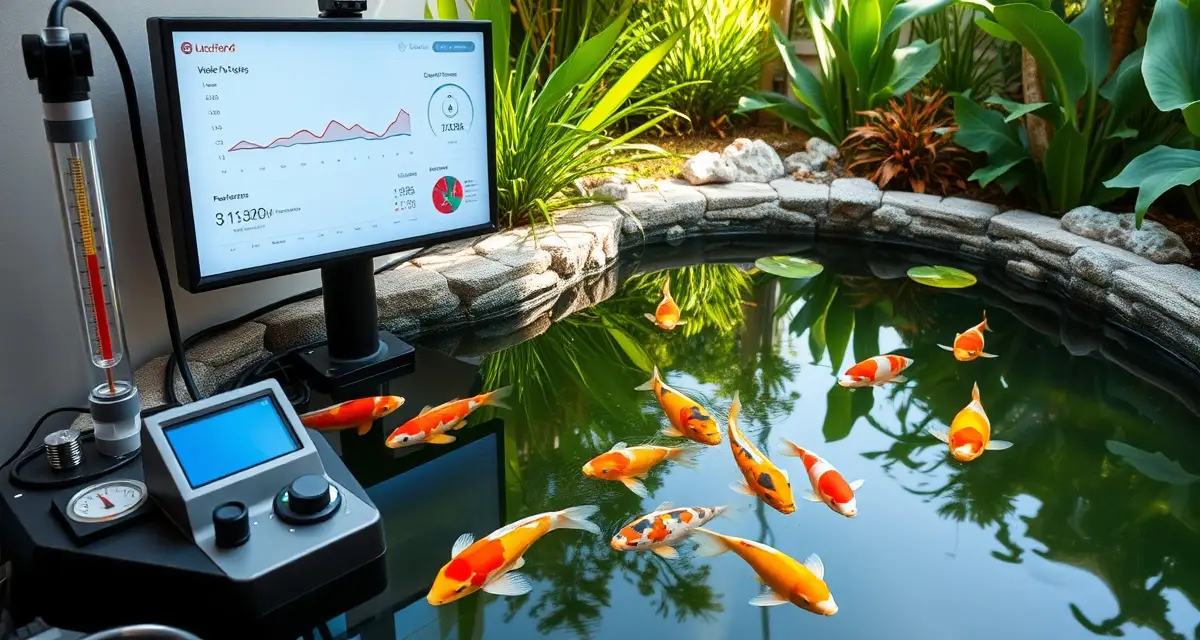
Koi Dealer Software for Georgia: Southeast Compliance and Health Tracking
Georgia's humid subtropical climate creates optimal conditions for Aeromonas bacterial outbreaks from late spring through early fall. Georgia dealers aren't dealing with a seasonal disease problem. They're managing persistent, warm-weather bacterial pressure for most of the year. Paper logs simply cannot flag rising risk conditions in real time the way KoiQuanta can.
KoiQuanta's Georgia-specific seasonal calendar shows disease pressure peaks for the subtropical climate throughout the year, so you always know which pathogens are in their active range and can adjust your observation and prevention protocols accordingly.
TL;DR
- New arrivals in Georgia should be koi quarantine programd for a minimum of 30 days with daily observations during the warm months.
- Tracking trends over time reveals issues before they become visible in fish behavior.
- KoiQuanta connects observations, water data, and treatment records in one searchable history.
- Early detection based on parameter trends reduces treatment costs and fish stress.
- Seasonal changes require adjusted monitoring schedules; automated reminders help maintain consistency.
Disease Management in Georgia's Climate
Georgia's combination of high temperatures and high humidity creates some of the most challenging bacterial disease conditions in the Southeast. Warm water temperatures support rapid Aeromonas bacterial reproduction. High humidity means pond water stays warm into the evening, and nighttime temperature relief is limited compared to drier climates.
From May through September, Georgia koi ponds are in a sustained bacterial high-risk zone. Aeromonas thrives in this range. Parasitic activity, including Costia, Trichodina, and flukes, is also elevated. Georgia dealers who have experienced summer disease outbreaks know how quickly problems can escalate when conditions are optimal for pathogens.
KoiQuanta's disease risk dashboard scores current pathogen risk based on your logged water temperature and quality data. When conditions are elevated for bacterial outbreak, you see it in the dashboard before you see it in your fish.
Quarantine Management in Georgia's Long Summer
Georgia's long warm season, running roughly from April through October, gives dealers an extended window for quarantine operations compared to cold-climate states. But the same extended warmth that supports fish recovery also supports pathogen activity throughout quarantine.
KoiQuanta's quarantine module includes Georgia-calibrated observation checklists that maintain active bacterial and parasite monitoring throughout the state's long warm season. New arrivals in Georgia should be quarantined for a minimum of 30 days with daily observations during the warm months.
For complete compliance documentation guidance for Georgia dealers, the koi dealer import compliance guide covers federal USDA requirements and Georgia DNR regulations for koi importation and dealer operations.
Summer Heat Management
Georgia summers regularly push pond temperatures above 28 degrees Celsius, the threshold where heat stress begins. Georgia dealers need to plan for summer heat management as a standard operating practice, not just an emergency response.
Shade installations for dealer holding facilities, maximum aeration during peak summer temperatures, and daily water quality monitoring in summer are the baseline management requirements. KoiQuanta's summer heat stress management guide covers the full range of hot-climate management strategies.
Georgia Regulatory Compliance
Georgia requires koi dealers to maintain health records and comply with Georgia DNR regulations on non-native aquatic species. Federal USDA APHIS requirements apply to all koi importation. KoiQuanta generates timestamped, audit-ready records for all management activities, including quarantine logs, water quality tests, and treatment records.
Frequently Asked Questions
What koi diseases peak in Georgia summers?
Aeromonas bacterial infections peak from late spring through early fall in Georgia's warm, humid conditions. Parasitic diseases including Costia, Trichodina, and gill flukes also remain highly active throughout summer. KoiQuanta's Georgia seasonal calendar shows disease pressure levels by month based on typical Georgia water temperatures.
What compliance records do Georgia koi dealers need?
Georgia koi dealers need to maintain quarantine records, health certifications for imported fish, and treatment logs. Federal USDA APHIS requirements apply to all imported koi. KoiQuanta's dealer compliance module generates documentation that meets both state and federal requirements from your daily management data.
How do I keep koi healthy in Georgia's hot summers?
Install shade over at least 40% of holding pond surface to reduce solar heating. Run maximum aeration throughout summer. Test water quality daily rather than weekly. Monitor fish closely during peak heat weeks. Log all observations in KoiQuanta so you can detect early disease signs before they become outbreaks. KoiQuanta's heat stress alert triggers when temperature and dissolved oxygen readings reach the combined risk threshold for heat stress.
What is Koi Dealer Software for Georgia: Southeast Compliance and Health Tracking?
KoiQuanta is a specialized software platform designed for koi dealers operating in Georgia and the Southeast. It combines health tracking, water parameter monitoring, quarantine logging, and compliance documentation into one system. Built with Georgia's subtropical climate in mind, it includes a seasonal disease pressure calendar that flags high-risk periods for pathogens like Aeromonas bacteria, helping dealers stay ahead of outbreaks rather than reacting after fish are already stressed or sick.
How much does Koi Dealer Software for Georgia: Southeast Compliance and Health Tracking cost?
KoiQuanta offers tiered pricing based on operation size and feature needs. Exact pricing is available on the KoiQuanta website, but the platform is designed to deliver measurable ROI through reduced treatment costs, fewer fish losses, and streamlined compliance documentation. For Georgia dealers managing year-round bacterial pressure, the cost of the software is typically offset by savings from early disease detection alone.
How does Koi Dealer Software for Georgia: Southeast Compliance and Health Tracking work?
KoiQuanta works by centralizing all dealer records into a single searchable system. You log water parameters, daily fish observations, new arrivals, quarantine periods, and treatment records. The platform analyzes trends over time and sends automated reminders when seasonal risks rise or monitoring schedules shift. Georgia's subtropical conditions are built into the seasonal calendar, so the software actively alerts you when pathogen activity is likely to peak.
What are the benefits of Koi Dealer Software for Georgia: Southeast Compliance and Health Tracking?
KoiQuanta reduces fish losses through early detection of parameter trends before disease becomes visible in fish behavior. It ensures new arrivals complete proper 30-day quarantine with logged daily observations, keeps treatment records organized for compliance audits, and adjusts monitoring schedules automatically as seasons change. For Georgia dealers facing persistent warm-weather bacterial pressure, these benefits translate directly into healthier inventory and lower operating costs.
Who needs Koi Dealer Software for Georgia: Southeast Compliance and Health Tracking?
Georgia koi dealers of any size benefit from KoiQuanta, particularly those managing large inventories during the long warm season when Aeromonas and other bacterial pathogens are most active. It's especially valuable for dealers who sell to hobbyists or pond installers, where fish health documentation builds buyer trust. Any operation relying on paper logs or spreadsheets to track health and compliance is a strong candidate for the platform.
How long does Koi Dealer Software for Georgia: Southeast Compliance and Health Tracking take?
Setup typically takes a few hours to import existing records and configure your operation's details. Day-to-day use is designed to be fast — logging observations, water tests, and treatments takes minutes per session. The seasonal calendar and automated reminders run in the background continuously. Most dealers report that KoiQuanta saves time overall compared to manual record-keeping, especially during high-pressure summer months when daily monitoring is critical.
What should I look for when choosing Koi Dealer Software for Georgia: Southeast Compliance and Health Tracking?
Look for software that is specifically built for koi operations rather than adapted from generic livestock or aquaculture tools. Key features include integrated water parameter trending, quarantine tracking with daily observation logs, disease pressure calendars calibrated to your regional climate, treatment record history, and automated monitoring reminders. For Georgia dealers, Southeast-specific pathogen timing data is a meaningful differentiator that generic platforms will not provide.
Is Koi Dealer Software for Georgia: Southeast Compliance and Health Tracking worth it?
For Georgia koi dealers, KoiQuanta is worth it. Georgia's year-round warm and humid conditions mean bacterial disease pressure never fully disappears, making proactive monitoring a business necessity rather than a luxury. The cost of a single significant disease outbreak — in lost fish, emergency treatments, and damaged reputation — typically exceeds a full year of software costs. KoiQuanta pays for itself by turning reactive crisis management into consistent, data-driven prevention.
Related Articles
Sources
- Associated Koi Clubs of America (AKCA)
- Koi Organisation International (KOI)
- University of Florida IFAS Extension Aquaculture Program
- Fish Vet Group
- Water Quality Association