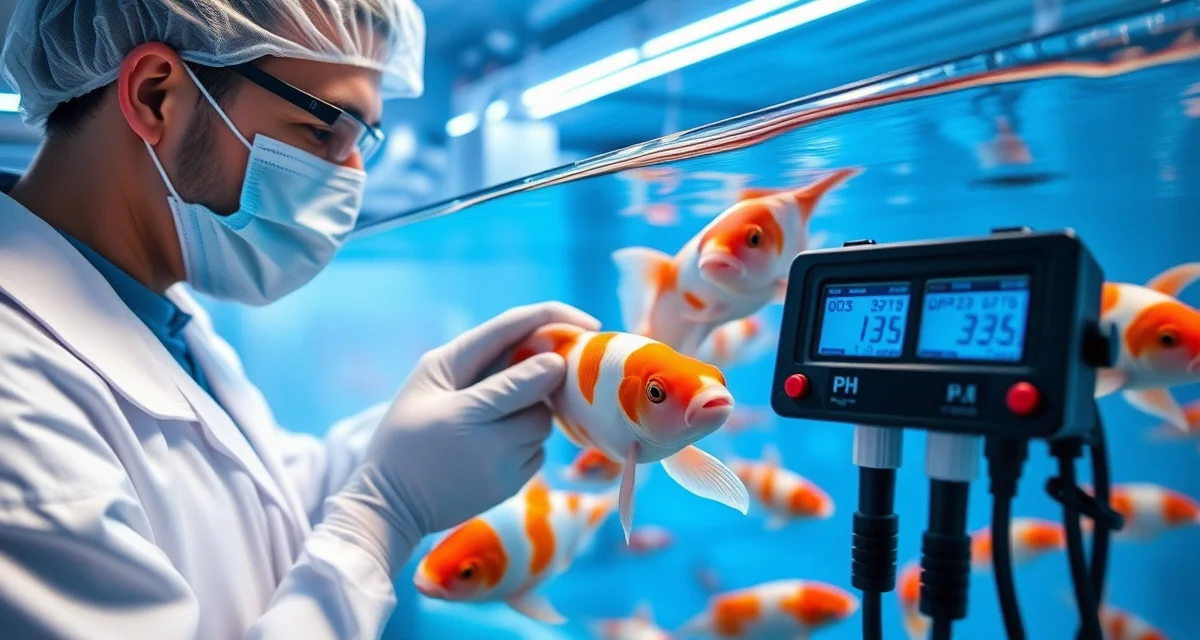
Koi Dealer Software for Hawaii: Tropical Koi Health and Compliance Management
Hawaii prohibits koi importation without HDOA Division of Aquatic Resources permits and mandatory koi quarantine program inspection. Hawaii has the strictest aquatic species import rules in the US, and for good reason. Hawaii's island ecosystems are uniquely vulnerable to invasive species. HDOA takes the introduction of non-native aquatic species seriously, and koi dealers who aren't current on every documentation requirement face permit complications that can halt operations.
KoiQuanta's HDOA compliance module covers Hawaii's biosecurity permit requirements for koi import and the mandatory inspection protocols. If you're operating as a koi dealer in Hawaii, compliance is the first and most important management priority.
TL;DR
- Year-round water temperatures above 20 degrees Celsius support continuous bacterial and parasitic disease activity.
- Tracking trends over time reveals issues before they become visible in fish behavior.
- KoiQuanta connects observations, water data, and treatment records in one searchable history.
- Early detection based on parameter trends reduces treatment costs and fish stress.
- Seasonal changes require adjusted monitoring schedules; automated reminders help maintain consistency.
Hawaii HDOA Compliance Requirements
The Hawaii Department of Agriculture (HDOA) Division of Aquatic Resources requires koi dealers to:
- Obtain HDOA Division of Aquatic Resources permits before any koi importation
- Submit fish to mandatory quarantine inspection upon arrival
- Maintain health certifications from the state of origin
- Keep complete quarantine and health records available for HDOA inspection
These requirements are more stringent than most mainland US states. The mandatory inspection protocol means that documentation gaps discovered during inspection can result in fish being held, returned, or destroyed. Having complete, organized compliance records before fish arrive is essential, not optional.
KoiQuanta's HDOA compliance module pre-configures all required documentation fields for Hawaii dealer operations. Every import arrival, quarantine inspection record, health certification, and treatment log is captured automatically from daily management activities. When HDOA inspectors arrive, your records are organized and accessible.
The quarantine documentation guide for dealers covers documentation format and content requirements that satisfy HDOA inspection standards.
Tropical Disease Management in Hawaii
Hawaii's tropical climate creates koi disease management challenges that differ from every mainland US state. Year-round warm water temperatures, high humidity, and the exotic pathogen risk from Pacific Region import sources create a disease management environment unlike anything in the continental US.
Hawaii koi ponds don't experience meaningful winter parasite suppression. Year-round water temperatures above 20 degrees Celsius support continuous bacterial and parasitic disease activity. The same active disease monitoring that Louisiana dealers maintain year-round applies to Hawaii, with the additional risk profile of Pacific-sourced koi that may carry pathogens not common on the US mainland.
KoiQuanta's tropical climate configuration maintains year-round active disease monitoring for Hawaii operations. No seasonal reduction in monitoring intensity occurs. Disease risk scoring runs continuously based on Hawaii's warm year-round water temperatures.
Biosecurity as a Management Philosophy
Hawaii's strict biosecurity framework reflects a genuine ecological reality: Hawaii's freshwater ecosystems are fragile and vulnerable to introduced species. Koi that escape into Hawaiian waterways can cause serious ecosystem damage. HDOA's requirements exist to prevent this.
Responsible Hawaii koi dealers integrate biosecurity into every management decision. Containment verification, escape prevention measures, and secure disposal of deceased fish are all part of compliance. KoiQuanta's Hawaii compliance module includes containment verification prompts in the daily management workflow.
The koi dealer import compliance guide covers the federal USDA requirements that apply alongside Hawaii HDOA state requirements.
Frequently Asked Questions
Can I import koi to Hawaii?
Yes, but only with HDOA Division of Aquatic Resources permits and submission to mandatory quarantine inspection. The permitting process must be completed before fish arrive. Fish imported without proper permits face seizure or return at the importer's expense. KoiQuanta's HDOA compliance module helps dealers maintain the documentation needed for permit compliance and renewal.
What HDOA permits do Hawaii koi dealers need?
Hawaii koi dealers need HDOA Division of Aquatic Resources permits for commercial aquatic species operations and importation. The specific permit requirements include documentation of biosecurity measures, containment system specifications, and ongoing health record maintenance. Contact HDOA directly for current permit application requirements. KoiQuanta's compliance module is designed to maintain the ongoing documentation requirements that Hawaii permits impose.
How does Hawaii manage koi biosecurity inspections?
HDOA inspects imported koi at point of entry and may conduct facility inspections for commercial koi operations. Inspections focus on health certification completeness, quarantine record accuracy, and containment system adequacy. KoiQuanta maintains all inspection-required documentation in organized, cloud-accessible format. Records can be exported immediately upon inspector request rather than requiring assembly of paper files.
What is Koi Dealer Software for Hawaii: Tropical Koi Health and Compliance Management?
Koi dealer software for Hawaii is a specialized platform designed to help koi dealers operating in Hawaii manage HDOA Division of Aquatic Resources import permits, mandatory quarantine inspection requirements, and ongoing health monitoring. Hawaii enforces the strictest aquatic species import regulations in the US due to its vulnerable island ecosystems. KoiQuanta's platform combines a dedicated HDOA compliance module with water quality tracking, treatment records, and fish health history to keep dealers operationally compliant and biosecure year-round.
How much does Koi Dealer Software for Hawaii: Tropical Koi Health and Compliance Management cost?
KoiQuanta offers tiered subscription pricing based on inventory size and feature access. Pricing details are available directly through KoiQuanta's website, where dealers can compare plans suited to small specialty operations versus larger import-focused businesses. Given the cost of permit complications, halted shipments, or disease outbreaks in Hawaii's year-round warm water environment, most dealers find that compliance and health management software pays for itself quickly by preventing operational disruptions.
How does Koi Dealer Software for Hawaii: Tropical Koi Health and Compliance Management work?
KoiQuanta works by centralizing permit documentation, inspection records, quarantine timelines, and water parameter data into one searchable system. Dealers log water quality readings, treatment events, and fish observations continuously. The HDOA compliance module tracks biosecurity permit requirements and inspection deadlines, sending automated reminders before critical dates. Over time, the platform builds a trend-based health history that surfaces early warning signs before problems become visible in fish behavior or escalate into costly losses.
What are the benefits of Koi Dealer Software for Hawaii: Tropical Koi Health and Compliance Management?
Key benefits include simplified HDOA permit and inspection tracking, early disease detection through water parameter trend analysis, reduced treatment costs from proactive monitoring, and a consolidated health record that supports compliance audits. Hawaii's tropical water temperatures above 20°C keep bacterial and parasitic activity elevated year-round, making continuous monitoring essential. KoiQuanta replaces fragmented spreadsheets and paper logs with a unified system that connects observations, water data, and treatment history in one place.
Who needs Koi Dealer Software for Hawaii: Tropical Koi Health and Compliance Management?
Any licensed koi dealer importing or selling koi in Hawaii needs this type of software. Hawaii's biosecurity requirements are non-negotiable, and dealers who fall behind on documentation face permit complications that can halt operations entirely. It is equally valuable for dealers managing live inventory in Hawaii's warm water conditions, where disease pressure is constant. Operations of any size benefit, but those handling regular imports or maintaining large quarantine populations have the most to gain.
How long does Koi Dealer Software for Hawaii: Tropical Koi Health and Compliance Management take?
Initial setup typically takes a few hours to input existing inventory, configure water monitoring schedules, and connect permit documentation. Ongoing use is continuous since water parameters should be logged regularly and health observations recorded as they occur. HDOA compliance tracking runs in the background with automated reminders handling deadline management. The time investment is minimal compared to the hours spent manually tracking compliance across multiple systems or responding to a disease event caught too late.
What should I look for when choosing Koi Dealer Software for Hawaii: Tropical Koi Health and Compliance Management?
Look for a platform with Hawaii-specific HDOA compliance coverage, not just generic permit management. Essential features include quarantine timeline tracking, biosecurity permit documentation, automated inspection reminders, water quality trend analysis, and a full treatment history log. The ability to detect parameter trends before clinical signs appear is particularly important in Hawaii's year-round warm conditions. Also prioritize ease of daily data entry, since consistent logging is what makes trend-based early detection possible.
Is Koi Dealer Software for Hawaii: Tropical Koi Health and Compliance Management worth it?
For Hawaii koi dealers, yes. The combination of the strictest aquatic import regulations in the US and year-round elevated disease pressure from warm tropical water temperatures creates a compliance and health management burden that generic tools handle poorly. A single permit complication or missed inspection can halt an entire import operation. KoiQuanta's HDOA-specific module and continuous health monitoring directly address the two biggest operational risks Hawaii dealers face, making it a practical investment rather than an optional upgrade.
Related Articles
Sources
- Associated Koi Clubs of America (AKCA)
- Koi Organisation International (KOI)
- University of Florida IFAS Extension Aquaculture Program
- Fish Vet Group
- Water Quality Association