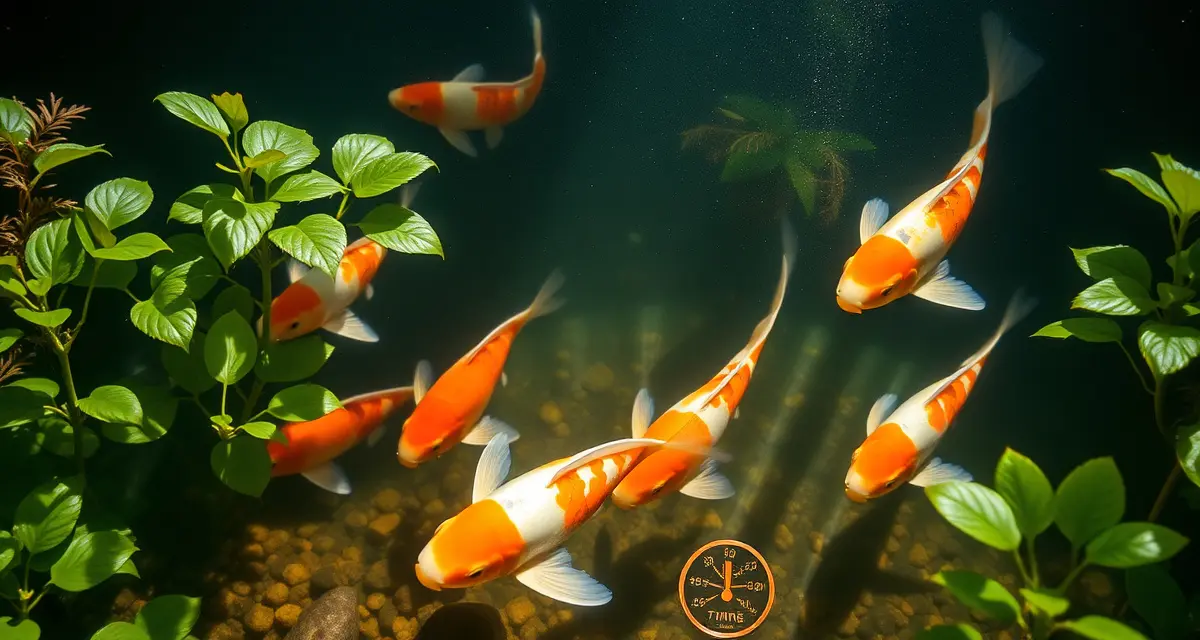
What Triggers Koi Spawning: Environmental Cues
A 3-5°C temperature rise over 48-72 hours in spring is the most reliable spawning trigger for koi. This pattern -- a rapid warming after a cool period -- mimics the environmental conditions of a natural spring in the koi's native range, signaling that conditions are favorable for reproduction. Understanding this trigger lets you anticipate spawning before it happens rather than discovering it afterward.
KoiQuanta's temperature tracking identifies the warming pattern that precedes spawning, flagging when conditions are approaching typical spawning trigger thresholds.
TL;DR
- A pond that's been at 15°C for weeks without temperature change is less likely to trigger spawning than one that rises from 13°C to 18°C over 2-3 days.
- The typical range is 18-23°C, with peak spawning activity between 20-22°C.
- This is why koi don't typically spawn in autumn even if water temperatures reach the 18-22°C range during a warm spell -- the shortening days provide an inhibitory signal that overrides the temperature stimulus.
- Some keepers fast fish for 24-48 hours when spawning appears imminent.
- Test daily for 3-5 days following spawning and be prepared for elevated levels.
- The trigger is the temperature rise itself (a 3-5°C increase over 48-72 hours is the most reliable trigger) rather than the absolute temperature alone.
- Monitor temperature trends alongside these behavioral signs: when temperatures are in the 18-22°C range and you see the chasing behavior intensifying, spawning within 24-48 hours is typical.
The Primary Spawning Triggers
Temperature Rise
Koi typically spawn when water temperature rises above approximately 18°C after a period at lower temperatures. The key is the rise itself, not just the absolute temperature. A pond that's been at 15°C for weeks without temperature change is less likely to trigger spawning than one that rises from 13°C to 18°C over 2-3 days.
What temperature do koi spawn at? The typical range is 18-23°C, with peak spawning activity between 20-22°C. This range represents the sweet spot between cold water that suppresses reproductive behavior and warm water where the physiological stress of spawning creates disease risk.
Spring timing: In most temperate climates, this temperature pattern occurs in late April through June. In warmer climates, spawning can occur earlier. In cooler climates, later -- sometimes into July in northern areas.
Multiple spawnings: Koi can spawn multiple times in a season if conditions reset. A cool period followed by another warm spell can trigger a second or third spawning in the same year.
Photoperiod (Day Length)
Lengthening days in spring contribute to the hormonal cascade that prepares koi for reproduction. The pituitary gland responds to increasing day length by producing hormones that stimulate gonadal development. By the time water temperatures reach the spawning range, fish reproductive systems have been preparing for weeks in response to photoperiod cues.
This is why koi don't typically spawn in autumn even if water temperatures reach the 18-22°C range during a warm spell -- the shortening days provide an inhibitory signal that overrides the temperature stimulus.
Rain Events
Heavy rainfall can trigger spawning independently of temperature changes, particularly during the spring spawning season when fish are already primed. The mechanism may involve:
- Sudden influx of cooler, oxygen-rich water that simulates natural stream flow
- Changes in water chemistry (pH, dissolved oxygen) associated with rainfall
- Physical stimulus of rain hitting the pond surface
Experienced koi keepers often predict spawning following heavy spring rain events, particularly if temperatures are already in the spawning range.
Barometric Pressure Changes
Some experienced breeders report that spawning is more likely following drops in barometric pressure (associated with incoming low pressure weather systems). The mechanism isn't well understood but the observation is widespread enough to be worth noting.
How to Know If Your Koi Are About to Spawn
Several days before spawning:
The behavior changes are visible before the actual spawning event if you're watching for them. Males begin following females closely, particularly in the mornings. In a mixed-sex pond, you'll see groups of fish with one or two larger females being closely pursued by multiple males.
Females becoming gravid (carrying eggs) develop a noticeably rounder body profile, particularly visible from above. A female that was torpedo-shaped in winter looks distinctly thick through the midsection as the spawning season approaches.
Morning activity: Koi spawning almost always happens in early morning, typically in the first few hours after dawn. If you see intense chasing activity early in the morning, spawning is either in progress or imminent.
Spawning substrate: Koi prefer to spawn over fibrous materials. In a natural pond, aquatic plant stems and roots serve this purpose. In an ornamental pond, koi will use any available substrate -- roots of marginal plants, floating hyacinth roots, spawning brushes, or the pond walls themselves.
Preparing for Spawning
If you anticipate spawning based on temperature trends and fish behavior, preparation reduces the aftermath problems.
Spawning brushes or mops: Providing dedicated spawning substrate (commercial spawning brushes, bundles of rope, or floating mats) gives fish an appropriate surface and makes egg collection easier if you want to hatch any.
Protecting less dominant fish: Spawning is physically intense. Smaller or less dominant fish can be injured by being driven into walls or cornered. Monitor fish condition during active spawning. Separating fish that look battered is sometimes necessary.
Feed restriction before spawning: Reducing feeding before an anticipated spawning reduces digestive loading during the physical exertion of spawning. Some keepers fast fish for 24-48 hours when spawning appears imminent.
Post-spawn water change: After spawning, a significant water change (30-50%) removes the large amounts of milt (sperm) and unfertilized eggs that decompose rapidly and create ammonia spikes. This is one of the most important post-spawn management steps.
Managing the Aftermath
Water quality monitoring: Ammonia can spike sharply after spawning from decomposing eggs and milt. Test daily for 3-5 days following spawning and be prepared for elevated levels.
Disease risk: Post-spawn fish are immunocompromised and often carry minor injuries from the spawning activity. Disease incidence -- particularly bacterial infections -- is markedly elevated in the weeks following spawning. Increase observation frequency. For the disease risk context of spawning season, the koi breeding season management guide and spawning stress management guide cover the health management side in detail.
Can you control when koi spawn? You can influence timing but not fully control it. Controlling temperature (through pond heating or shading) influences when the temperature trigger occurs. Some breeders use temperature manipulation to advance or delay spawning for specific purposes. Hormone injection (used in commercial fish breeding) can induce spawning outside the natural season but requires veterinary involvement and appropriate hormones.
Frequently Asked Questions
What temperature do koi spawn at?
Koi typically spawn when water temperature rises above approximately 18°C after a period at lower temperatures, with peak activity between 20-22°C. The trigger is the temperature rise itself (a 3-5°C increase over 48-72 hours is the most reliable trigger) rather than the absolute temperature alone. Lengthening days (photoperiod) simultaneously prime fish for reproduction, which is why autumn temperatures in the same range don't typically trigger spawning -- the inhibitory shortening day signal overrides the temperature stimulus.
How do I know if my koi are about to spawn?
The clearest pre-spawn signs are male fish beginning to closely follow and chase females, particularly in early mornings. Females look noticeably rounder from above as they become gravid (carrying eggs). Intense activity with groups of fish pursuing a single large female -- sometimes bumping the female against the pond wall or equipment -- indicates spawning is imminent or beginning. Spawning typically happens in the first hours after dawn. Monitor temperature trends alongside these behavioral signs: when temperatures are in the 18-22°C range and you see the chasing behavior intensifying, spawning within 24-48 hours is typical.
Can I control when koi spawn?
You can influence timing within limits. Controlling water temperature through pond heating (to advance spring spawning) or shading (to delay) affects when the temperature trigger is reached. Maintaining lower temperatures (below 16°C) delays spawning by preventing the temperature trigger from being met. Ensuring a controlled temperature rise by gradually warming a heated pond can time spawning more precisely. However, photoperiod cues are outside your control without artificial lighting, which means there's a seasonal window you're working within. Complete prevention requires maintaining temperatures below the spawning trigger threshold throughout the spring season.
What is What Triggers Koi Spawning: Environmental Cues?
Koi spawning environmental cues are the natural signals that prompt koi to reproduce. The most reliable trigger is a rapid water temperature rise of 3–5°C over 48–72 hours, mimicking spring warming in koi's native range. Other contributing factors include increasing day length, rainfall introducing fresh water, and the presence of spawning substrate. Understanding these cues allows pond keepers to anticipate spawning events, prepare water quality management in advance, and protect both fish and eggs rather than reacting after the fact.
How much does What Triggers Koi Spawning: Environmental Cues cost?
Understanding koi spawning cues costs nothing beyond basic monitoring equipment you likely already own. A reliable pond thermometer is the most essential tool, typically costing $10–$30. Digital temperature loggers that track trends over time run $20–$60. The real investment is attention: logging daily temperatures in spring so you can identify the warming patterns that precede spawning. KoiQuanta's temperature tracking feature automates this pattern recognition at no additional cost beyond your existing subscription.
How does What Triggers Koi Spawning: Environmental Cues work?
Koi spawning is triggered by the rate of temperature change rather than a specific absolute temperature. When water rises 3–5°C over 48–72 hours, koi interpret this as a reliable spring signal and begin spawning behavior. Day length reinforces or inhibits this: lengthening spring days amplify the temperature signal, while shortening autumn days suppress it even when temperatures reach the 18–22°C spawning range. Males begin chasing females as the trigger threshold approaches, typically with peak activity between 20–22°C.
What are the benefits of What Triggers Koi Spawning: Environmental Cues?
Recognizing koi spawning triggers lets you shift from reactive to proactive pond management. You can fast fish for 24–48 hours before spawning to reduce waste load, prepare spawning mats or brushes for egg collection, and set up aeration in advance. Post-spawn water quality typically degrades significantly, so anticipating the event gives you time to stock up on test kits and treatment supplies. Early awareness also reduces stress on females, who can be injured during aggressive spawning chases in unprepared ponds.
Who needs What Triggers Koi Spawning: Environmental Cues?
Any koi keeper with fish over two to three years old needs to understand spawning triggers. Koi reach sexual maturity around that age, and an unexpected spawning event can cause serious problems: ammonia spikes from egg and milt decomposition, injury to females from persistent male chasing, and fungused eggs fouling water quality. Keepers with mixed-gender ponds in temperate climates are especially affected each spring. Understanding the temperature trigger pattern is foundational knowledge for maintaining a healthy, well-managed koi pond.
How long does What Triggers Koi Spawning: Environmental Cues take?
The spawning trigger itself unfolds over 48–72 hours as water temperature rises 3–5°C. Actual spawning activity typically occurs in early morning and can last several hours, sometimes resuming over two to three consecutive days. Post-spawn water quality monitoring should continue for 3–5 days, as ammonia and nitrite can spike from decomposing eggs and biological waste. If you are separating eggs for hatching, embryos develop in 3–5 days depending on water temperature, with fry becoming free-swimming shortly after.
What should I look for when choosing What Triggers Koi Spawning: Environmental Cues?
Focus on rate of change rather than absolute temperature — a rise from 13°C to 18°C over two days is more significant than a stable 20°C pond. Watch for male fish actively pursuing females, flashing or rubbing behavior, and reduced feeding interest as early behavioral signals. Ensure you have spawning substrate available if you want to collect eggs, and confirm your filtration can handle the elevated bioload that follows. Monitoring photoperiod alongside temperature helps explain why late summer warm spells rarely trigger spawning despite similar temperatures.
Is What Triggers Koi Spawning: Environmental Cues worth it?
Yes — understanding koi spawning triggers is one of the highest-value areas of koi husbandry knowledge. Unanticipated spawning events are a leading cause of sudden water quality crashes, fish injury, and disease outbreaks in hobbyist ponds. The information is not complex: track spring temperatures daily, recognize a 3–5°C rise over 48–72 hours as your primary warning signal, and prepare accordingly. The cost of a single avoidable emergency veterinary treatment or fish loss far outweighs the modest effort of temperature monitoring through the spring transition.
Sources
- Associated Koi Clubs of America (AKCA)
- Koi Organisation International (KOI)
- University of Florida IFAS Extension Aquaculture Program
- Fish Vet Group
- Water Quality Association