Koi Spawning Season Stress and Disease Management
Spawning is the most stressful event in koi life outside of disease. Males pursue females relentlessly, sometimes for 24–36 hours. Females sustain scale loss, fin damage, and body abrasions. Cortisol levels across the whole pond spike. And then the aftermath: open wounds on females, exhausted males, compromised immune function throughout the pond, and elevated bacterial pathogen activity from all the organic material spawning produces.
If you don't actively manage spawning events, you'll lose fish. Not most of the time - but often enough that every serious keeper has a spawning season mortality story.
TL;DR
- Males pursue females relentlessly, sometimes for 24–36 hours.
- Males identify gravid females and begin pursuing them, sometimes in groups of 2–5 males chasing a single female.
- An exhausted female in a 4,000-gallon pond with three large males has nowhere to hide.
- Females in up to 70% of unmanaged natural spawning events in confined ponds sustain some level of injury.
- A heavy spawn on a warm day can cause a measurable DO decline within 12 hours.
- If the pond wasn't already running salt, add it gradually (no more than 0.1% per 24 hours) as a post-spawn protective measure.
- Do a 20–30% water change within 48 hours of heavy spawning to reduce organic load and maintain DO.
What Happens During Spawning
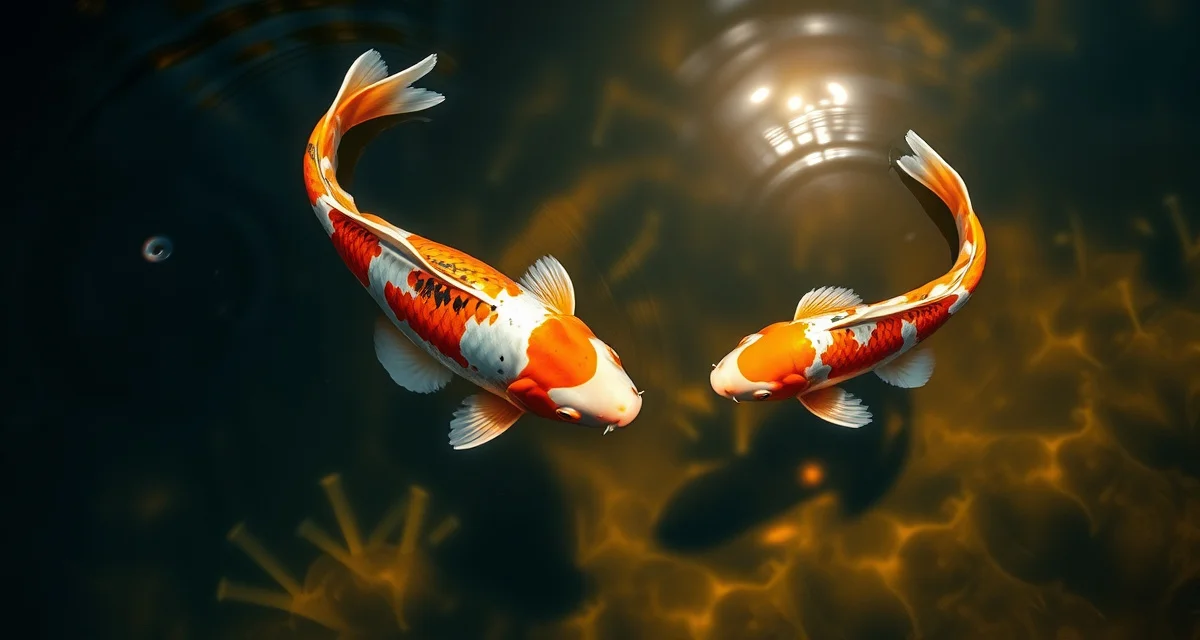
When water temperatures rise through 65–72°F in spring (typically April through June depending on latitude), koi natural instinct to spawn is triggered. Males identify gravid females and begin pursuing them, sometimes in groups of 2–5 males chasing a single female.
The physical risks to females:
- Scale loss from repeated flank-bumping
- Fin damage (particularly pectoral fins, which take repeated contact)
- Body abrasions against pond walls, plants, and substrate
- Occasional serious injury including hemorrhage from extreme chasing in confined spaces
- Physical exhaustion that compromises immune function
In natural settings, females have large areas to escape. In residential ponds - even large ones - escape is limited. An exhausted female in a 4,000-gallon pond with three large males has nowhere to hide.
Females in up to 70% of unmanaged natural spawning events in confined ponds sustain some level of injury. Open wounds are Aeromonas entry points.
Disease Risk During and After Spawning
Direct injury: Scale loss and skin abrasions from chasing are immediate disease entry points. In a pond where Aeromonas is present (which is every pond), open wounds on spawning-stressed fish with compromised immune function produce ulcers within days to weeks.
Systemic immune suppression: The cortisol stress response from multi-day chasing affects the whole pond's immune function - not just the females. Bacterial infection spikes across the whole population are common in the weeks following spawning.
Egg decomposition: Unfertilized eggs decompose in the pond, consuming dissolved oxygen and releasing organic compounds that fuel bacterial growth. A heavy spawn on a warm day can cause a measurable DO decline within 12 hours.
Spawn-triggered water quality issues: Large volumes of milt (sperm) release into the water increases organic load. In already-stressed summer conditions, this contributes to oxygen demand.
Managing Active Spawning
Option 1: Separation
The cleanest option: move gravid females to a separate pond or large quarantine tank before spawning begins. This requires recognizing the signs of impending spawning:
- Females become noticeably distended (full of eggs) as temperatures rise
- Males begin following females closely - a behavioral change that precedes full chasing
- Temperature reaches the 65°F trigger range
Move females before chasing begins, not in the middle of it - catching a chased female causes additional stress. Place her in a separate tank with one or two calm males for supervised breeding, or in a female-only tank to let the urge pass naturally.
Option 2: Spawning Brush/Mop Deployment
If full separation isn't possible, spawning brushes or dedicated spawning mops give females somewhere to move eggs. This doesn't prevent chasing but does allow for some redirection of behavior and makes egg collection possible if you want to raise fry.
Option 3: Direct Intervention
During active aggressive chasing that appears dangerous (female trapped against a wall, fish exhausted and unable to surface for air), physically intervening by netting the female to a recovery tank may be necessary. This is a judgment call - the netting stress is an additional event, but it may be less harmful than continued extreme pursuit.
Post-Spawn Health Management
Inspect all females within 24 hours of spawning completion. Look for:
- Scale loss areas (patches of missing scales)
- Open skin wounds or abrasions
- Hemorrhage (redness that doesn't resolve)
- Fin damage, particularly pectoral fins
- Any fin clamping or abnormal posture
Topical treatment for wounds: Any female with visible skin damage gets topical antiseptic treatment at the wound sites and goes into observation quarantine. Scale loss without open wounds can be monitored in the main pond with salt treatment. Open wounds with hemorrhage should be isolated for topical and potentially systemic antibiotic treatment.
Salt treatment for the whole pond: 0.3% salt in the display pond post-spawn reduces bacterial infection risk at wound sites and supports osmotic regulation in stressed fish. If the pond wasn't already running salt, add it gradually (no more than 0.1% per 24 hours) as a post-spawn protective measure.
Increase aeration and water changes post-spawn: Remove decomposing eggs and organic material. Do a 20–30% water change within 48 hours of heavy spawning to reduce organic load and maintain DO.
Monitor parameters closely for 2 weeks post-spawn: Ammonia and DO are the primary concerns. The organic load from spawning can temporarily increase ammonia production.
Log Spawning Events
In KoiQuanta, spawning events log in the display pond timeline and link to any subsequent health events that develop in the following 30 days. This creates the correlation between "spawning event on April 20" and "Aeromonas ulcers appeared on female KP-14 on May 2" - which is actionable information for planning future spawning management.
Handling Post-Spawn Disease
Aeromonas ulcers post-spawn: The most common disease outcome. Identical to non-spawning-related Aeromonas in presentation and treatment. The difference is that the fish is already immune-suppressed and physically stressed, so the treatment protocol should be started early rather than waiting for the ulcer to develop fully. Any visible wound on a post-spawn female warrants topical antiseptic treatment and close monitoring for bacterial infection.
Spring viremia of carp (SVC) risk: SVCV peaks at the same temperature range as spawning (12–18°C). If you're seeing multiple fish with signs of hemorrhage, abnormal swimming, or sudden deaths in the spawn season, consult an aquatic veterinarian - SVC is a notifiable disease.
Related Articles
- Koi Gill Disease Management: Symptoms, Causes, and Treatment Tracker
- Koi Dealer Software for Kentucky: Four-Season Koi Management and Compliance
- Koi Dealer Software for North Carolina: Disease Management and Compliance
- Aeromonas Bacterial Disease in Koi: Complete Management Protocol
FAQ
How do I protect female koi during spawning?
The most effective protection is physical separation - moving gravid females to a separate tank or pond before chasing begins. In a single-pond setup, spawning mops and brushes give females spawning substrate and slightly redirect male behavior. Monitoring temperature and identifying pre-spawn behavior (male following, female distension) allows you to intervene before extreme chasing begins. Post-spawn, inspect all females within 24 hours and treat any wounds immediately.
Should I separate koi during spawning season?
For valuable female koi or females in ponds with aggressive males, yes - separation is the most reliable protection against spawning injuries. Move the female to a spawning tank with one or two selected males if you want to breed, or to a female-only tank if you're not breeding. Natural spawning in a confined pond without monitoring has a high injury rate that's avoidable with simple management.
What diseases are common after koi spawning?
Aeromonas bacterial infection is the most common post-spawn disease - the combination of skin wounds from chasing and immune suppression from spawning stress creates ideal conditions for Aeromonas. Spring ulcer disease after spawning is predictable and manageable if caught early. Fungal infection (Saprolegnia) frequently follows the physical wounds of spawning. Spring viremia (SVCV) peaks at spawning temperatures and should be considered in severe pond-wide disease events in spring.
What is Koi Spawning Season Stress and Disease Management?
Koi spawning season stress and disease management refers to the practices koi keepers use to protect fish during and after spawning events. Spawning triggers intense physical stress — males chase females relentlessly for 24–36 hours, causing scale loss, fin damage, and open wounds. Combined with spiking cortisol levels and elevated bacterial activity from organic spawning material, the entire pond becomes vulnerable. Active management means monitoring water quality, treating injuries, and reducing pathogen load before problems escalate into serious disease or mortality.
How much does Koi Spawning Season Stress and Disease Management cost?
Koi spawning season stress and disease management isn't a product or service with a fixed price — it's a set of husbandry practices. Costs depend on what interventions your pond requires. Basic measures like salt treatment, water changes, and wound care are relatively inexpensive. More serious cases may require antibacterial treatments, topical wound care, or veterinary-grade medications. Budgeting $50–$200 per spawning season for supplies is reasonable for most hobbyist ponds, though larger collections or heavily infected ponds can cost significantly more.
How does Koi Spawning Season Stress and Disease Management work?
During spawning, males pursue females in groups of two to five, causing physical injuries including abrasions and fin damage. These open wounds become entry points for bacterial pathogens, which are already elevated from the organic material spawning produces. Effective management works by reducing that bacterial load — through water changes of 20–30% within 48 hours — while supporting the fish's immune response with gradual salt addition up to 0.1% per 24 hours and monitoring dissolved oxygen levels, which can drop measurably within 12 hours of a heavy spawn.
What are the benefits of Koi Spawning Season Stress and Disease Management?
The core benefit is preventing avoidable fish loss. Up to 70% of females in unmanaged confined pond spawning events sustain some level of injury, and exhausted, wounded fish with compromised immunity are highly susceptible to bacterial infection. Proactive management significantly reduces mortality risk, shortens recovery time, and keeps water quality stable after the organic surge spawning creates. It also protects males, whose immune function is similarly suppressed. Serious keepers consistently report that managed spawning seasons result in far fewer disease outbreaks than unmanaged ones.
Who needs Koi Spawning Season Stress and Disease Management?
Any koi keeper with a mixed-sex pond needs to understand spawning season stress and disease management — but it's especially critical for those with confined ponds where females have limited space to escape persistent males. Keepers with large males and smaller females, high stocking densities, or limited filtration capacity face the greatest risk. Even experienced hobbyists with established ponds aren't immune; most serious koi keepers have at least one spawning season mortality story, which is why active intervention rather than passive observation is the recommended standard.
Sources
- Associated Koi Clubs of America (AKCA)
- Koi Organisation International (KOI)
- University of Florida IFAS Extension Aquaculture Program
- Fish Vet Group
- Water Quality Association