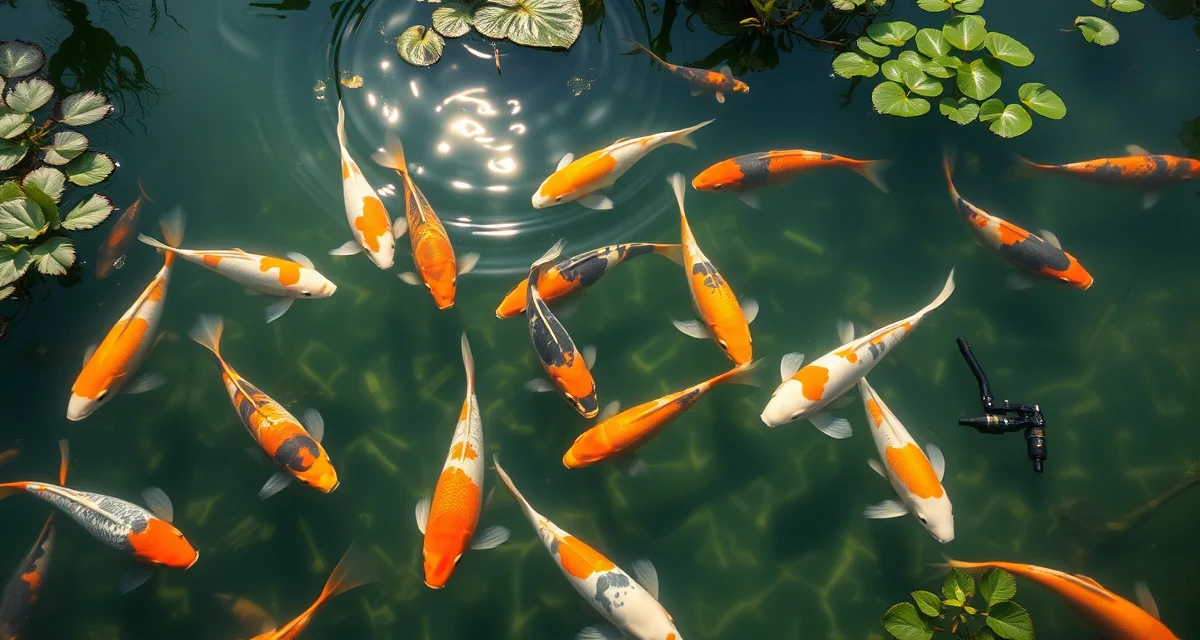
Disease Risks During Koi Spawning Season
Post-spawning bacterial infection is the most common cause of koi mortality in breeding operations. The spawn itself creates the conditions -- physical injury from aggressive spawning activity, immune suppression from reproductive stress, and the ammonia-and-organic-waste spike that follows a spawning event all converge in the same short window. Understanding this risk allows you to prepare before spawning rather than react after the damage is done.
KoiQuanta's spawning event log triggers elevated disease monitoring in the subsequent period, prompting daily observation and water parameter checks during the post-spawning vulnerability window.
TL;DR
- As noted in the spawning koi pond water quality tracker guide, this can elevate ammonia by 0.5-1.0 ppm within 24 hours and dramatically increase the organic load.
- Aeromonas bacteria are highly virulent in the 15-25°C range.
- Spring viremia of carp is active at 10-17°C.
- Look for small reddened areas on the flanks and dorsal surface 2-7 days after spawning -- these are early ulcers, and they grow rapidly if untreated.
- The organic load from spawning peaks in the first 24-48 hours.
- Do a 15-20% water change if ammonia is detectable.
- Immune function gradually recovers but remains below pre-spawning levels for 7-14 days.
Why Spawning Creates Disease Risk
Physical injury: Koi spawning is vigorous and often aggressive. Males chase females relentlessly, sometimes ramming them repeatedly against pond walls or filtration inlets. The resulting abrasions, scale loss, and bruising create open entry points for bacterial infection. A female that goes into spawning in good health can emerge with dozens of minor skin wounds that each represent a potential infection site.
Immune suppression from reproductive stress: The physiological demands of spawning -- egg production in females, sustained activity in males -- suppress immune function. Cortisol levels are elevated, energy reserves are depleted, and the immune response is reduced for days after spawning ends. This is the window when Aeromonas bacteria that are normally held in check by a healthy immune system establish infections.
Water quality crash: Spawning releases large volumes of milt (sperm), egg material, and organic debris into the pond water. As noted in the spawning water quality guide, this can elevate ammonia by 0.5-1.0 ppm within 24 hours and dramatically increase the organic load. The stressed, injured fish are now also living in degraded water -- both stressors simultaneously.
Spawning temperature overlap with disease windows: Spring spawning in most climates occurs at 16-22°C -- exactly the temperature range where many koi pathogens are most active. KHV is active above 18°C. Aeromonas bacteria are highly virulent in the 15-25°C range. Spring viremia of carp is active at 10-17°C. Spawning season timing coincides with peak pathogen activity.
What Diseases Are Most Common During Koi Spawning?
Aeromonas ulcer disease: The most common and serious spawning-associated disease. Bacteria enter through spawning abrasions and physical injuries. Look for small reddened areas on the flanks and dorsal surface 2-7 days after spawning -- these are early ulcers, and they grow rapidly if untreated. Early treatment is dramatically more effective than treating established deep ulcers.
KHV (Koi Herpesvirus): If present in the pond or introduced through new fish, KHV outbreaks often accelerate during spawning because:
- Temperature is in the active range
- Crowded spawning behavior creates a higher fish-to-fish contact
- Immune suppression reduces the fish's capacity to resist viral replication
Bacterial septicemia: Generalized bacterial bloodstream infection secondary to spawning injuries. Presents as reddening throughout the fins and skin, rather than localized ulcers.
Fungal infection (Saprolegnia): Spawning abrasions and egg masses are both prime targets for Saprolegnia. The fungal infection looks like cotton-like growth on wounds or around the vent area in females.
Trichodina and fluke flares: The stress of spawning suppresses immune response enough to allow parasite populations to expand on already-compromised fish.
How Do I Prevent Injury During Koi Spawning?
Complete prevention of spawning injuries is nearly impossible if you're keeping males and females together -- the drive to spawn is one of the most powerful instincts koi have. But you can reduce injury severity:
Remove sharp and abrasive surfaces: Check the pond for sharp edges on fittings, rough filter inlets, and any hardware that fish are likely to be chased into. Smooth these areas before spawning season.
Provide protection for females: Dense spawning media (brushes, ropes) gives females places to shelter briefly from persistent male pursuit. Plants with dense surface coverage serve the same function.
Separate very persistent males: If one male is causing extensive injury to females -- particularly if it's leading to large wounds rather than the minor abrasions expected from normal spawning -- remove that male temporarily.
Increase aeration: The additional organic load from spawning, combined with the elevated activity of spawning fish, increases oxygen demand. Run maximum aeration during and immediately after spawning.
Should I Separate Spawning Koi?
It depends on your goals:
For hobbyists who don't want to breed: Many experienced keepers separate males from females in the weeks around expected spawning to avoid the injury and stress of unwanted spawning events. This requires a separate holding system but prevents the post-spawning disease risk.
For breeders: Spawning in a dedicated spawning pond with post-spawning separation of males and females allows the breeding to occur while immediately removing the continued male pursuit stress from females. After spawning is complete, removing males from the pond promptly -- within a few hours -- dramatically reduces female injury.
For mixed-sex hobby ponds: Accept that some spawning will occur, manage the post-spawning disease risk with elevated monitoring and prophylactic salt, and address any injury signs quickly.
For the spawning management framework and stress reduction strategies, see the koi spawning stress management guide. For post-spawning bacterial infection treatment, the koi bacterial infection treatment guide covers the treatment protocol.
Post-Spawning Management Protocol
The first 7-10 days after spawning:
Day 1-2: Water quality check. Test ammonia and nitrite. The organic load from spawning peaks in the first 24-48 hours. Do a 15-20% water change if ammonia is detectable.
Day 1-5: Increase observation. Check all fish daily for signs of spawning injuries: scale damage, reddened areas, any areas of skin abrasion. Document what you find.
Day 2-5: If significant injury is visible on multiple fish, consider prophylactic salt (0.3%) to reduce osmotic stress and provide mild antibacterial support.
Day 5-7: Watch for early ulcer formation at injury sites. Early ulcers (raised scales, small red areas, no open wound yet) respond very well to prompt antibiotic treatment. Established ulcers require longer, more aggressive treatment.
Day 7-14: Continue elevated monitoring through the full vulnerability window. Immune function gradually recovers but remains below pre-spawning levels for 7-14 days.
Frequently Asked Questions
What diseases are most common during koi spawning?
Aeromonas ulcer disease is the most common and lethal spawning-associated disease -- bacteria enter through spawning abrasions and injuries, causing ulcers that appear 2-7 days after spawning. KHV (if present) frequently accelerates during spawning due to immune suppression and temperature alignment. Bacterial septicemia and fungal infection (Saprolegnia) on wounds and egg masses are also common. Trichodina and fluke loads can increase on already-compromised spawning fish.
How do I prevent injury during koi spawning?
Remove all sharp and abrasive surfaces from the pond before spawning season. Provide dense spawning media (brushes, ropes) that gives females brief shelter from persistent males. Add supplemental aeration for the elevated oxygen demand during spawning activity. For breeders, plan to remove males from the spawning pond within a few hours of spawning completion to stop injury-causing male pursuit. In hobby ponds, separate very persistent or injurious males during peak spawning activity if injuries are becoming severe.
Should I separate spawning koi?
Separating males from females during spawning reduces injury significantly and is worth considering for hobbyists who don't want breeding. For breeders, spawning in a dedicated pond with planned male removal after spawning is the most injury-controlled approach. For mixed-sex hobby ponds, managing the post-spawning disease risk through elevated monitoring, prompt water quality correction, and early treatment of injuries is more practical than attempting complete separation. The choice depends on your goals and facility setup.
What is Disease Risks During Koi Spawning Season?
Disease risks during koi spawning season refers to the elevated vulnerability koi face in the days immediately following a spawning event. Physical injuries from aggressive spawning behavior, a temporary suppression of immune function, and a rapid spike in ammonia and organic waste all occur simultaneously. This convergence creates a narrow but dangerous window — typically 7–14 days — during which bacterial infections like Aeromonas and viral diseases like Spring Viremia of Carp (SVC) can rapidly take hold and cause serious mortality.
How much does Disease Risks During Koi Spawning Season cost?
There is no fixed cost for managing disease risks during koi spawning season, but the financial stakes are high if problems go untreated. Preventive costs — water treatments, salt, and monitoring supplies — are modest, typically $20–$80 per spawning event. Reactive costs for treating established ulcer disease or bacterial infection can run into hundreds of dollars per fish, and losses in a breeding operation can be significant. Early intervention through daily observation and water testing is by far the most cost-effective approach.
How does Disease Risks During Koi Spawning Season work?
During spawning, koi experience physical abrasion from males chasing females, which compromises the skin and mucus layer that acts as the first barrier against pathogens. Simultaneously, reproductive stress suppresses immune function for 7–14 days post-spawn, and decomposing eggs and organic waste cause ammonia to spike 0.5–1.0 ppm within 24 hours. This weakens water quality and promotes bacterial proliferation. Aeromonas bacteria thrive at 15–25°C — exactly the spring temperatures when spawning occurs — making infection rapid and aggressive.
What are the benefits of Disease Risks During Koi Spawning Season?
Understanding and actively managing disease risks during koi spawning season significantly reduces mortality in breeding operations. Early detection of ulcers — which appear as small reddened areas on flanks and dorsal surfaces 2–7 days post-spawn — allows treatment before lesions become systemic. Proactive water changes prevent ammonia-driven immune suppression. Elevated monitoring during the vulnerability window means infections are caught when they are still superficial and treatable, protecting the value of your breeding stock and improving overall pond health outcomes.
Who needs Disease Risks During Koi Spawning Season?
Any koi keeper who allows their fish to spawn — whether intentionally in a breeding operation or naturally in a garden pond — needs to understand post-spawning disease risks. Hobbyists with mixed-sex ponds are particularly at risk because spawning may occur without close observation, leaving fish unmonitored during the critical window. Serious breeders managing multiple spawning events per season face compounding risk. If your pond reaches 15–25°C in spring and contains both male and female koi, this risk applies directly to you.
How long does Disease Risks During Koi Spawning Season take?
The acute post-spawning vulnerability window lasts approximately 7–14 days. Ammonia peaks in the first 24–48 hours as eggs and organic waste decompose, requiring immediate water quality intervention. Early ulcers typically appear 2–7 days after spawning. Immune function remains suppressed for the full 7–14 day period before gradually recovering to pre-spawning levels. During this window, daily observation and water parameter testing are essential. Spring Viremia of Carp is active at 10–17°C, so the risk period may extend further if water temperatures remain in that range.
What should I look for when choosing Disease Risks During Koi Spawning Season?
When assessing post-spawning disease risk, prioritize daily visual inspection of all fish, focusing on flanks and dorsal surfaces for early reddening or ulcers. Test ammonia every 24 hours in the first 48 hours post-spawn and perform a 15–20% water change if ammonia is detectable. Note water temperature — Aeromonas is most virulent at 15–25°C, and SVC is active at 10–17°C. Any fish showing lethargy, loss of equilibrium, or hemorrhaging should be isolated immediately. Using a structured spawning event log helps ensure no fish go unobserved during this window.
Is Disease Risks During Koi Spawning Season worth it?
Yes — understanding and actively managing disease risks during koi spawning season is absolutely worth the effort. Post-spawning bacterial infection is the leading cause of koi mortality in breeding operations, and the losses are largely preventable with consistent monitoring and timely water quality management. The alternative — reacting after ulcers are established or fish are visibly distressed — dramatically reduces treatment success rates and risks losing valuable stock. A structured daily observation routine during the 7–14 day post-spawning window is a low-effort, high-return practice for any serious koi keeper.
Sources
- Associated Koi Clubs of America (AKCA)
- Koi Organisation International (KOI)
- University of Florida IFAS Extension Aquaculture Program
- Fish Vet Group
- Water Quality Association