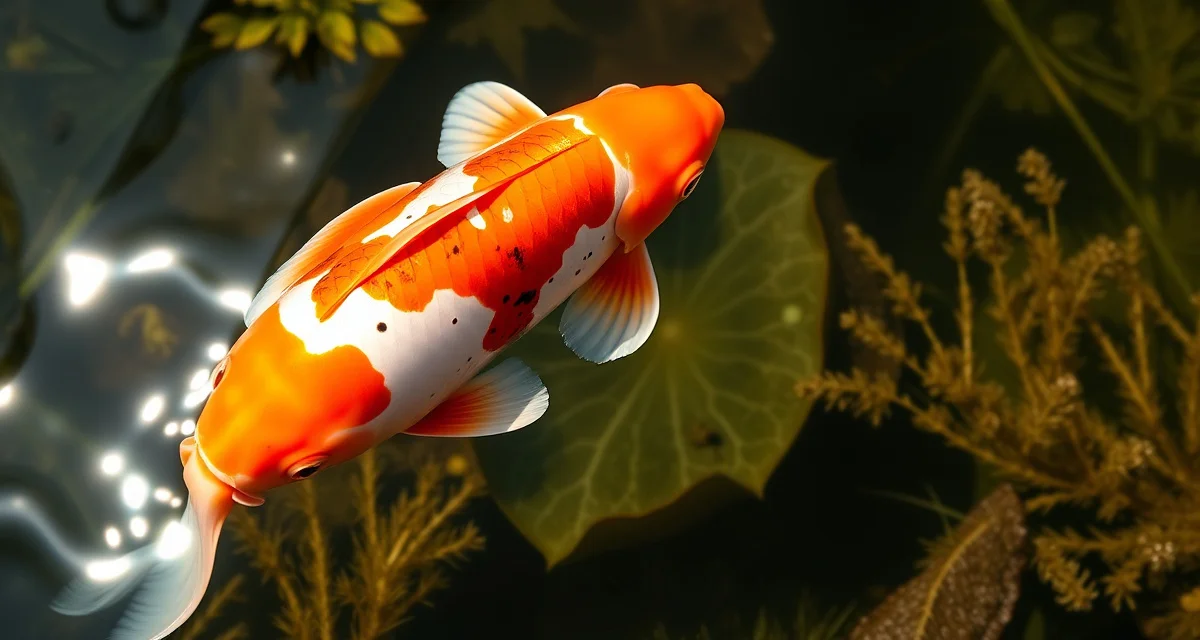
Koi Color Development: Diet, Environment, and Genetics
Diet accounts for up to 40% of koi color intensity -- spirulina and krill are the key drivers. That's a meaningful number, which is why color-enhancing foods have become a substantial part of the koi food market. But diet alone won't fix color on a fish with poor genetic foundation, and the best genetics in the world can fade in the wrong pond environment.
Getting the most out of your koi's color potential means managing all four factors: diet, water quality, UV exposure, and genetics. Each contributes differently and at different timescales.
TL;DR
- Tosai (first-year koi) from quality breeding programs often look unremarkable at 20-30cm but develop striking color at 50-70cm that cheaper fish simply can't achieve.
- Spirulina content of 5-10% in a color-enhancing food is the typical effective range.
- Color-enhancing foods are most effective during the warmer months (above 18°C) when koi metabolism is high and growth is active.
- Most koi ponds with a minimum depth of 1-1.2 meters and some surface plant or structural shade achieve a good balance.
- By midsummer, with quality color-enhancing food for 2-3 months, color should be at or near peak for the year.
- Restart color foods in spring when temperature stabilizes above 15°C consistently.
- Take standardized photos every 4-8 weeks during the growing season -- same lighting, same angle (ideally from directly above), and log them against your feeding and water quality records in KoiQuanta.
Genetics: The Foundation You Can't Change
Before you optimize anything else, accept what genetics will and won't allow. A poorly patterned kohaku from undistinguished parentage will improve with optimal care, but it won't become a show champion. The beni (red) pigment will only deepen as far as the genetics allow.
When buying koi specifically for color development, ask about bloodlines. Tosai (first-year koi) from quality breeding programs often look unremarkable at 20-30cm but develop striking color at 50-70cm that cheaper fish simply can't achieve. KoiQuanta's fish profiles support photo comparison across seasons to track color development over time -- this is genuinely useful for evaluating whether a young fish's color is on the trajectory you hoped for.
Diet: The Most Actionable Factor
Color-enhancing foods work by providing carotenoid pigments that koi can't synthesize themselves. Koi absorb these pigments from food and deposit them in chromatophore cells in the skin. The primary dietary color drivers are:
Spirulina: A blue-green algae rich in carotenoids including beta-carotene. Enhances red and orange coloration, particularly beni in kohaku. Spirulina content of 5-10% in a color-enhancing food is the typical effective range.
Krill and astaxanthin: Krill meal and synthetic astaxanthin are highly effective at deepening red coloration. Astaxanthin is the most bioavailable carotenoid for color enhancement and is used in premium foods specifically for this purpose.
Wheat germ: Less about color and more about condition -- well-conditioned fish with good nutritional status show better color saturation across the board.
Color-enhancing foods are most effective during the warmer months (above 18°C) when koi metabolism is high and growth is active. Running color foods during winter at reduced temperatures has minimal effect because pigment absorption and deposition happen primarily during active growth phases.
Water Quality and Color
Koi in poor water conditions fade. It's one of the most consistent observations in koi keeping. Fish in cloudy, nutrient-rich water with variable pH and low oxygen look duller than the same fish in clear, well-buffered, oxygen-rich water.
There are a few mechanisms here. Chronic osmotic stress from water quality issues causes color cells to contract slightly, reducing saturation. Stress hormones suppress color expression. And fish in poor conditions focus physiological resources on survival rather than color pigmentation.
For specific tracking of how your water quality is affecting fish condition over time, the koi feeding guide covers the correlation between nutrition, water quality, and overall fish condition in more detail.
UV Exposure and Melanin Production
Sunlight matters for koi color. UV exposure stimulates melanin production in the skin, which deepens the black (sumi) coloration on varieties like Showa, Sanke, and Shiro Utsuri. Ponds that receive good natural sunlight typically show better sumi development than heavily shaded ponds.
However, excessive UV exposure without adequate water depth or shade areas can bleach red pigmentation and cause sunburned areas on pale-skinned varieties. The ideal setup provides UV exposure with depth and shade options so fish can self-regulate. Most koi ponds with a minimum depth of 1-1.2 meters and some surface plant or structural shade achieve a good balance.
Indoor koi systems without UV supplementation often show flatter sumi and less vivid color overall compared to outdoor ponds. Dedicated UV fluorescent lighting at appropriate spectrum can partially compensate.
Seasonal Color Patterns
Koi color naturally changes with seasons, and understanding this prevents unnecessary intervention.
In spring, as water temperature rises and feeding resumes at full rate, koi often look their worst -- winter has faded colors and the new color food season hasn't had time to work yet. This is normal.
By midsummer, with quality color-enhancing food for 2-3 months, color should be at or near peak for the year. Photograph fish in mid-to-late summer when color is most developed.
In autumn, reducing color food and switching to a wheat germ-based diet for winter preparation doesn't cause immediate color loss, but winter months will bring gradual fading as pigment deposits aren't replenished.
Water Temperature and Color Food Timing
Stop color-enhancing foods when water temperature drops below 15°C and switch to wheat germ-based foods that are easier to digest at lower temperatures. Below 10°C, stop feeding entirely. Feeding color foods in cold water doesn't enhance color and can cause the digestive problems described in more detail in the main feeding guide.
Restart color foods in spring when temperature stabilizes above 15°C consistently.
Related Articles
- Showa Koi Care Guide: Sumi Development and Pattern Balance
- Why Is My Koi Flashing and Rubbing Against Rocks? Diagnosis Guide
FAQ
What is Koi Color Development: Diet, Environment, and Genetics?
Koi color development refers to the interplay of four factors — diet, water quality, UV exposure, and genetics — that together determine how vivid and stable a koi's colors become over its lifetime. Diet can account for up to 40% of color intensity, but genetics set the ceiling. Understanding how these factors interact helps keepers make smarter decisions at every stage, from selecting tosai to feeding schedules.
How much does Koi Color Development: Diet, Environment, and Genetics cost?
There is no direct cost for the concept itself, but optimizing koi color does involve ongoing expenses. Quality color-enhancing foods with 5–10% spirulina content cost more than staple diets. Premium tosai from reputable bloodlines carry higher purchase prices but deliver color results cheaper fish cannot match. Pond modifications for UV exposure or shading add further costs, though many are one-time investments.
How does Koi Color Development: Diet, Environment, and Genetics work?
Color development works across four levers simultaneously. Pigment-rich foods like spirulina and krill supply the raw carotenoids koi deposit in their skin. Clean, well-oxygenated water keeps metabolism efficient so pigments are processed correctly. Controlled UV exposure triggers natural pigment responses. Genetics determine the upper limit — the pathways for producing red, white, and black pigments are inherited and cannot be overridden by environment alone.
What are the benefits of Koi Color Development: Diet, Environment, and Genetics?
A structured approach to color development produces koi that reach their full genetic potential rather than fading into dull, washed-out fish. Benefits include more vivid, stable reds and whites, better pattern contrast, and fish that hold color year-round rather than peaking briefly. Tracking progress also helps keepers identify water quality issues early, since color degradation is often one of the first visible signs of environmental stress.
Who needs Koi Color Development: Diet, Environment, and Genetics?
Any keeper who wants to maximize the appearance of their pond fish benefits from understanding color development. It is especially relevant for those buying tosai from quality programs — fish that look unremarkable at 20–30cm but need informed management to develop striking color by 50–70cm. Competitive koi hobbyists and breeders tracking bloodline expression will find the genetics component particularly valuable.
How long does Koi Color Development: Diet, Environment, and Genetics take?
Meaningful color development plays out over years, not weeks. A seasonal cycle with quality color-enhancing food from spring (above 15°C) through midsummer typically brings koi to near-peak color within 2–3 months of active feeding. Full genetic expression, however, often does not emerge until a fish reaches 50–70cm, which may take two to four years depending on growth rate and pond conditions.
What should I look for when choosing Koi Color Development: Diet, Environment, and Genetics?
Focus first on genetics — buy from reputable breeders with documented bloodlines, even if the tosai look underwhelming. Then assess diet: look for color-enhancing foods with 5–10% spirulina in the ingredient list. For your pond, prioritize a minimum depth of 1–1.2 meters and a mix of open surface and partial shade. Finally, build a photo log every 4–8 weeks so you can objectively track progress rather than relying on memory.
Is Koi Color Development: Diet, Environment, and Genetics worth it?
Yes, for keepers who want to get the most from their fish. The investment in quality genetics, spirulina-rich food, and basic pond management delivers visible, measurable results that cheap fish and generic diets simply cannot replicate. The framework is not complicated — feed appropriately by season, maintain water quality, and start with good bloodlines. The payoff is koi that consistently develop and hold the color you paid for.
Sources
- Associated Koi Clubs of America (AKCA)
- Koi Organisation International (KOI)
- University of Florida IFAS Extension Aquaculture Program
- Fish Vet Group
- Water Quality Association