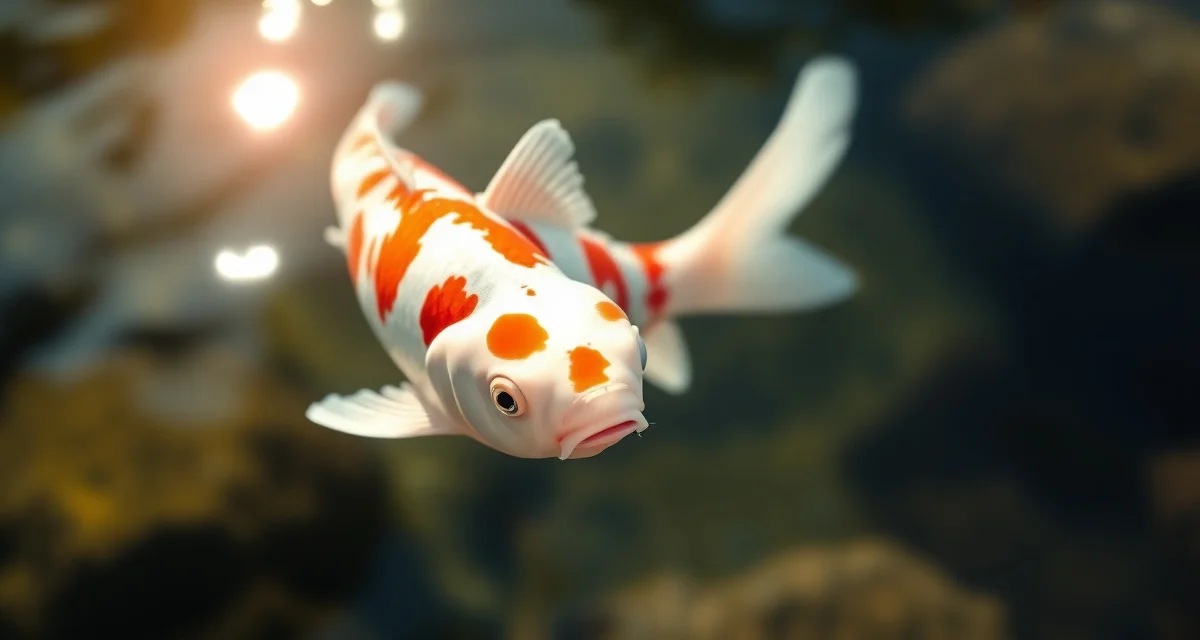
Kohaku Koi Care Guide: Hi Quality, Pattern Development, and Health Management
Kohaku are where serious koi keeping starts and ends. A two-color fish - red (hi) and white (shiro) on a white base - and yet the variety produces the most complex evaluation criteria and the most sought-after fish in the world. A flawless Kohaku from Sakai or Dainichi can sell for more than a new car. Understanding how to care for one properly is the point of this guide.
TL;DR
- Nisai (2-year-old) Kohaku have developed enough pattern stability that you're evaluating what the fish is likely to become.
- Avoid acid conditions (below 7.0) - they can cause hi to fade.
- Don't maintain elevated salt (0.3%+) long-term for display - it's a treatment dose, not a maintenance dose.
- Japanese breeders feed wheat germ-based formulas at lower temperatures and switch to higher-protein, higher-color feeds at warmer temperatures (above 65°F).
- A tosai Kohaku with exceptional body conformation and promising hi may be grown on for 2-3 years, with the pattern evaluated as it matures.
- The primary levers: koi pond water quality tracker (keep nitrate low, pH slightly alkaline, temperature in the 65-72°F range), high-quality color-enhancing diet with astaxanthin or krill content, and avoiding chronic stress.
- Dramatic, permanent hi improvement takes time - expect visible improvement over 6-12 months of optimized conditions.
Understanding Kohaku
What Makes a Quality Kohaku
The foundation of Kohaku evaluation is the hi pattern - the red markings. Japanese judges and serious collectors look for:
- Hi quality: Bright, consistent red with no fading, no light spots (window/kiwa issues), and a well-defined edge (kiwa)
- Pattern balance: Kohaku patterns traditionally flow in a step pattern (dan moyo) - two-step (nidan), three-step (sandan), four-step (yondan)
- White quality: Snowy white (yukinagashi) with no yellowing
- Body conformation: Thick, well-proportioned fusiform body, particularly important in females
- Skin quality: Clean, clear, no blemishes
A Kohaku with poor body conformation but excellent hi is still a good fish. A Kohaku with perfect conformation but dirty, uneven red rarely wins.
Tosai vs. Nisai Evaluation
Tosai Kohaku are evaluated largely for potential - the hi quality, initial pattern distribution, and skin type. Pattern can change significantly in the first year.
Nisai (2-year-old) Kohaku have developed enough pattern stability that you're evaluating what the fish is likely to become. Hi has usually reached close to its mature quality.
Older fish (sansai, yonsai) are evaluated on current quality with full pattern stability. These are the fish that win at grand level.
Water Quality for Kohaku
Temperature
Kohaku perform best and show the best color at 65-72°F (18-22°C). This is also the KHV observation temperature - conveniently, healthy quarantine temperature is also optimal color display temperature.
Color development:
- Below 55°F: metabolism slows, hi may appear washed out, fish may look duller overall
- 65-72°F: optimal color expression
- Above 78°F: some kohaku develop enhanced hi, but very high temperatures stress the fish
Spring temperature rise (55°F → 68°F over 4-6 weeks) is when you'll often see the most striking improvement in hi quality after winter.
Water Chemistry for Color
pH: 7.2-8.0 range. Slightly alkaline water is associated with better hi development. Avoid acid conditions (below 7.0) - they can cause hi to fade.
Hardness (GH/KH): Kohaku kept in very soft water often show less vivid color. Target KH 100-150 ppm minimum.
Nitrate: Keep nitrate below 40 ppm. Chronically high nitrate is associated with hi quality degradation over time - the red becomes less saturated.
Salt: Very low salt (0.1% maintenance) is sometimes used by Japanese dealers to enhance hi quality. Don't maintain elevated salt (0.3%+) long-term for display - it's a treatment dose, not a maintenance dose.
Feeding and Color Development
Diet for Hi Development
High-quality color-enhancing foods make a real difference in Kohaku hi quality. Carotenoid-based color enhancers (astaxanthin, spirulina, krill-based foods) have a measurable impact on hi intensity and saturation.
Japanese breeders feed wheat germ-based formulas at lower temperatures and switch to higher-protein, higher-color feeds at warmer temperatures (above 65°F).
Avoid cheap foods with excessive artificial colorants - they can cause uneven hi development and even damage hi quality long-term.
Feeding Schedule
- Below 55°F: Stop feeding or feed wheat germ-only, minimal amounts
- 55-65°F: Feed lightly, once daily, easily digestible low-protein food
- 65-75°F: Full feeding, twice daily, premium growth/color food
- Above 78°F: Reduce feeding, fish in high temps have less appetite and higher risk of digestive issues
Remove all uneaten food within 5-10 minutes. Kohaku are heavy eaters when conditions are right - don't let overfeeding drive ammonia spikes.
Health Management
Disease Risks Specific to Kohaku
Kohaku are hardy fish relative to some varieties, but there are specific concerns:
Hi quality and stress: Any significant stressor - disease, poor water quality, shipping - can cause hi to fade temporarily. This is reversible but alarming to owners who haven't seen it before. Don't confuse stress-related hi fading with genetic hi loss.
Bacterial ulcers: Light-colored skin (especially white areas) tends to show early bacterial lesion development very clearly. This is actually useful - you'll catch early infections on a white Kohaku faster than on a dark fish. Examine the white areas closely during each observation.
Spawning damage: During spring spawning behavior, male koi aggressively chase females. Kohaku females in a pond with larger males can sustain serious scale and fin damage. Observe closely during spawning season.
Quarantine for Kohaku
Standard quarantine protocol applies: 21-42 days depending on source, 65-68°F, prophylactic salt and praziquantel. No special Kohaku modifications.
One note: hi quality often looks somewhat depressed during quarantine. Fish that have been through shipping stress and are in a bare-bottom tank under artificial light may not show their best color. This is normal and not a health concern. Judge health by behavior and physical condition, not by hi quality during quarantine.
Pattern Development and Tategoi
Many serious Kohaku keepers buy fish as tategoi - fish held back for quality development. A tosai Kohaku with exceptional body conformation and promising hi may be grown on for 2-3 years, with the pattern evaluated as it matures.
KoiQuanta's photo documentation feature supports tategoi tracking - sequential photos with dated records allow you to monitor pattern development over seasons, which is valuable for both your own evaluation and for eventual sale documentation.
Related Articles
- Ghost Koi Care Tracking: Health Management for Wild-Cross Koi
- Koi Bacterial Infection Prevention: Water Quality and Stress Management
- The Complete Koi Pond Water Quality Guide: Parameters, Testing, and Management
FAQ
How do I improve my Kohaku's hi quality?
The primary levers: water quality (keep nitrate low, pH slightly alkaline, temperature in the 65-72°F range), high-quality color-enhancing diet with astaxanthin or krill content, and avoiding chronic stress. Hi quality will improve naturally with warm summer temperatures and proper feeding. Dramatic, permanent hi improvement takes time - expect visible improvement over 6-12 months of optimized conditions.
Why is my Kohaku's red fading?
Common causes: shipping or handling stress (temporary - resolves in 2-4 weeks in good conditions), poor water quality especially high nitrate, inadequate diet (especially low carotenoid content), winter temperature drop (temporary), or in rare cases, genetic hi stability issues. If hi fades after introduction to your pond, first check water parameters. If water is good, the fish may just need time to settle.
How often should I feed my Kohaku for best color?
At temperatures above 65°F: twice daily, premium color/growth food with carotenoid enhancement. At 55-65°F: once daily, reduced quantity, wheat germ formula. Below 55°F: stop feeding or offer wheat germ only in very small amounts. Feeding the right food consistently over a season (late spring through early fall) has a measurable, visible impact on hi quality.
What is Kohaku Koi Care Guide: Hi Quality, Pattern Development, and Health Management?
Kohaku Koi Care Guide: Hi Quality, Pattern Development, and Health Management is a comprehensive resource covering everything serious koi keepers need to know about Kohaku — the iconic red-and-white variety considered the foundation of koi keeping. It covers hi (red pattern) quality assessment, pattern stability across growth stages from tosai to nisai, water chemistry requirements, feeding strategies by season, and health management practices to maintain the fish's color and conformation over time.
How much does Kohaku Koi Care Guide: Hi Quality, Pattern Development, and Health Management cost?
This is a free informational guide published on KoiQuanta. There is no purchase required. The content covers water quality targets, feeding protocols, pattern evaluation, and health management practices drawn from Japanese breeding traditions and experienced koi keeping. All guidance is freely accessible to hobbyists, whether they keep backyard pond fish or invest in high-grade Kohaku from breeders like Sakai or Dainichi.
How does Kohaku Koi Care Guide: Hi Quality, Pattern Development, and Health Management work?
The guide works by breaking Kohaku care into its core variables: water quality (pH slightly alkaline, nitrates low, temperature 65–72°F), nutrition (wheat germ formulas in cooler months, higher-protein and color-enhancing feeds above 65°F), and pattern evaluation across life stages. It explains how each lever — diet, water chemistry, and stress reduction — interacts with hi development and long-term pattern stability so keepers can make informed decisions.
What are the benefits of Kohaku Koi Care Guide: Hi Quality, Pattern Development, and Health Management?
Following this guide helps keepers maintain strong hi coloration, support healthy pattern development, and avoid common mistakes like chronic salt overuse or acidic water conditions that cause fading. It also helps hobbyists evaluate fish more accurately by understanding what nisai pattern stability signals about a fish's long-term potential — reducing costly mistakes when purchasing or growing on young Kohaku.
Who needs Kohaku Koi Care Guide: Hi Quality, Pattern Development, and Health Management?
This guide is for koi keepers at any level who are serious about Kohaku — from hobbyists setting up their first quality pond to experienced collectors evaluating show-grade fish. It is especially useful for anyone who has purchased or is considering purchasing a high-grade Kohaku and wants to understand how water chemistry, feeding, and stress management directly affect the fish's hi quality and pattern over time.
Sources
- Associated Koi Clubs of America (AKCA)
- Koi Organisation International (KOI)
- University of Florida IFAS Extension Aquaculture Program
- Fish Vet Group
- Water Quality Association