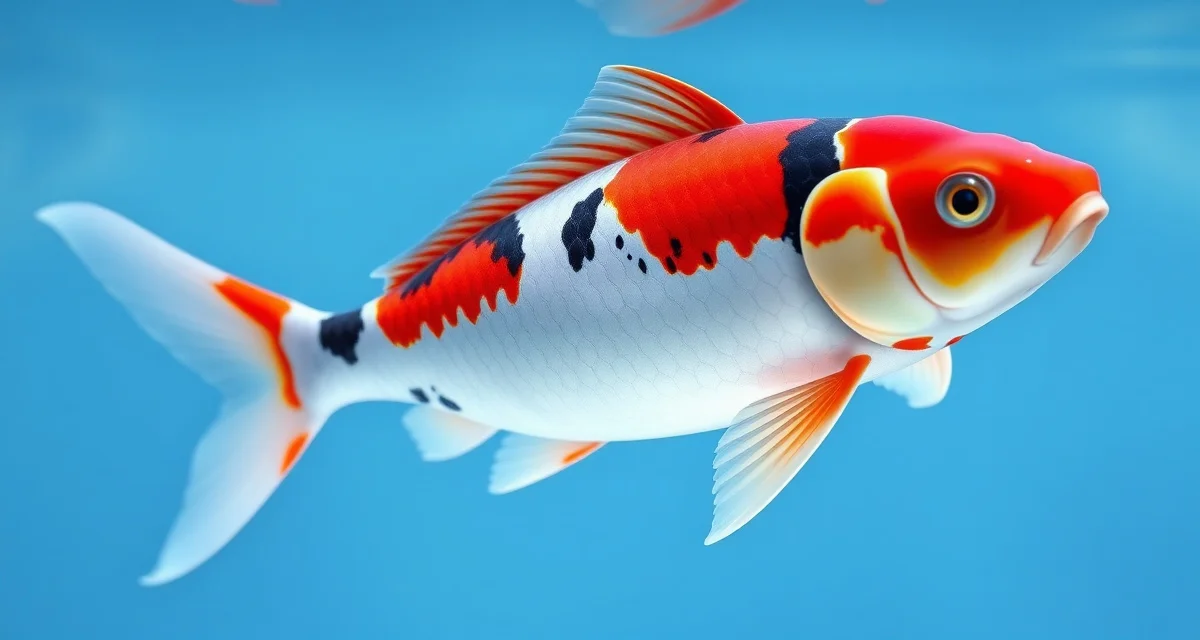
Sanke Koi Care Tracking: Health Logs and Quarantine for Tri-Color Koi
Sanke pattern development is heavily influenced by water temperature and nutritional status. That's not just an aesthetic observation. It's a practical reason why tracking koi pond water quality tracker alongside fish health and pattern development creates real value over time. A Sanke that develops exceptional sumi in its second year didn't do so by accident. The combination of diet, water chemistry, temperature, and genetics all contributed, and if you logged those variables consistently, you can repeat the conditions that produced the best development.
Paper logs don't capture the photo documentation needed to track Sanke pattern development alongside health history. KoiQuanta does both, creating an integrated record of physical condition and visual development that's genuinely useful for a variety where the two are so closely connected.
TL;DR
- These interstitial white areas are where bacterial infection often first appears as pinkness or slight roughness Setup: Salt at 0.2%, temperature 18-22°C, aeration running.
- Light feeding once appetite returns, typically day 2-3 after shipping.
- A praziquantel course at day 7-10 is appropriate for all imports and show-circuit fish.
- When you can look back at 18 months of temperature logs and photos, the pattern of "sumi developed most during the 12-18°C autumn window" becomes visible.
- Any ammonia directly stresses skin integrity and immune function - Nitrite: 0 ppm - pH: 7.2-8.0, stable.
- Sharp daily pH swings stress scale integrity - Temperature: 15-25°C for optimal pattern development.
- Cooler water temperatures, generally in the 12-18°C range, tend to promote deeper and more extensive sumi development in Sanke.
Understanding Sanke vs. Showa
New koi keepers often confuse Sanke and Showa, since both are tri-color koi with sumi (black), hi (red), and white patterns. The key difference is in where sumi appears. Sanke carry no sumi on the head. The pattern is white and red on the head, with sumi appearing on the body only. Showa, by contrast, typically have sumi extending to the head.
This distinction matters for health monitoring because Sanke and Showa have somewhat different vulnerability profiles at their color boundary zones. Sanke's body sumi tends to appear as distinct black spots or patches rather than the deep, broad sumi of some Showa, and the boundary concerns are consequently different.
Quarantine Protocol for New Sanke
Sanke from Japanese breeders or show circuits need the same 30-day structured quarantine as any high-value koi. The specific points to add for Sanke include:
Arrival inspection, Sanke-specific:
- Verify the head is clean of sumi. Any gray or black on the head that's clearly new (not documented prior pattern) may indicate disease rather than pattern
- Photograph both flanks and the dorsal view on arrival. Sanke sumi spots can develop, shift slightly, or in some fish even partially fade and reappear with seasonal temperature changes
- Check the white skin areas between sumi spots carefully. These interstitial white areas are where bacterial infection often first appears as pinkness or slight roughness
Setup: Salt at 0.2%, temperature 18-22°C, aeration running. Ammonia and nitrite testing daily in the first week. Light feeding once appetite returns, typically day 2-3 after shipping.
A praziquantel course at day 7-10 is appropriate for all imports and show-circuit fish. Sanke are not particularly more prone to flukes than other varieties, but standard prophylactic deworming as part of the quarantine protocol is good practice. The praziquantel dose calculator generates the dose for your tank volume automatically.
Related Articles
FAQ
What is Sanke Koi Care Tracking: Health Logs and Quarantine for Tri-Color Koi?
Sanke koi care tracking combines health logging, quarantine protocols, and pattern documentation for tri-color koi. Sanke develop their distinctive white, red, and black (sumi) patterns based on water temperature, nutrition, and genetics. Systematic tracking using tools like KoiQuanta lets you record water quality parameters, feeding schedules, and photo milestones alongside health events, creating an integrated history that reveals what conditions drive the best pattern development over time.
How much does Sanke Koi Care Tracking: Health Logs and Quarantine for Tri-Color Koi cost?
KoiQuanta offers tiered subscription plans, with core health logging and photo tracking available at entry-level pricing. Exact costs depend on the plan you choose and how many fish profiles you manage. Since Sanke pattern development unfolds over years, even a modest annual subscription pays for itself if it helps you replicate conditions that produced standout sumi quality or helped you catch a health issue before it spread.
How does Sanke Koi Care Tracking: Health Logs and Quarantine for Tri-Color Koi work?
You log each koi as an individual profile, recording water parameters, feeding notes, treatments, and dated photos at regular intervals. When a Sanke enters quarantine, you document salt concentration (0.2%), temperature (18–22°C), aeration status, appetite return, and any parasite treatment such as praziquantel at day 7–10. Over time, the system layers health history with visual pattern progression, letting you correlate specific husbandry decisions with development outcomes.
What are the benefits of Sanke Koi Care Tracking: Health Logs and Quarantine for Tri-Color Koi?
The main benefit is connecting cause and effect across a fish's life. If a Sanke develops exceptional sumi in year two, your logs tell you exactly what water chemistry, diet, and temperature preceded it. Health logs also enable early detection — interstitial white areas between pattern elements are prime sites for bacterial infection, and consistent observation lets you catch pinkness or roughness before a minor issue becomes a serious one.
Who needs Sanke Koi Care Tracking: Health Logs and Quarantine for Tri-Color Koi?
Serious hobbyists, breeders, and show-circuit koi keepers benefit most. Anyone managing multiple Sanke, importing fish, or aiming to replicate strong pattern development will find structured tracking far more useful than memory or paper notes. It's especially valuable if you show fish, since quarantine documentation and treatment history are important when introducing any returning fish to your main pond after the show circuit.
How long does Sanke Koi Care Tracking: Health Logs and Quarantine for Tri-Color Koi take?
Quarantine itself typically runs three to four weeks minimum. Pattern development tracking is a multi-year commitment — Sanke sumi often doesn't fully express until year two or three. Setting up your logging system takes an hour or less. The ongoing time investment is light: a few minutes per water test, a weekly photo, and treatment notes as needed. The value compounds the longer you maintain consistent records.
What should I look for when choosing Sanke Koi Care Tracking: Health Logs and Quarantine for Tri-Color Koi?
Look for a system that integrates photo documentation with health and water quality logs rather than treating them separately. For Sanke specifically, visual pattern tracking alongside parameter history is essential. Prioritize ease of use on mobile so you're actually logging at pondside. Quarantine protocol checklists, treatment reminders, and the ability to view a fish's full timeline at a glance are features worth paying for over a basic spreadsheet.
Is Sanke Koi Care Tracking: Health Logs and Quarantine for Tri-Color Koi worth it?
For dedicated Sanke keepers, yes. Paper logs and spreadsheets can't link dated photos to water parameters in a way that's easy to review at a glance. The ability to look back at 18 months of temperature, diet, and chemistry data alongside pattern photos transforms guesswork into repeatable husbandry. Given how much quality Sanke cost and how long their development takes, a structured tracking system is a low-cost insurance policy on a significant investment.
Sources
- Associated Koi Clubs of America (AKCA)
- Koi Organisation International (KOI)
- University of Florida IFAS Extension Aquaculture Program
- Fish Vet Group
- Water Quality Association