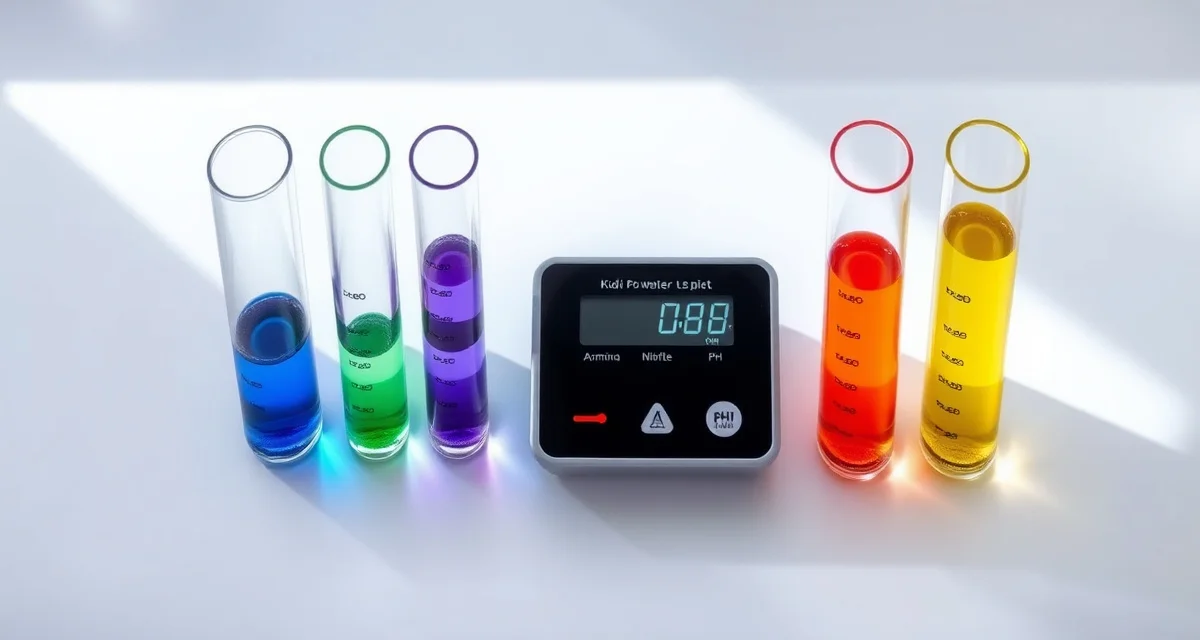
Koi Pond Water Testing Schedule: How Often to Test Each Parameter
Ammonia should be tested daily in new ponds and weekly in established ones - a one-size-fits-all testing schedule fails both groups. Testing daily in an established, stable pond wastes time and money. Testing weekly in a new pond cycling through ammonia spikes misses the crisis window when intervention is needed.
KoiQuanta's testing reminders are set at appropriate intervals per parameter type. No competitor provides parameter-specific testing frequency recommendations that adjust for pond age, season, and risk level.
TL;DR
- Nitrite spikes follow the ammonia spike in the cycling process, typically by 1-2 weeks.
- Test both morning (when pH is lowest after overnight CO2 accumulation) and afternoon (when photosynthesis has been removing CO2).
- Flag for action when KH drops below 80 mg/L.
- Test both morning and afternoon during summer to understand your daily pH range - a pond that tests fine at 2pm may have dropped below 7.0 at dawn.
- After adding any KH supplement, test within 24-48 hours to confirm the adjustment worked.
- After heavy rain, test within 24 hours to confirm pH hasn't been destabilised.
The Variables That Determine Testing Frequency
Testing frequency for each parameter depends on four factors:
Pond age and biological filter maturity: New ponds need intensive testing because the biological filter hasn't established and parameters are unstable. Established ponds with mature filtration are much more stable.
Stocking density: Higher fish density = more ammonia production = faster parameter changes = more frequent testing needed.
Season: Summer brings higher temperatures, faster bacterial growth, higher fish metabolism, and more rapid parameter fluctuations. Autumn and winter are more stable and require less frequent monitoring.
Recent changes: Any new fish, equipment changes, illness events, or interventions require temporary return to more intensive testing.
Ammonia Testing Schedule
Ammonia is the highest-priority parameter because elevated ammonia is directly toxic, indicates filtration problems, and can change within hours.
New ponds (first 8 weeks): Daily. You need to track the cycling process. Ammonia will spike, nitrite will spike, and the progression tells you where you are in the nitrogen cycle.
After new fish introduction: Daily for 2 weeks. New fish increase the ammonia load and may disrupt filtration balance temporarily.
Summer (June-September) established ponds: Twice weekly. Warm temperatures increase fish metabolism and ammonia production. Hot weather that reduces dissolved oxygen also reduces biological filter efficiency.
Spring and autumn established ponds: Weekly. Temperature transition periods bring variable conditions worth monitoring regularly.
Winter established ponds: Every 2-3 weeks. Fish metabolism is reduced, ammonia production is lower, and the biological filter, though slower at cold temperatures, is managing a reduced load.
After any disease treatment: Daily during treatment and for 2 weeks after. Antibiotics kill filter bacteria; other treatments stress fish and increase ammonia production.
If ammonia is ever detected above zero in an established pond: Daily until you've confirmed return to zero and stability.
Nitrite Testing Schedule
Nitrite follows ammonia in the nitrogen cycle. In a fully established pond, nitrite should always be zero. When ammonia rises, nitrite may follow. Test nitrite at the same frequency as ammonia.
New ponds: Daily. Nitrite spikes follow the ammonia spike in the cycling process, typically by 1-2 weeks.
Established ponds: Same schedule as ammonia. In a healthy established pond, nitrite is always zero, so finding a non-zero reading immediately signals a problem.
After antibiotic treatment: Daily, as filter bacteria that process nitrite are the most susceptible to antibiotic impact.
pH Testing Schedule
pH in an established, well-buffered pond (KH above 120 mg/L) is stable and changes slowly. In an unbuffered pond or one with significant algae activity, pH can fluctuate significantly through the day.
New ponds: Twice weekly. pH instability early in a pond's life is common.
Established ponds with good KH (above 120 mg/L): Weekly. Stable buffering means pH changes slowly.
Established ponds with low KH (below 80 mg/L): Twice weekly. Low KH means pH can swing significantly with algae activity.
During summer: Twice weekly. Peak photosynthesis from algae causes the highest daily pH variation in summer. Test both morning (when pH is lowest after overnight CO2 accumulation) and afternoon (when photosynthesis has been removing CO2).
After heavy rain: Within 24 hours. Acid rain or dilution of buffering capacity from soft rainwater can affect pH.
Does testing frequency need to change in summer?
Yes. Summer is the highest-risk period for pH instability in ponds with algae, ammonia spikes from increased fish metabolism, and oxygen depletion on hot, still nights. Increase testing frequency across all parameters in June-August. The incremental time investment is small; the disease events prevented are significant.
KH (Carbonate Hardness) Testing Schedule
KH changes slowly in most ponds but is critical to monitor because it determines pH buffering capacity. Low KH is the precursor to pH instability and eventual pH crash.
Established ponds: Weekly during spring and summer (when KH is consumed faster by higher biological activity). Monthly during winter.
New ponds or ponds with known soft water supply: Twice weekly until you've established the KH consumption rate and confirmed supplementation is keeping up.
After KH supplementation: Test 24-48 hours after adding bicarbonate to confirm it raised KH to the target level.
Target KH: Maintain above 100 mg/L. Flag for action when KH drops below 80 mg/L.
GH (General Hardness) Testing Schedule
GH changes more slowly than other parameters and doesn't require frequent monitoring in most established ponds.
Initial setup and quarterly: Test quarterly in established ponds to confirm calcium and magnesium are adequate. More frequent testing in ponds with soft water sources.
After significant water changes: If you're adding large volumes of water with different GH from the pond, test to ensure GH remains in range.
Temperature Monitoring
Temperature isn't a traditional water test, but it should be recorded daily during spring, summer, and autumn because:
- Feeding schedule is temperature-dependent (stop below 10°C)
- Disease risk assessment is temperature-dependent (KHV active window 16-25°C, bacterial disease peaks in warm water)
- Parameter change rates are temperature-dependent
A floating thermometer or digital thermometer probe that stays in the pond provides continuous temperature reference. Log daily during the active season.
Setting Up Testing Reminders in KoiQuanta
KoiQuanta's testing reminder system allows you to configure parameter-specific reminders:
- Set ammonia reminders at daily for ponds in cycling or new fish introduction periods, and weekly for established ponds
- Set pH reminders at twice weekly during summer months
- Set KH reminders weekly
- Enable seasonal adjustment - KoiQuanta suggests frequency increases as water temperature rises
When you record a test result, the next reminder for that parameter is automatically scheduled based on your configured frequency. If you miss a scheduled test, the system flags the overdue test.
This reminder structure is what converts testing from something you do when you remember into something that happens on a schedule that catches problems before they become emergencies.
Frequently Asked Questions
How often should I test koi pond ammonia?
Test daily in new ponds (first 8 weeks), daily for 2 weeks after adding new fish, twice weekly in summer for established ponds, weekly in spring and autumn, and every 2-3 weeks in winter for established ponds with stable zero readings. Return to daily testing any time ammonia tests above zero in an established pond, or any time you've administered antibiotic treatment that may have disrupted biological filtration. The elevated frequency during high-risk periods is what catches the spikes early enough to intervene before fish stress becomes acute.
How frequently do I need to test koi pond pH?
Weekly for established ponds with good KH buffering (above 120 mg/L). Twice weekly for established ponds with lower KH or significant algae activity. Twice weekly in summer regardless of KH, because peak photosynthesis creates the highest daily pH variation of the year. Test both morning and afternoon during summer to understand your daily pH range - a pond that tests fine at 2pm may have dropped below 7.0 at dawn. After adding any KH supplement, test within 24-48 hours to confirm the adjustment worked. After heavy rain, test within 24 hours to confirm pH hasn't been destabilised.
Does testing frequency need to change in summer?
Yes, significantly. Summer is the highest-risk period for most koi pond water quality tracker problems: ammonia spikes from increased fish metabolism, pH swings from peak algae photosynthesis, and oxygen depletion on hot, still nights. Increase all testing frequencies in summer relative to your spring and autumn schedule. The practical recommendation: test ammonia twice weekly (versus weekly), test pH twice weekly including a morning test to catch low-pH events, monitor temperature daily, and check dissolved oxygen if you have a meter and nights are consistently above 20°C. The time cost of increased summer testing is small. The disease events it prevents - bacterial outbreaks triggered by ammonia stress, fish losses from oxygen depletion - are not.
What is Koi Pond Water Testing Schedule: How Often to Test Each Parameter?
A koi pond water testing schedule is a structured plan that specifies how often to test each water parameter — ammonia, nitrite, pH, KH, and others — based on pond age, season, stocking level, and risk. New ponds cycling through beneficial bacteria need daily ammonia and nitrite checks, while mature, stable ponds can shift to weekly monitoring. A proper schedule prevents missed crisis windows without wasting time testing unnecessarily.
How much does Koi Pond Water Testing Schedule: How Often to Test Each Parameter cost?
Water testing itself costs very little — basic test kits run $20–$50, and liquid reagent kits for individual parameters cost even less per test. The real cost of skipping a proper schedule is fish loss. A single ammonia spike in a new pond can wipe out stock worth hundreds or thousands of dollars. KoiQuanta's testing reminders are free and built into the platform, making parameter-specific scheduling accessible to any keeper.
How does Koi Pond Water Testing Schedule: How Often to Test Each Parameter work?
A koi pond water testing schedule works by assigning each parameter its own testing interval based on how quickly it changes and what risk it poses. Ammonia and nitrite are tested daily during pond cycling because they spike unpredictably. pH is tested morning and afternoon in summer to capture the full daily swing. KH is tested weekly and flagged when it drops below 80 mg/L. Each result informs whether to intervene or hold steady.
What are the benefits of Koi Pond Water Testing Schedule: How Often to Test Each Parameter?
A proper testing schedule catches problems before fish show symptoms. Ammonia and nitrite stress fish well before visible signs appear. Catching a KH crash early prevents a pH collapse. Testing pH at dawn reveals lows that a 2pm test would miss entirely. For new ponds, daily testing identifies the nitrite spike — which typically follows ammonia by one to two weeks — giving you the window to act rather than react.
Who needs Koi Pond Water Testing Schedule: How Often to Test Each Parameter?
Any koi keeper benefits from a structured testing schedule, but it's especially critical for those with new ponds still cycling, heavily stocked ponds, ponds in summer heat, or anyone who has recently added fish or changed filtration. Beginners who test too infrequently risk missing spikes. Experienced keepers with established ponds still need seasonal adjustments — heavy rain, for example, requires a pH test within 24 hours to confirm stability wasn't disrupted.
How long does Koi Pond Water Testing Schedule: How Often to Test Each Parameter take?
Each individual test takes two to five minutes depending on the parameter and kit type. Building a full parameter picture — ammonia, nitrite, pH morning and afternoon, and KH — takes under 30 minutes weekly for established ponds. New ponds during cycling require daily ammonia and nitrite checks, which adds roughly 10 minutes per day. The time investment scales down significantly as your biological filter matures and readings stabilise over weeks.
What should I look for when choosing Koi Pond Water Testing Schedule: How Often to Test Each Parameter?
Look for a schedule that adjusts testing frequency by parameter type, not a single universal interval. Ammonia and nitrite need separate frequencies from pH and KH. Choose a schedule that accounts for pond age — new ponds need daily attention, established ponds weekly. Ensure it flags seasonal triggers like summer heat and heavy rain. KoiQuanta's reminders are set per parameter and adjust for these variables, which no generic testing chart does.
Is Koi Pond Water Testing Schedule: How Often to Test Each Parameter worth it?
Yes. Koi are sensitive to water chemistry changes that happen faster than visible symptoms appear. A structured testing schedule is the difference between catching a nitrite spike on day one and finding dead fish on day three. After any KH supplement, testing within 24–48 hours confirms the adjustment worked. After heavy rain, a same-day pH check prevents a silent crash. The time and kit cost are negligible compared to the fish and filtration investment you're protecting.
Related Articles
- How Often Should I Do Water Changes in My Koi Pond?
- How to Test Koi Pond Water: Parameters, Frequency, and What Results Mean
- Case Study: How Trend Tracking Caught a Chemistry Problem Before Fish Died
Sources
- Associated Koi Clubs of America (AKCA)
- Koi Organisation International (KOI)
- University of Florida IFAS Extension Aquaculture Program
- Fish Vet Group
- Water Quality Association