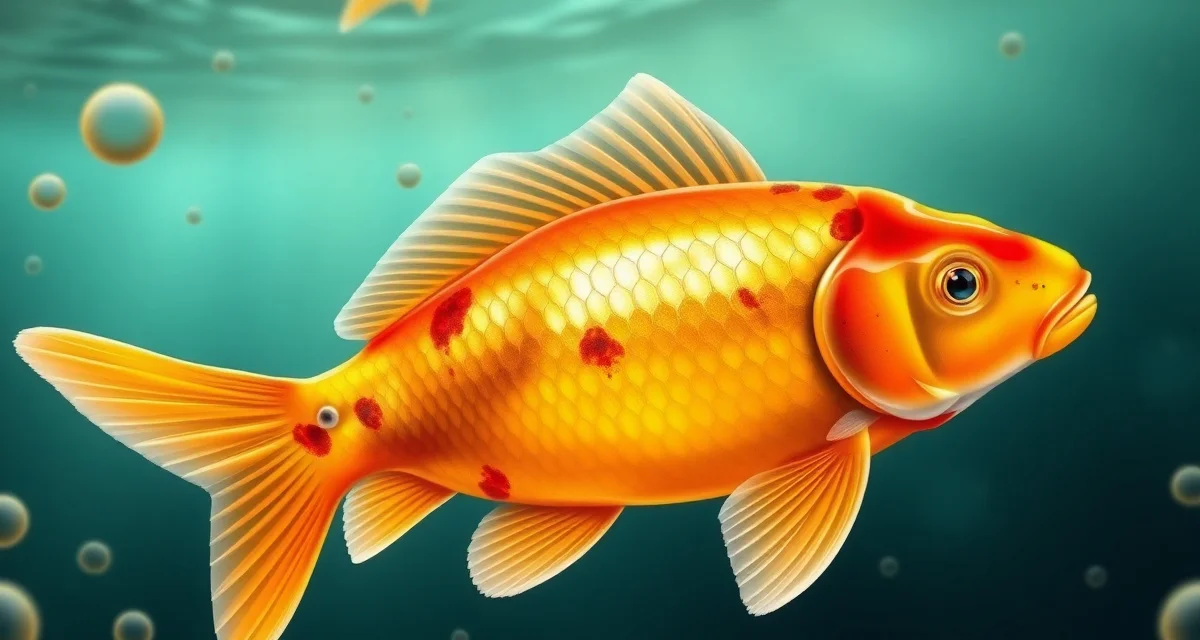
Pseudomonas Infection in Koi: Identification and Treatment
Pseudomonas and Aeromonas are both common gram-negative bacterial koi pathogens that cause overlapping clinical signs. Most hobbyists have heard of Aeromonas; fewer know Pseudomonas by name - but if you've dealt with persistent fin rot or ulcers that didn't respond well to standard antibiotic treatment, Pseudomonas may have been the reason.
The distinction matters clinically because the antibiotic sensitivity profiles differ, and Pseudomonas is often more resistant to the compounds koi keepers typically reach for first.
TL;DR
- Minimum course: 10–14 days of systemic antibiotic treatment, continued for 5–7 days after apparent clinical improvement.
- If the fish "looks better" on day 7 of a 14-day course, finish the 14 days.
- Post-treatment observation hold: 7–14 days with no relapse before discharge criteria can be met.
- Clues that suggest Pseudomonas include primary fin erosion as the first sign, treatment failure on oxytetracycline after 5–7 days, and blue-green tinge or distinctive fruity odor to wound discharge (not always present).
- Minimum 10–14 days of systemic antibiotic treatment.
What Pseudomonas Looks Like
Pseudomonas fluorescens and related species cause a range of presentations:
Fin rot and erosion: The most common early Pseudomonas presentation. Progressive fraying and erosion of fin tissue - starting at the fin tips and working toward the base. The eroded edges often appear ragged or whitish. This differs from mechanical fin damage (clean splits) and from Columnaris (faster progression, saddle-shaped body lesions).
Hemorrhagic septicemia: Redness at fin bases and throughout the skin, often described as "red veins" or bloody streaking in the fins. This presentation is also seen with Aeromonas and with koi pond water quality tracker problems (ammonia toxicity causes similar redness). Clinical context and treatment response help differentiate.
Ulcers: Pseudomonas causes ulcers, similar to Aeromonas. Pseudomonas ulcers tend to have more of a spreading, diffuse character compared to the more punched-out, defined margins typical of Aeromonas ulcers - though this distinction isn't reliable enough to diagnose from appearance alone.
Systemic septicemia: In immunocompromised fish or very fast-progressing cases, Pseudomonas can cause internal organ damage with generalized deterioration. This presentation overlaps completely with Aeromonas systemic infection.
Pseudomonas vs. Aeromonas: Key Differentiators
You cannot reliably distinguish these two pathogens from clinical appearance alone. The definitive answer comes from bacterial culture and sensitivity testing.
Clinical clues that suggest Pseudomonas over Aeromonas:
- Primary fin erosion: Pseudomonas tends to cause fin rot as a primary presentation more commonly than Aeromonas, which more often starts with skin ulcers
- Treatment failure on tetracyclines: Pseudomonas is often resistant to oxytetracycline and similar tetracycline-class antibiotics; Aeromonas is also increasingly resistant but historically more susceptible
- Presence of blue-green or fruity-smelling wound discharge: Some Pseudomonas strains produce characteristic pigments (pyocyanin) and distinctive odor, though this isn't always present
- Response to fluoroquinolones: Pseudomonas typically remains susceptible to enrofloxacin (a fluoroquinolone) longer than it does to tetracyclines
None of these is definitive. Culture and sensitivity testing is the only way to confirm Pseudomonas and determine which antibiotics will work.
For any bacterial infection that isn't responding to the first-line antibiotic after 5–7 days, culture and sensitivity testing through an aquatic veterinarian should be the next step.
Why Pseudomonas Is More Antibiotic-Resistant
Pseudomonas species have several intrinsic resistance mechanisms that make them harder to treat than many gram-negative bacteria:
- Low outer membrane permeability: Many antibiotics can't penetrate the outer membrane of Pseudomonas effectively
- Efflux pumps: Pseudomonas actively pumps certain antibiotics out of the cell
- Biofilm formation: Pseudomonas forms protective biofilms that dramatically reduce antibiotic penetration to the bacteria within
This is why "the fish didn't respond to oxytetracycline" is often a Pseudomonas indicator. The resistance is built in, not just acquired through antibiotic overuse - though overuse does drive additional resistance development.
Treatment Protocol
First Response
If you suspect bacterial infection and can't wait for culture results:
Enrofloxacin (fluoroquinolone): Better Pseudomonas coverage than tetracyclines. Requires veterinary prescription in the US. Bath treatment or injectable (injectable has better tissue penetration for serious cases). 10–14 day minimum course.
Tobramycin or gentamicin (aminoglycosides): Generally effective against Pseudomonas where available and appropriate. Prescription required. These have nephrotoxicity concerns with prolonged use and are typically used under veterinary supervision.
Ciprofloxacin: Another fluoroquinolone with good Pseudomonas activity. Available for veterinary use.
What to avoid without a sensitivity result: Oxytetracycline, erythromycin, and penicillin-class antibiotics have poor or variable activity against Pseudomonas. Starting with these and not seeing response while the fish deteriorates is a common treatment failure pattern.
Wound Care
For visible fin rot or ulcers:
- Daily topical treatment with povidone-iodine or chlorhexidine on affected tissue
- For fin rot: debridement of visibly necrotic fin tissue to clean margins (this stops the tissue from providing a bacterial substrate)
- Antibiotic wound paste applied to open wounds if available
- 0.3% salt as a supportive measure
Water Quality
Pseudomonas infections, like Aeromonas, are frequently triggered or worsened by water quality compromise. Elevated ammonia, nitrite, or chronically poor oxygen levels create the conditions where Pseudomonas can establish.
- Ammonia: 0 mg/L
- Nitrite: 0 mg/L
- Temperature: 22–24°C during treatment (supports immune function; avoid extremes)
- Dissolved oxygen: 7+ mg/L
- 0.3% salt throughout treatment
Isolation
Any fish with active Pseudomonas infection should be isolated. Pseudomonas is waterborne and infectious through skin wounds. A fish with active fin rot is shedding bacteria into the water.
Fin Rot Treatment Specifically
Fin rot is a common presentation that's often managed topically rather than systemically - sometimes successfully, sometimes not.
For minor fin tip erosion in an otherwise healthy fish:
- Remove the fish from the pond
- Trim damaged fin tissue to clean, healthy fin base with sterile scissors
- Apply povidone-iodine to the cut edge
- Improve water quality (fin rot is often a water quality disease)
- Add 0.3% salt
- Monitor daily
For fin rot that's progressing despite topical management, or that has reached the fin base:
- Systemic antibiotic treatment is required
- Culture and sensitivity testing is strongly recommended
- Trimming alone won't stop a systemic bacterial infection
How Long Is the Treatment Course?
Minimum course: 10–14 days of systemic antibiotic treatment, continued for 5–7 days after apparent clinical improvement.
Don't shorten the course. Pseudomonas treatment failure from incomplete antibiotic courses is the leading cause of relapsing infections and resistance development. If the fish "looks better" on day 7 of a 14-day course, finish the 14 days.
Post-treatment observation hold: 7–14 days with no relapse before discharge criteria can be met.
Related Articles
- Columnaris in Koi: Saddle-Back Disease Identification and Treatment
- External Parasites in Koi: Complete Identification and Treatment Guide
- Monogenean Flukes in Koi: Identification, Treatment, and Prevention
FAQ
How do I know if my koi has Pseudomonas vs Aeromonas?
You can't reliably distinguish them from clinical appearance - both cause ulcers, hemorrhage, and fin rot. Clues that suggest Pseudomonas include primary fin erosion as the first sign, treatment failure on oxytetracycline after 5–7 days, and blue-green tinge or distinctive fruity odor to wound discharge (not always present). Definitive identification requires bacterial culture from an aquatic veterinarian, which also gives you a sensitivity result to guide antibiotic selection.
What antibiotic treats Pseudomonas in koi?
Fluoroquinolones (enrofloxacin, ciprofloxacin) are the most reliably effective class against Pseudomonas. Aminoglycosides (tobramycin, gentamicin) also have good Pseudomonas activity. Both require veterinary prescription in the US. Oxytetracycline (the most accessible over-the-counter option for koi bacterial infections) has poor activity against most Pseudomonas strains and should not be the first choice if Pseudomonas is suspected.
How long is the treatment course for Pseudomonas in koi?
Minimum 10–14 days of systemic antibiotic treatment. Pseudomonas infections that don't receive a full antibiotic course frequently relapse, and each relapse may involve a more resistant bacterial population than the last. Complete the full course even if clinical signs have resolved - resistance development in your pond's Pseudomonas population is a long-term management concern.
What is Pseudomonas Infection in Koi: Identification and Treatment?
Pseudomonas infection in koi is a bacterial disease caused by gram-negative bacteria such as Pseudomonas fluorescens. It produces clinical signs similar to Aeromonas infections—including fin rot, ulcers, and tissue erosion—but is often more antibiotic-resistant. A key distinguishing clue is fin erosion appearing as the first sign, failure to respond to oxytetracycline within 5–7 days, or a blue-green tinge and fruity odor from wound discharge. Accurate identification matters because treatment requires selecting antibiotics that match Pseudomonas's specific resistance profile.
How much does Pseudomonas Infection in Koi: Identification and Treatment cost?
Pseudomonas infection treatment is not a purchasable product but a veterinary and husbandry protocol. Costs vary depending on the antibiotic prescribed, whether a vet culture and sensitivity test is performed, and the size of your system. A culture and sensitivity test, while an added expense, is strongly recommended for resistant or recurring cases, as it identifies which antibiotics will actually be effective—potentially saving money by avoiding ineffective treatment courses.
How does Pseudomonas Infection in Koi: Identification and Treatment work?
Treating Pseudomonas in koi involves a minimum 10–14 day course of systemic antibiotics selected for gram-negative bacterial coverage, continued for 5–7 days past visible clinical improvement. Salt baths and topical wound care support healing. Water quality must be optimized throughout. If improvement stalls after 5–7 days on oxytetracycline, a switch to a more appropriate antibiotic is warranted. A 7–14 day post-treatment observation hold confirms no relapse before the fish is considered recovered.
What are the benefits of Pseudomonas Infection in Koi: Identification and Treatment?
Proper identification and treatment of Pseudomonas prevents treatment failure, reduces antibiotic overuse, and improves fish survival rates. Because Pseudomonas is more resistant than Aeromonas to commonly used antibiotics, correctly identifying it avoids wasted treatment courses. Completing the full antibiotic course—even when the fish appears recovered—prevents relapse and reduces the risk of developing further resistance. Early intervention also limits tissue damage, improving the fish's long-term health and appearance.
Who needs Pseudomonas Infection in Koi: Identification and Treatment?
Any koi keeper dealing with persistent fin rot, non-healing ulcers, or bacterial infections that have not responded to standard oxytetracycline treatment should investigate Pseudomonas as a possible cause. It is especially relevant for hobbyists managing high-value fish, pond systems with recurring disease problems, or any situation where treatment failure has occurred. Consulting an aquatic veterinarian for culture and sensitivity testing is advisable whenever Pseudomonas is suspected.
Sources
- Associated Koi Clubs of America (AKCA)
- Koi Organisation International (KOI)
- University of Florida IFAS Extension Aquaculture Program
- Fish Vet Group
- Water Quality Association