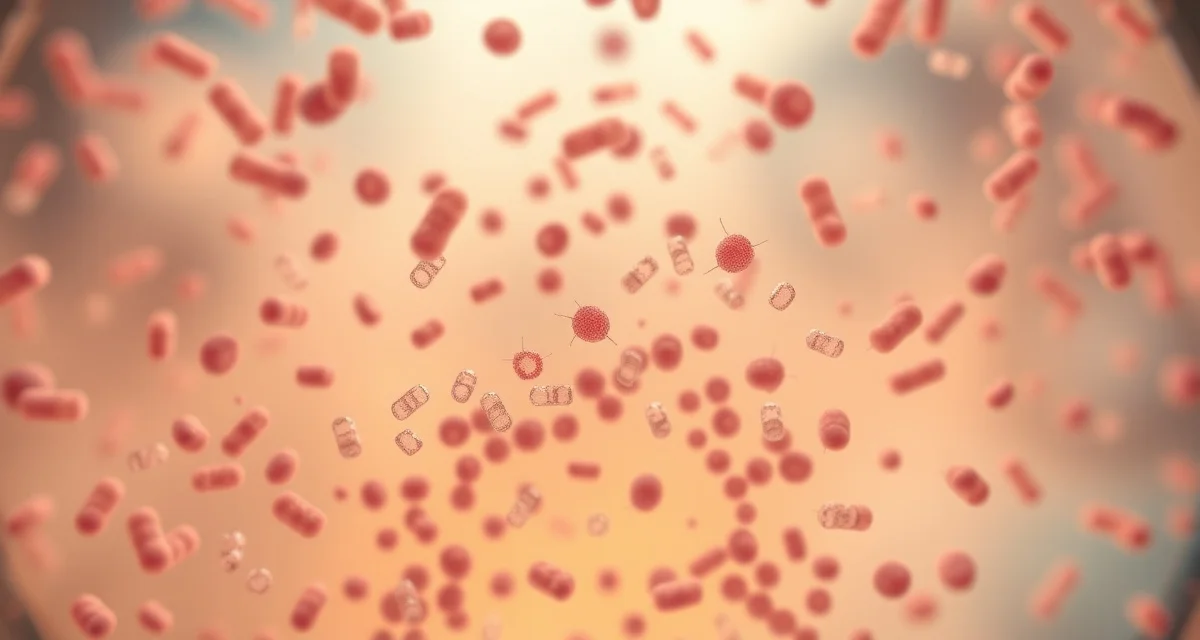
Pseudomonas Infection in Koi: Symptoms and Treatment Protocol
Pseudomonas aeruginosa can develop antibiotic resistance in as few as 3-5 days when treatment is discontinued prematurely during an active infection. This makes Pseudomonas one of the most treatment-resistant bacterial pathogens in koi medicine - and one where the temptation to stop treatment as soon as visible improvement appears can directly cause relapse with a resistant strain.
KoiQuanta's extended treatment reminders prevent the premature treatment cessation that causes Pseudomonas to relapse with increased antibiotic resistance.
TL;DR
- Most Pseudomonas treatment protocols run 14-21 days minimum - substantially longer than Aeromonas protocols.
- Do not stop treatment when the fish starts looking better, which typically happens around day 7-10.
- Pseudomonas relapses typically appear within 7-14 days of stopping treatment if the course was inadequate or the antibiotic choice was suboptimal.
- Most fish begin showing clinical improvement around day 7-10 of treatment, which creates strong pressure to stop early.
- Seasonal changes require adjusted monitoring schedules; automated reminders help maintain consistency.
How Pseudomonas Differs From Aeromonas
Pseudomonas and Aeromonas are both gram-negative bacterial pathogens that cause overlapping clinical presentations in koi. Understanding the differences matters for treatment, because they're not equally responsive to the same antibiotics.
Aeromonas hydrophila: The most common koi bacterial pathogen. Responds relatively well to oxytetracycline and many broad-spectrum antibiotics. Tends to cause primarily ulcer disease (localized skin lesions).
Pseudomonas aeruginosa/fluorescens: More virulent, more antibiotic-resistant, and more likely to cause systemic (septicemic) disease. Tends to cause more severe fin rot, hemorrhagic lesions, and septicemia with abdominal involvement. More commonly associated with conditions of high organic load and elevated temperatures.
In practice, co-infections with both Pseudomonas and Aeromonas are common - one creates the wound, the other exploits it. This is why culture and sensitivity testing is particularly valuable for Pseudomonas cases: you need to know which antibiotics this specific strain is sensitive to.
Identifying Pseudomonas Infection
Fin rot: Progressive erosion of fin rays and interray tissue, often with hemorrhagic margins. Pseudomonas fin rot can be remarkably rapid - significant fin tissue can be lost within days under high-load conditions.
Hemorrhagic lesions: Red, hemorrhagic patches on the skin, often with scale lifting and tissue erosion. Pseudomonas lesions can be more hemorrhagic and more rapidly progressive than typical Aeromonas ulcers.
Septicemia signs: Abdominal distension, exophthalmos (pop-eye from periorbital edema), petechial hemorrhages across the body surface, and sudden deterioration in fish that appeared only mildly affected.
Mouth lesions: Erosion and hemorrhage at the mouth and lips, associated with Pseudomonas species specifically. A koi with deteriorating mouth area alongside hemorrhagic fin disease warrants Pseudomonas as a primary suspect.
Environmental context: High organic load, warm water, overcrowding, or any recent significant stress event (netting, spawning, transport) predisposes to Pseudomonas disease.
The Antibiotic Resistance Challenge
Pseudomonas aeruginosa is notorious in both human and veterinary medicine for its intrinsic resistance to many antibiotic classes and its rapid acquisition of additional resistance under selection pressure (i.e., during inadequate antibiotic treatment).
Antibiotic classes with variable Pseudomonas activity:
- Oxytetracycline: moderate efficacy, variable resistance
- Enrofloxacin (fluoroquinolone): good activity but resistance can develop
- Trimethoprim-sulfa: activity against some strains
- Aminoglycosides (kanamycin): active against some strains; not widely available for fish
- Florfenicol: good activity against some strains
What this means practically:
- Culture and sensitivity testing is more important for Pseudomonas than for Aeromonas
- The full antibiotic course MUST be completed regardless of apparent improvement
- If treatment appears ineffective after 5-7 days, the diagnosis or antibiotic selection needs revisiting
- Avoid using the same antibiotic again if a fish has been treated for Pseudomonas previously
Treatment Protocol
Isolation as for any bacterial disease - hospital tank, matched water parameters, aggressive aeration.
Antibiotic selection based on sensitivity testing where possible. Without sensitivity data, enrofloxacin is often the preferred empirical choice for Pseudomonas, though it requires a prescription in most jurisdictions. Your vet may prescribe based on clinical presentation and pond history.
Treatment duration is the critical variable. Most Pseudomonas treatment protocols run 14-21 days minimum - substantially longer than Aeromonas protocols. KoiQuanta's extended antibiotic treatment reminders maintain the schedule through the full duration. Do not stop treatment when the fish starts looking better, which typically happens around day 7-10. Stop when the protocol is complete.
Topical wound management for any external lesions - clean, appropriate antiseptic, protect the wound from secondary infection.
Supportive care:
- Salt at 0.3% for osmoregulatory support
- Maximize aeration
- Reduce all other stressors
- Nutritional support if the fish is eating
Post-treatment monitoring: 30 days of hospital tank observation after completing antibiotics, watching specifically for relapse signs. Pseudomonas relapses typically appear within 7-14 days of stopping treatment if the course was inadequate or the antibiotic choice was suboptimal.
Telling Pseudomonas From Aeromonas
Without laboratory culture, definitive differentiation isn't possible. Clinical features that lean toward Pseudomonas:
- Particularly severe fin rot with rapid progression
- Hemorrhagic presentations with extensive petechiae
- Mouth lesions
- Poor response to oxytetracycline treatment
- History of high organic load or warm water conditions
Features that lean toward Aeromonas:
- Classic spring/autumn onset in transitional temperatures
- Typical ulcer presentation (deep, circular) without extensive fin rot
- Good response to oxytetracycline
When in doubt, treat based on the most virulent possibility (Pseudomonas) until laboratory culture provides clarification. Your KoiQuanta koi disease Aeromonas bacterial protocol provides the parallel framework - these two diseases are managed similarly but with different antibiotic duration expectations.
Frequently Asked Questions
How do I tell Pseudomonas from Aeromonas in koi?
Without laboratory culture and sensitivity testing, definitive differentiation is not possible. Clinically, Pseudomonas tends to cause more severe and rapidly progressive fin rot, more extensive hemorrhagic presentations, and mouth erosions - versus the typically more localized ulcer pattern of Aeromonas. Pseudomonas is also more likely to show poor or partial response to oxytetracycline treatment where Aeromonas often responds more completely. Co-infection with both organisms is common, particularly in established ulcer cases. When in doubt and a vet consultation is not immediately possible, treat empirically with a broader-spectrum choice (enrofloxacin where accessible) and seek culture confirmation.
What antibiotic treats Pseudomonas in koi?
Pseudomonas shows inherent resistance to many antibiotics, making sensitivity testing important. Enrofloxacin (a fluoroquinolone, prescription-only in most jurisdictions) is often the first choice for suspected Pseudomonas in koi where sensitivity is unknown. Trimethoprim-sulfa combinations show activity against some strains. Florfenicol has variable but sometimes useful activity. Your fish vet can culture the organism and perform sensitivity testing to select the most effective antibiotic for the specific strain you're dealing with - this is far more effective than empirical guessing, especially for a fish that has been through previous antibiotic treatment.
How long does Pseudomonas treatment take in koi?
Pseudomonas treatment typically runs 14-21 days, significantly longer than standard Aeromonas protocols. This extended duration reflects the organism's ability to persist in biofilm, its resistance development under treatment, and the importance of ensuring complete clearance before antibiotics are stopped. Most fish begin showing clinical improvement around day 7-10 of treatment, which creates strong pressure to stop early. Stopping at this point allows resistant survivors to repopulate, causing relapse that is harder to treat than the original infection. Complete the full prescribed course regardless of apparent improvement.
What is Pseudomonas Infection in Koi: Symptoms and Treatment Protocol?
Pseudomonas infection in koi is a bacterial disease caused by Pseudomonas aeruginosa, a gram-negative pathogen that can cause ulcers, hemorrhaging, fin rot, and systemic septicemia. It is particularly dangerous because it develops antibiotic resistance rapidly — sometimes within 3-5 days — if treatment is stopped prematurely. Unlike many bacterial infections, Pseudomonas requires a minimum 14-21 day treatment protocol to fully clear the infection and prevent relapse with a drug-resistant strain.
How much does Pseudomonas Infection in Koi: Symptoms and Treatment Protocol cost?
Treatment itself typically involves antibiotics available through a veterinarian, water quality products, and wound care supplies, which can range from $30 to $150+ depending on pond size and severity. The larger cost risk is restarting treatment after a resistant relapse, which is more expensive and less effective. KoiQuanta's treatment reminder tools are free to use and help prevent the premature cessation that leads to costly resistance-driven relapses.
How does Pseudomonas Infection in Koi: Symptoms and Treatment Protocol work?
Pseudomonas treatment works by using targeted antibiotics — often fluoroquinolones or aminoglycosides — to eliminate the bacterial load before resistance can develop. Treatment is delivered via bath, injection, or medicated food depending on severity. The critical mechanism is maintaining therapeutic antibiotic levels consistently for the full protocol duration. Stopping early, even when the fish appears recovered, allows surviving bacteria to proliferate and develop resistance, causing a harder-to-treat relapse.
What are the benefits of Pseudomonas Infection in Koi: Symptoms and Treatment Protocol?
Following a complete Pseudomonas treatment protocol protects your koi from relapse, preserves future antibiotic effectiveness, and prevents the spread of infection to other pond fish. Fish that complete the full 14-21 day course have significantly better survival outcomes. Proper protocol adherence also reduces long-term treatment costs by avoiding the cycle of partial treatment and resistant reinfection that can make chronic Pseudomonas cases nearly impossible to clear.
Who needs Pseudomonas Infection in Koi: Symptoms and Treatment Protocol?
Any koi keeper who suspects a bacterial ulcer infection — especially one involving deep tissue wounds, fin erosion, or systemic symptoms like lethargy and hemorrhaging — should consider Pseudomonas as a possible diagnosis. Ponds that have recently experienced Aeromonas infections are at elevated risk, as the presentations overlap. Keepers who have previously stopped antibiotic treatment early after seeing improvement are especially likely to be dealing with a Pseudomonas relapse scenario.
How long does Pseudomonas Infection in Koi: Symptoms and Treatment Protocol take?
A complete Pseudomonas treatment protocol takes a minimum of 14-21 days, significantly longer than most Aeromonas protocols. Visible clinical improvement typically appears around days 7-10, which creates strong pressure to stop early — but this is precisely when premature discontinuation is most dangerous. Resistance can develop within just 3-5 days of subtherapeutic dosing. Relapses, if they occur, typically appear within 7-14 days of stopping an incomplete treatment course.
What should I look for when choosing Pseudomonas Infection in Koi: Symptoms and Treatment Protocol?
When selecting a Pseudomonas treatment approach, prioritize protocols that specify full duration (14-21 days minimum), not just symptom resolution. Choose antibiotics with known efficacy against gram-negative pathogens, ideally informed by sensitivity testing if available. Look for guidance that addresses water temperature adjustments, as efficacy can vary seasonally. Use treatment tracking tools or reminders to maintain schedule consistency. Avoid any protocol that encourages stopping treatment based on visual improvement alone.
Is Pseudomonas Infection in Koi: Symptoms and Treatment Protocol worth it?
Yes — completing a full Pseudomonas treatment protocol is absolutely worth it. Pseudomonas is one of the most antibiotic-resistant pathogens in koi medicine, and partial treatment directly creates harder-to-treat strains. The difference between a fish that completes the full course and one that doesn't is often survival versus a fatal relapse. The time and cost investment of a 14-21 day protocol is far lower than managing a resistant reinfection, and the outcome for the fish is significantly better.
Related Articles
- Acriflavine Treatment for Koi: Fungal and Bacterial Protocol
- Koi Bacterial Infection Treatment: Complete Guide
- Columnaris in Koi: Saddle-Back Disease Identification and Treatment
Sources
- Associated Koi Clubs of America (AKCA)
- Koi Organisation International (KOI)
- University of Florida IFAS Extension Aquaculture Program
- Fish Vet Group
- Water Quality Association