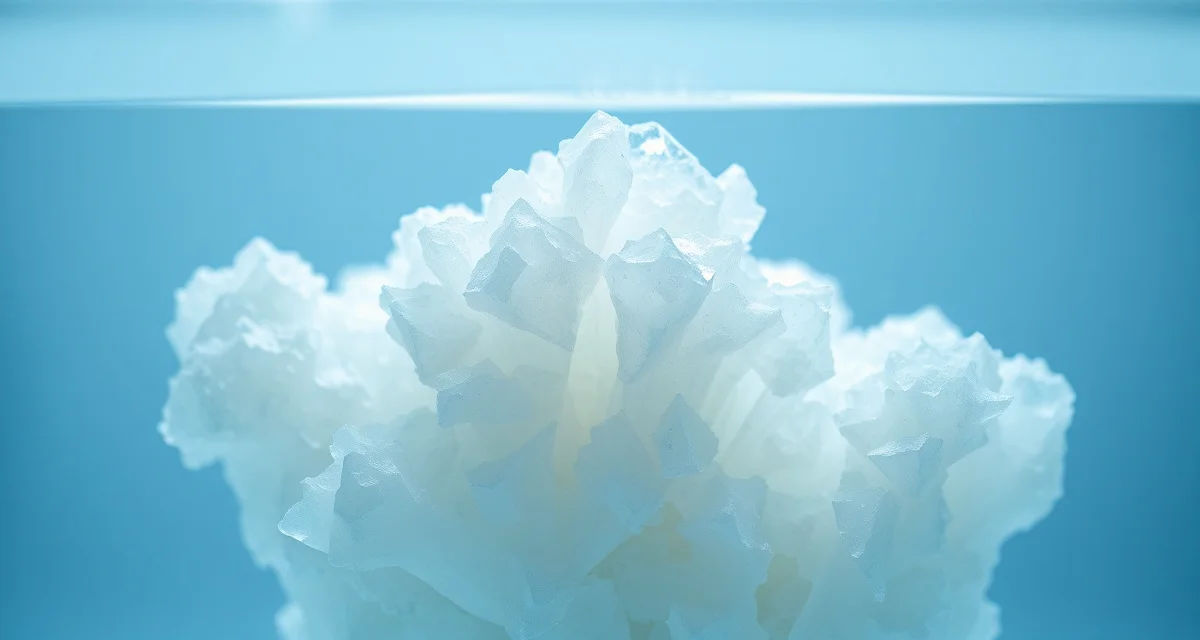
Zeolite in Koi Ponds: Ammonia Removal Benefits and Limitations
Zeolite is completely inactivated by salt - ponds maintained with salt dose calculator cannot use zeolite for ammonia removal simultaneously. This is the most important thing to know before you add zeolite to your koi pond, because it directly affects whether the product will do anything at all. Many hobbyists buy zeolite, add it to a salted pond, and wonder why ammonia is still climbing. The salt has blocked every ion exchange site on the zeolite surface before a single ammonia molecule could be captured.
KoiQuanta's ammonia tracking shows you exactly whether your zeolite is working, when it's approaching exhaustion, and when it's been knocked out by salt or pH changes - turning a product that often fails silently into one you can monitor and manage.
TL;DR
- This makes zeolite useful in specific situations: New pond cycling. During the 4-6 week period when a new pond's biological filter is establishing, ammonia can spike to dangerous levels.
- Even low-level salt at 0.1% reduces zeolite effectiveness significantly.
- At 0.3% or above, zeolite provides negligible ammonia removal.
- At pH below 6.5 or above 8.5, ion exchange efficiency drops substantially.
- Even low-level salt at 0.1-0.2% meaningfully reduces zeolite's ammonia-capture capacity, and at the therapeutic salt concentrations used for disease treatment (0.3-0.8%), zeolite is essentially useless.
- In a lightly stocked pond, zeolite might last 4-6 weeks before saturation.
- Regeneration by salt soaking can restore capacity 2-3 times before the zeolite mineral structure degrades enough to warrant replacement.
What Zeolite Does and How It Works
Zeolite is a naturally occurring aluminosilicate mineral with a crystalline structure full of negatively charged ion exchange sites. Ammonium ions (the charged form of ammonia that predominates at typical koi pond pH) are attracted to these sites and held there, effectively removing them from the water.
This makes zeolite useful in specific situations:
New pond cycling. During the 4-6 week period when a new pond's biological filter is establishing, ammonia can spike to dangerous levels. Zeolite buys time while beneficial bacteria colonize the filter media. This is its best application in koi keeping.
Emergency ammonia control. When a pond has an acute ammonia spike - from a disease event, fish death, or filter failure - zeolite can rapidly pull ammonia down to safer levels while you address the underlying problem.
Temporary holding systems. Quarantine tanks or temporary holding systems where biological filtration isn't fully established benefit from zeolite as backup ammonia control.
The Limitations You Need to Know
Salt incompatibility. As noted above, sodium ions from salt displace ammonium ions from zeolite's exchange sites. Even low-level salt at 0.1% reduces zeolite effectiveness significantly. At 0.3% or above, zeolite provides negligible ammonia removal.
pH sensitivity. Zeolite works best at pH 7-8, which overlaps well with the optimal koi pH range. At pH below 6.5 or above 8.5, ion exchange efficiency drops substantially.
Finite capacity. Zeolite exchange sites become saturated. Once all sites are occupied, zeolite provides no further ammonia removal and simply sits in the filter doing nothing. Without tracking, you won't know when saturation has occurred.
Temperature effects. Zeolite is more effective at lower temperatures. In warm summer water, both ammonia production rates (from fish and bacteria) and zeolite release rates increase, potentially creating a situation where zeolite releases previously captured ammonia back into the water rather than absorbing more.
Regeneration
Zeolite can be regenerated by soaking in a strong salt solution (non-iodized salt at 5-10%) for 24-48 hours, which displaces captured ammonium from the exchange sites. After regeneration, the zeolite must be thoroughly rinsed with fresh water before returning to the pond - any residual salt from the regeneration bath will immediately block the freshly regenerated sites.
KoiQuanta's zeolite exhaustion detector identifies the ammonia uptick that indicates zeolite capacity has been reached, prompting you to either regenerate or replace. Without this monitoring, the first sign that your zeolite is exhausted is typically fish stress or an elevated ammonia reading that surprises you.
Your ammonia tracking guide covers the full context of ammonia management. The beneficial bacteria guide explains how to transition from zeolite-assisted ammonia control to biological filtration as your pond matures.
Frequently Asked Questions
Can I use zeolite in a salted koi pond?
No - not effectively. Sodium ions from salt occupy the same ion exchange sites on zeolite that ammonium ions need to attach to. Even low-level salt at 0.1-0.2% meaningfully reduces zeolite's ammonia-capture capacity, and at the therapeutic salt concentrations used for disease treatment (0.3-0.8%), zeolite is essentially useless. If you need to manage ammonia in a salted pond, you must rely on biological filtration, water changes, and reduced feeding rather than zeolite. The only way to use both is sequentially: finish salt treatment, complete a thorough water change to bring salt back to near-zero, then add zeolite.
How often do I need to replace or regenerate zeolite in a koi pond?
Replacement or regeneration timing depends on your ammonia load (fish number and feeding rate), water temperature, and pond volume. In a lightly stocked pond, zeolite might last 4-6 weeks before saturation. In a heavily stocked or newly cycling pond producing high ammonia, it may be exhausted within days to a week. Regeneration by salt soaking can restore capacity 2-3 times before the zeolite mineral structure degrades enough to warrant replacement. Monitoring ammonia with KoiQuanta makes the timing clear - when ammonia starts climbing despite zeolite being present, it's time to regenerate or replace.
How much zeolite do I need for my koi pond?
Manufacturer recommendations typically give a volume or weight per gallon of pond water. Follow the product-specific guidance, and err on the side of more rather than less - undersized zeolite is exhausted too quickly to provide meaningful ammonia management. For a 1,000-gallon pond in the critical early cycling phase, a typical starting amount is 5-10 lbs of zeolite granules placed in a mesh bag in the filter return flow. Adjust based on your actual ammonia readings - if ammonia is still rising with the initial amount, add more.
What is Zeolite in Koi Ponds: Ammonia Removal Benefits and Limitations?
Zeolite is a naturally occurring mineral used in koi ponds as a chemical filtration media to remove ammonia from the water through a process called ion exchange. It captures ammonium ions on its porous surface, temporarily reducing toxic ammonia levels. It is not a biological filter and does not replace beneficial bacteria. Its effectiveness is highly dependent on water conditions, particularly salt concentration and pH, making it situationally useful rather than a universal solution for koi pond water quality.
How much does Zeolite in Koi Ponds: Ammonia Removal Benefits and Limitations cost?
Zeolite itself is an inexpensive media, typically costing a few dollars per pound at aquatic or garden supply stores. The real cost consideration is ongoing: zeolite exhausts over time and must either be recharged with a salt solution or replaced entirely. For a koi pond, expect to spend anywhere from $10 to $50 or more depending on pond volume and how frequently the media needs replacement. Continuous ammonia monitoring, such as through KoiQuanta, helps you avoid wasting money on spent media.
How does Zeolite in Koi Ponds: Ammonia Removal Benefits and Limitations work?
Zeolite works through ion exchange. Its crystalline structure carries a slight negative charge that attracts positively charged ammonium ions from the water. As pond water passes through the zeolite media, ammonium binds to exchange sites on the mineral's surface, physically removing it from solution. This process has a finite capacity: once all exchange sites are occupied, zeolite stops working. Salt and extreme pH levels both interfere with ion exchange, blocking or reversing the process before capacity is reached.
What are the benefits of Zeolite in Koi Ponds: Ammonia Removal Benefits and Limitations?
The primary benefit of zeolite is rapid ammonia reduction during high-risk periods such as new pond cycling, post-treatment recovery, or sudden biofilter crashes. It acts as an emergency buffer, buying time for beneficial bacteria to establish or recover. Unlike biological filtration, it works immediately without a maturation period. When used correctly in salt-free, pH-stable water, it provides measurable, trackable ammonia control that can protect koi from ammonia spikes that would otherwise cause gill damage or death.
Who needs Zeolite in Koi Ponds: Ammonia Removal Benefits and Limitations?
Zeolite is best suited for koi keepers who are setting up a new pond and need ammonia control during the 4 to 6 week biological filter establishment period. It also benefits hobbyists recovering from a filter crash, treating fish with medications that have disrupted their biofilter, or running a quarantine tank. Keepers who do not use salt and maintain stable pH between 6.5 and 8.5 will see the best results. It is not appropriate for ponds running salt doses of 0.3% or higher.
How long does Zeolite in Koi Ponds: Ammonia Removal Benefits and Limitations take?
Zeolite begins working immediately upon contact with pond water and can produce noticeable ammonia reduction within hours. However, its effective lifespan depends on ammonia load and water volume. In a heavily stocked new pond, zeolite may exhaust within days. In lighter conditions it can last several weeks. Recharging by soaking in a salt solution typically takes 24 hours. Monitoring ammonia continuously with a tool like KoiQuanta tells you precisely when zeolite is nearing exhaustion rather than guessing.
What should I look for when choosing Zeolite in Koi Ponds: Ammonia Removal Benefits and Limitations?
Look for clinoptilolite-based zeolite, which is the variety most effective for ammonium ion exchange in aquatic applications. Choose appropriately sized granules for your filter housing to allow good water flow without channeling. Avoid zeolite marketed primarily for odor control in pet litter, as it may not be optimized for aquatic use. Confirm your pond is salt-free before purchasing, and check that your pH consistently falls between 6.5 and 8.5. Buying in bulk reduces cost per recharge cycle if you plan longer-term use.
Is Zeolite in Koi Ponds: Ammonia Removal Benefits and Limitations worth it?
Zeolite is worth it in specific, well-matched situations and nearly worthless outside them. For a new pond without salt, it is one of the most practical tools available to prevent ammonia toxicity during cycling. For an established, salted pond it offers no meaningful benefit. The key is knowing your water conditions before committing. Pairing zeolite with real-time ammonia tracking through KoiQuanta removes the guesswork, turning it from a product that often fails silently into a measurable, manageable part of your water quality toolkit.
Related Articles
Sources
- Associated Koi Clubs of America (AKCA)
- Koi Organisation International (KOI)
- University of Florida IFAS Extension Aquaculture Program
- Fish Vet Group
- Water Quality Association