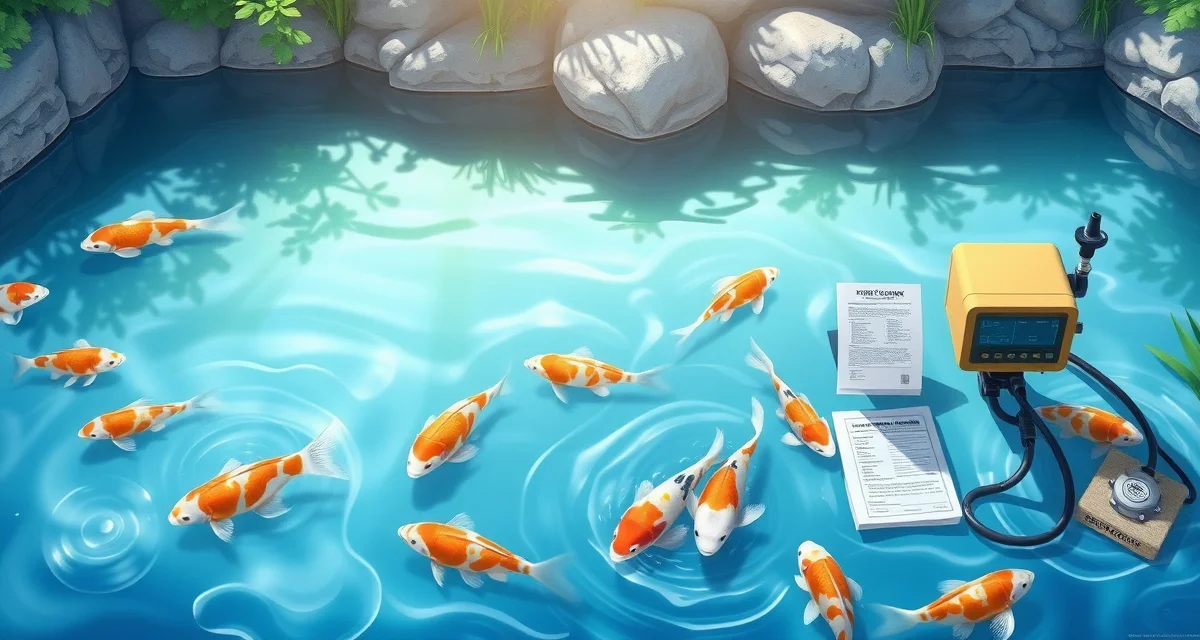
Koi Pond Regulations in Illinois: IDNR Requirements for Dealers and Hobbyists
Illinois classifies koi as a restricted species under its Wildlife Code, requiring dealers to obtain aquaculture dealer licenses. Illinois koi dealers who rely on informal knowledge of IDNR rules face compliance gaps that can surface unexpectedly during inspections. The Illinois Wildlife Code's classification of koi as a restricted species means that commercial dealings with koi require specific licensing, and the documentation requirements that come with that licensing are detailed.
KoiQuanta's Illinois IDNR compliance checklist pre-loads all dealer permit and koi quarantine program documentation requirements for Illinois koi businesses. Your daily management records in KoiQuanta satisfy IDNR requirements by default.
TL;DR
- Consistent water quality monitoring is the most effective way to prevent problems with koi pond regulations in illinois.
- Tracking trends over time reveals issues before they become visible in fish behavior.
- KoiQuanta connects observations, water data, and treatment records in one searchable history.
- Early detection based on parameter trends reduces treatment costs and fish stress.
- Seasonal changes require adjusted monitoring schedules; automated reminders help maintain consistency.
Illinois IDNR Regulatory Framework
The Illinois Department of Natural Resources (IDNR) regulates koi under the Wildlife Code's restricted species provisions. Key requirements for Illinois koi dealers:
Aquaculture dealer license. Commercial koi dealers in Illinois must hold an IDNR aquaculture dealer license before importing or selling koi. The license application requires documentation of facility compliance with IDNR standards, including containment requirements and health record-keeping commitments.
Health certifications. Imported koi must have valid health certifications from the state of origin. IDNR health certification requirements cover koi herpesvirus and spring viremia of carp screening, the two diseases of greatest concern under Illinois's aquatic invasive species framework.
Quarantine records. Illinois requires licensed dealers to maintain quarantine records documenting the isolation period, health observations, and release criteria for all imported fish. Records must be available for IDNR inspection.
Federal requirements. Federal USDA APHIS requirements apply in addition to Illinois state requirements. The koi dealer import compliance guide covers the federal framework.
Hobbyist Considerations in Illinois
Illinois koi hobbyists keeping fish in properly contained backyard ponds for personal enjoyment generally don't need an aquaculture dealer license. The dealer license requirement applies to commercial sales. However, hobbyists should be aware that:
- Releasing koi into Illinois public waterways is prohibited
- Illinois ponds with drainage connections to natural waters may face scrutiny if koi escape
- Selling or trading koi without an aquaculture dealer license puts hobbyists in violation of the Wildlife Code
KoiQuanta's koi dealer software for Illinois page covers dealer management alongside compliance requirements.
Related Articles
FAQ
What is Koi Pond Regulations in Illinois: IDNR Requirements for Dealers and Hobbyists?
Illinois koi pond regulations under the IDNR framework classify koi as a restricted species within the state's Wildlife Code. This means both commercial dealers and serious hobbyists must understand specific licensing, documentation, and quarantine requirements. The regulations govern how koi are bought, sold, transported, and kept in Illinois, with the goal of protecting native aquatic ecosystems from invasive species and disease transmission.
How much does Koi Pond Regulations in Illinois: IDNR Requirements for Dealers and Hobbyists cost?
There is no fee to understand or comply with Illinois IDNR koi regulations themselves — compliance is a legal obligation, not a paid service. However, aquaculture dealer licenses carry application fees set by the IDNR. Tools like KoiQuanta, which help dealers and hobbyists maintain compliant records automatically, offer subscription-based pricing that offsets the administrative cost of staying inspection-ready.
How does Koi Pond Regulations in Illinois: IDNR Requirements for Dealers and Hobbyists work?
Illinois IDNR koi regulations work by requiring dealers to obtain an aquaculture dealer license, maintain detailed transaction and health records, and follow quarantine protocols for new fish. Inspections can occur, so documentation must be current and organized. KoiQuanta streamlines this by automatically formatting water quality logs, treatment records, and fish inventory data to meet IDNR documentation standards by default.
What are the benefits of Koi Pond Regulations in Illinois: IDNR Requirements for Dealers and Hobbyists?
Staying compliant with Illinois koi pond regulations protects your business from fines, license suspension, or fish seizure during IDNR inspections. For hobbyists, understanding the rules prevents accidental violations when purchasing or transporting koi. Compliance also supports healthier fish through structured water quality monitoring and quarantine practices, which reduce disease risk and long-term losses — both financial and in fish welfare.
Who needs Koi Pond Regulations in Illinois: IDNR Requirements for Dealers and Hobbyists?
Any Illinois-based koi dealer, aquaculture business, or commercial pond operator who buys, sells, or trades koi needs to comply with IDNR aquaculture licensing requirements. Serious hobbyists who acquire fish regularly or keep large collections should also understand the rules to avoid unintentional violations. Anyone importing koi from out of state faces additional documentation requirements tied to health certifications and quarantine protocols.
How long does Koi Pond Regulations in Illinois: IDNR Requirements for Dealers and Hobbyists take?
Obtaining an Illinois aquaculture dealer license takes several weeks depending on IDNR processing times, so applications should be submitted well before commercial operations begin. Ongoing compliance is continuous — daily water quality logs, transaction records, and quarantine documentation must be maintained year-round. Quarantine periods for new koi typically run 30 days. Using management software like KoiQuanta reduces the daily time burden to minutes.
What should I look for when choosing Koi Pond Regulations in Illinois: IDNR Requirements for Dealers and Hobbyists?
When evaluating how to manage Illinois IDNR koi compliance, look for a system that covers record-keeping for water parameters, fish health treatments, and inventory transactions in one place. Prioritize tools that are pre-configured for IDNR documentation formats so records are inspection-ready without manual reformatting. Also confirm the solution supports quarantine tracking and sends automated reminders for seasonal monitoring schedule adjustments.
Is Koi Pond Regulations in Illinois: IDNR Requirements for Dealers and Hobbyists worth it?
For any Illinois koi dealer or high-volume hobbyist, understanding and maintaining IDNR compliance is absolutely worth the effort. The cost of non-compliance — fines, license loss, or fish seizure — far exceeds the time invested in proper record-keeping. Tools like KoiQuanta make compliance a byproduct of normal daily management rather than a separate burden, making it both practical and cost-effective to stay fully compliant.
Sources
- Associated Koi Clubs of America (AKCA)
- Koi Organisation International (KOI)
- University of Florida IFAS Extension Aquaculture Program
- Fish Vet Group
- Water Quality Association