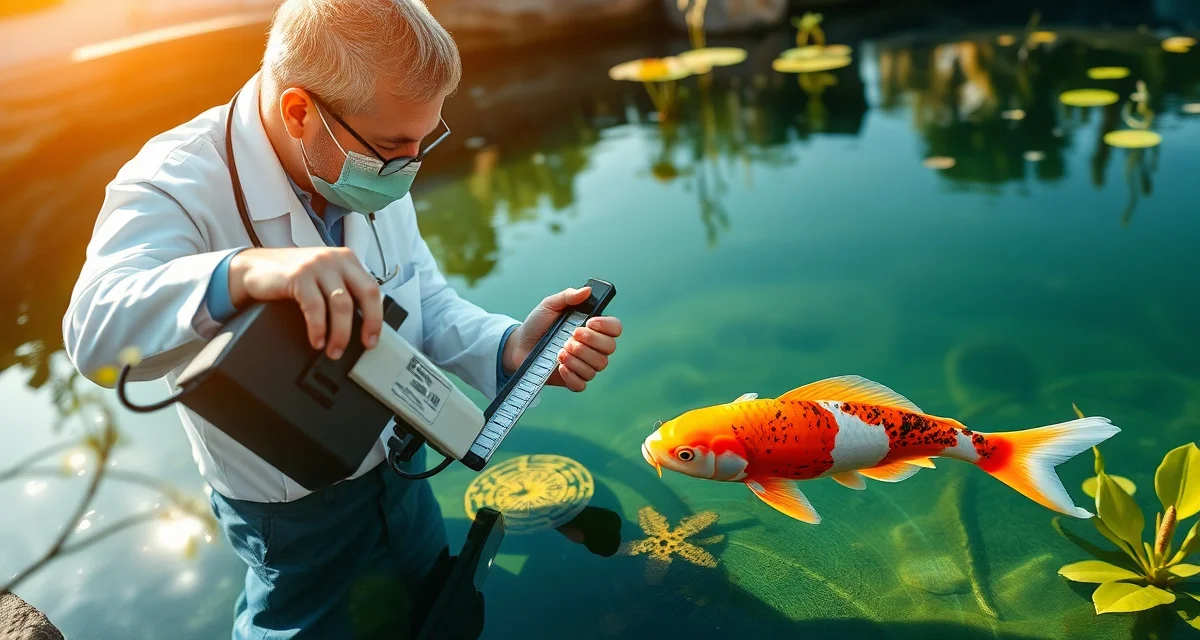
Koi Pond Regulations in California: What Hobbyists and Dealers Need to Know
California prohibits the import of certain koi varieties without a CDFA Restricted Species Permit to protect native fisheries. This applies not just to commercial dealers, but to hobbyists ordering koi online or bringing fish in from other states. Many California koi keepers discover this rule only after making a purchase, which creates an uncomfortable situation.
California is the largest koi import market in the US, handling over 30% of all domestic koi imports annually. The volume of koi moving through California means the California Department of Food and Agriculture (CDFA) takes aquatic species import regulations seriously, with an active inspection and enforcement program that dealers and serious hobbyists should understand before they make any purchases.
TL;DR
- California is the largest koi import market in the US, handling over 30% of all domestic koi imports annually.
- Tracking trends over time reveals issues before they become visible in fish behavior.
- KoiQuanta connects observations, water data, and treatment records in one searchable history.
- Early detection based on parameter trends reduces treatment costs and fish stress.
- Seasonal changes require adjusted monitoring schedules; automated reminders help maintain consistency.
What CDFA Regulates for Koi
CDFA's Division of Animal Industry oversees the importation of live aquatic animals under California Food and Agricultural Code provisions. Koi are classified as a restricted species because, if introduced into California's waterways, they could compete with or displace native fish populations.
The restrictions don't mean koi are prohibited in California. They mean the importation process requires documentation. Key requirements include:
Import permits: Any person or business bringing koi into California from another state or country must obtain a CDFA Restricted Species Permit. This applies to commercial dealers and, in some cases, to individual hobbyists purchasing koi from out-of-state sources.
Health certification: Imported koi must be accompanied by a health certificate issued by an accredited veterinarian or state fish health authority in the source state. California CDFA inspectors at major entry points check for these documents.
Quarantine requirements: CDFA may impose quarantine conditions on imported lots, particularly those from sources where aquatic disease alerts are active.
Hobbyist Implications
If you're ordering koi from an online retailer outside California, you need to verify two things before purchase: that the shipper holds or that you can obtain the necessary California import permit, and that fish will arrive with the required health certification documents.
Many established koi importers who regularly ship to California are already familiar with these requirements and include appropriate documentation automatically. Buying from a seller unfamiliar with California's rules risks receiving fish that lack proper documentation, which creates compliance liability for you as the buyer.
The dealer import compliance guide provides a detailed overview of California requirements alongside USDA federal obligations.
What Varieties Are Restricted?
CDFA's restricted species list focuses primarily on wild-type fish that could establish reproducing populations in California's natural waterways. Commercially bred koi varieties are generally permitted with proper documentation. The concern is not with pond-raised koi varieties specifically but with ensuring all imports go through a documented pathway with health screening.
Check the current CDFA Restricted Species list directly, as specific permit requirements can change. The quarantine documentation hub explains the record-keeping approach for California compliance.
KoiQuanta for California Compliance
KoiQuanta's dealer onboarding workflow includes a California-specific import regulation checklist that covers CDFA permit requirements, quarantine mandates, and health certification documentation. For dealers managing multiple import lots, the quarantine record system generates CDFA-compatible documentation automatically as fish are processed through the quarantine protocol.
Frequently Asked Questions
Do I need a permit to import koi to California?
Yes. Any person or business importing koi into California from another state or country needs to comply with CDFA Restricted Species Permit requirements. Commercial dealers must hold a current permit and maintain it in good standing. Individual hobbyists ordering koi shipped from out of state should verify that the selling dealer can provide California-compliant health certification documentation with the shipment. Receiving non-compliant shipments can result in the fish being seized.
What koi are illegal to own in California?
California law prohibits the release of any koi or other non-native fish into California's natural waterways, ponds, lakes, or rivers. Owning koi in a private pond with proper documentation is not prohibited. The key restrictions are around importation (requiring permits and health certificates) and release into natural bodies of water (which is illegal regardless of documentation). Certain hybrid varieties or fish from disease-affected regions may face additional import restrictions depending on current CDFA alerts.
How do I comply with CDFA koi import rules?
Contact CDFA's Division of Animal Industry to obtain or verify the current requirements for a Restricted Species Permit. When purchasing koi from out-of-state sellers, request health certification documents issued by an accredited vet or state fish health authority in the source state before the shipment is made. Keep all permit and health certification documentation with your fish purchase records. If you're a dealer, KoiQuanta's California compliance checklist walks through every required step at dealer account setup.
What is Koi Pond Regulations in California: What Hobbyists and Dealers Need to Know?
California koi pond regulations refer to the state rules governing the import, sale, and keeping of koi fish, enforced primarily by the California Department of Food and Agriculture (CDFA). California prohibits importing certain koi varieties without a Restricted Species Permit to protect native fisheries. These rules apply to both commercial dealers and hobbyists ordering fish online or transporting koi across state lines. California handles over 30% of all domestic koi imports, making compliance especially important in this market.
How much does Koi Pond Regulations in California: What Hobbyists and Dealers Need to Know cost?
There is no direct cost to understanding California koi pond regulations, but non-compliance can be expensive. Importing restricted koi species without a CDFA permit can result in fines, fish confiscation, and legal penalties. A Restricted Species Permit itself involves an application process and associated fees. Factoring in compliance costs upfront—permits, certified suppliers, proper documentation—is far cheaper than facing enforcement action after an unpermitted import.
How does Koi Pond Regulations in California: What Hobbyists and Dealers Need to Know work?
California's koi import regulations work through a permitting system administered by the CDFA. Before importing certain koi varieties into California, hobbyists and dealers must obtain a Restricted Species Permit. The CDFA runs an active inspection and enforcement program, meaning shipments can be checked at the point of entry. Purchasing from suppliers who are already CDFA-compliant and ship with proper health certificates is the safest way to stay within the law.
What are the benefits of Koi Pond Regulations in California: What Hobbyists and Dealers Need to Know?
Understanding California koi regulations protects you from unexpected fines, fish confiscation, and legal headaches. Compliance also supports healthier native fisheries by preventing the introduction of disease or invasive species. For dealers, operating within the rules builds customer trust and ensures business continuity. For hobbyists, knowing the regulations before purchasing online or out of state prevents the frustrating—and costly—experience of receiving fish you legally cannot keep.
Who needs Koi Pond Regulations in California: What Hobbyists and Dealers Need to Know?
Anyone keeping koi in California needs to understand these regulations, but they are especially critical for commercial dealers, importers, and serious hobbyists who source fish from out of state or internationally. If you regularly order koi online, attend fish auctions in other states, or plan to expand your collection with rarer varieties, you are likely subject to CDFA import rules and should verify permit requirements before making any purchase.
How long does Koi Pond Regulations in California: What Hobbyists and Dealers Need to Know take?
Obtaining a CDFA Restricted Species Permit is not instantaneous—the application process can take several weeks, so planning ahead is essential. For individual shipments, verifying supplier compliance and securing proper documentation should happen before any purchase is finalized. Hobbyists and dealers who build compliance into their sourcing process from the start avoid last-minute delays and the risk of fish being held or destroyed at the point of inspection.
What should I look for when choosing Koi Pond Regulations in California: What Hobbyists and Dealers Need to Know?
When navigating California koi regulations, look for suppliers who are already CDFA-compliant and provide valid health certificates with every shipment. Verify that the specific koi varieties you want are not on California's restricted list before ordering. Work with dealers experienced in interstate or international koi shipping who understand documentation requirements. Consulting the CDFA website directly or speaking with a licensed aquatic veterinarian can also help clarify your specific situation.
Is Koi Pond Regulations in California: What Hobbyists and Dealers Need to Know worth it?
Yes—taking California koi regulations seriously is absolutely worth it. The consequences of non-compliance, including fish confiscation and fines, far outweigh the effort of getting properly permitted or sourcing from compliant dealers. For serious hobbyists investing significant money in high-quality koi, protecting that investment through legal compliance is simply good practice. Understanding the rules also gives you confidence when buying, selling, or expanding your pond collection within California.
Related Articles
- Koi Pond Regulations in Illinois: IDNR Requirements for Dealers and Hobbyists
- Koi Pond Regulations in Texas: TPWD Rules for Koi Dealers and Hobbyists
Sources
- Associated Koi Clubs of America (AKCA)
- Koi Organisation International (KOI)
- University of Florida IFAS Extension Aquaculture Program
- Fish Vet Group
- Water Quality Association