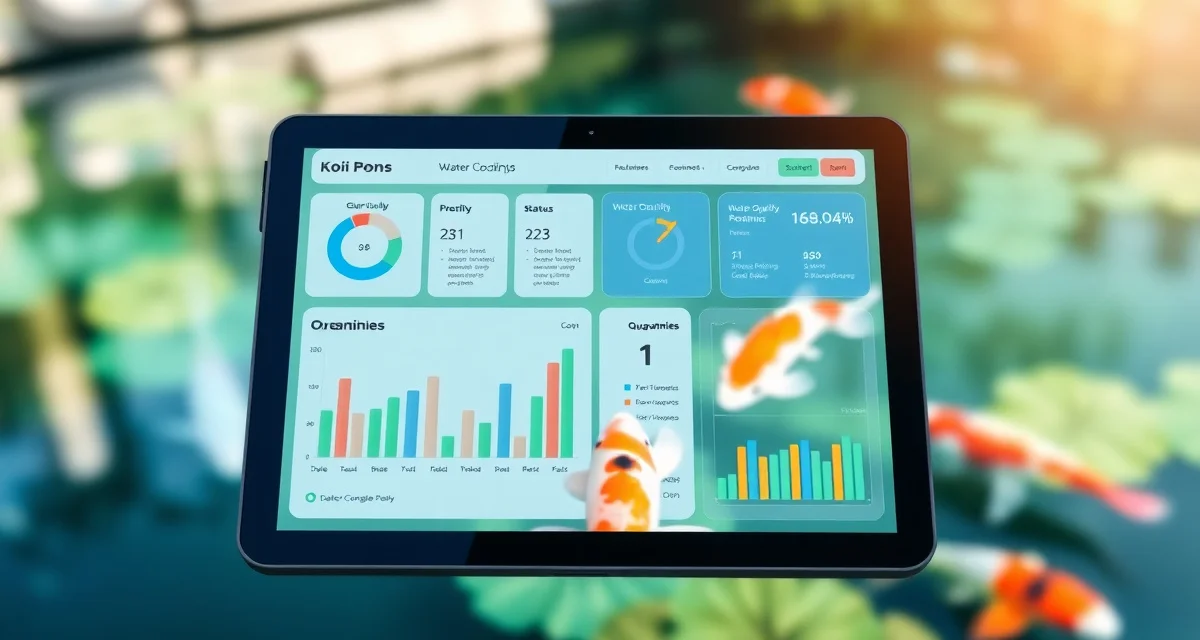
Koi Dealer Software for Washington State: PNW Compliance and Quarantine Management
Washington State has some of the most rigorous non-native species import regulations in the country. The Washington Department of Fish and Wildlife (WDFW) operates under aggressive Aquatic Invasive Species rules that treat any live non-native fish import, including koi, as a potential pathway for introduced diseases and ecosystem disruption.
For koi dealers in Washington, this means that paper-based record systems aren't just inconvenient. They're a genuine compliance liability. WDFW spot inspections can occur with minimal advance notice, and inspectors routinely cite dealers for missing or incomplete quarantine documentation. A paper log that looks complete from the outside can still fail inspection if it's missing specific data fields, has inconsistent entries, or lacks proper dating.
TL;DR
- WDFW spot inspections can happen with 24-48 hours notice or less in some cases.
- Tracking trends over time reveals issues before they become visible in fish behavior.
- KoiQuanta connects observations, water data, and treatment records in one searchable history.
- Early detection based on parameter trends reduces treatment costs and fish stress.
- Seasonal changes require adjusted monitoring schedules; automated reminders help maintain consistency.
WDFW Koi Import Requirements
Washington State WDFW has banned the import of live non-native fish without prior approval under its Aquatic Invasive Species program. Koi dealers need a WDFW Aquatic Invasive Species permit and must obtain import approval for each shipment. Each approved lot requires documented quarantine, health certification from the source state or country, and evidence of disease screening before fish are moved to display or retail holding.
WDFW inspectors look for a complete lot-by-lot documentation trail: import permit reference numbers, health certificate copies, quarantine dates, koi pond water quality tracker records, any disease findings and treatments, and clearance documentation. The record must be consistent and complete, not just present.
KoiQuanta's Washington-specific compliance checklist pre-loads the WDFW-specific fields and documentation requirements into each new quarantine lot, so no required data category gets missed. The dealer import compliance guide covers the full Washington and federal USDA requirements.
Pacific Northwest Quarantine Conditions
Washington's climate creates its own quarantine management challenges. Western Washington receives heavy rainfall, which affects pond chemistry through dilution. Outdoor holding ponds may see notable parameter shifts after rain events, which affects both fish health and the consistency of water quality records.
KoiQuanta's rainfall impact tracking correlates precipitation data with parameter readings. When heavy rain coincides with a parameter shift, the record shows the likely cause rather than leaving an unexplained anomaly. This is important for compliance purposes: an unexplained parameter change in a quarantine record can raise questions that a clearly attributed one doesn't.
Eastern Washington's continental climate brings a different set of challenges, with colder winters and hotter summers than the coast. KoiQuanta's seasonal protocols adjust monitoring recommendations for each climate zone.
Instant Audit Export
One practical capability that Washington dealers value specifically is the instant audit export. WDFW spot inspections can happen with 24-48 hours notice or less in some cases. Dealers using paper records spend that window pulling files, organizing documentation, and hoping everything is findable.
KoiQuanta generates a complete, structured compliance report for any lot or date range in under a minute. Every required data field is populated from the logs entered during routine quarantine management. The report is formatted for regulatory review, not just internal reference.
The quarantine documentation hub explains the export format and what information is included.
Frequently Asked Questions
What are Washington State koi import requirements?
Washington WDFW requires koi dealers to obtain an Aquatic Invasive Species import permit and to secure lot-specific import approval before bringing koi into the state. Each lot must be accompanied by health certification from the source state or country-of-origin veterinary authority. A documented quarantine period with water quality records, disease screening, and clearance documentation is required before fish are sold or moved to display holding.
How do I manage koi quarantine in the Pacific Northwest climate?
Western Washington's heavy rainfall affects pond chemistry through dilution. Monitor water quality more frequently after heavy rain events and document any parameter shifts with their likely cause. Eastern Washington's climate requires cold-weather quarantine management similar to other inland states, with dormancy protocols for winter months and spring startup screening. KoiQuanta adjusts monitoring recommendations based on your specific location within the state.
Does KoiQuanta support WDFW compliance documentation?
Yes. KoiQuanta's compliance checklist pre-populates with WDFW-required documentation fields for each quarantine lot. The quarantine record includes permit reference numbers, health certificate documentation, complete quarantine timelines, water quality logs, and treatment records. The instant audit export generates a WDFW-formatted compliance package that dealers can present during inspections without any additional compilation.
What is Koi Dealer Software for Washington State: PNW Compliance and Quarantine Management?
Koi dealer software for Washington State is a digital compliance and quarantine management platform designed to help koi dealers meet WDFW Aquatic Invasive Species regulations. It replaces paper-based record systems with structured digital logs that capture required data fields, quarantine timelines, water parameters, and treatment histories—ensuring dealers are inspection-ready when WDFW spot inspections occur with little or no advance notice.
How much does Koi Dealer Software for Washington State: PNW Compliance and Quarantine Management cost?
KoiQuanta offers tiered pricing based on operation size and feature needs. Costs vary depending on inventory volume, number of users, and compliance modules required. Most dealers find that even entry-level plans pay for themselves quickly by reducing inspection fines, fish losses from undetected health trends, and the labor cost of manually maintaining paper logs. Contact KoiQuanta directly for a quote tailored to your operation.
How does Koi Dealer Software for Washington State: PNW Compliance and Quarantine Management work?
The software works by centralizing all dealer records into one searchable platform. When fish arrive, you log import data, source information, and quarantine start dates. The system tracks water parameters over time, flags parameter trends before problems become visible in fish behavior, and stores treatment records. When WDFW inspects, you can pull complete, timestamped documentation instantly rather than scrambling through paper logs.
What are the benefits of Koi Dealer Software for Washington State: PNW Compliance and Quarantine Management?
Key benefits include inspection-ready documentation at all times, early detection of health issues through parameter trend analysis, automated reminders for seasonal monitoring schedule adjustments, and a single connected history linking observations, water data, and treatments. Dealers report reduced treatment costs, lower fish mortality, and significantly less stress during WDFW spot inspections that can arrive with 24 hours notice or less.
Who needs Koi Dealer Software for Washington State: PNW Compliance and Quarantine Management?
Any licensed koi dealer operating in Washington State who imports live non-native fish needs this type of software. This includes retail koi dealers, wholesale importers, pond installation businesses that resell fish, and hobbyist breeders operating at commercial scale. If WDFW considers your operation subject to Aquatic Invasive Species import rules, paper records put your license and inventory at genuine compliance risk.
How long does Koi Dealer Software for Washington State: PNW Compliance and Quarantine Management take?
Setup typically takes a few hours to a day depending on how much historical data you need to migrate. Ongoing daily use is minimal—logging water parameters and observations takes minutes. Quarantine records populate as fish move through your system. Most dealers are fully operational within their first week and inspection-ready within the first quarantine cycle, usually 21–30 days depending on species and source.
What should I look for when choosing Koi Dealer Software for Washington State: PNW Compliance and Quarantine Management?
Look for WDFW-specific compliance fields, not generic aquaculture templates. Prioritize searchable quarantine records, parameter trend tracking with alerts, and audit-ready export formats. The system should support timestamped entries, user authentication for accountability, and mobile access for logging during facility rounds. Integration with treatment and inventory records matters more than flashy dashboards—inspectors care about completeness, not presentation.
Is Koi Dealer Software for Washington State: PNW Compliance and Quarantine Management worth it?
For Washington State koi dealers, yes. WDFW's aggressive AIS enforcement means incomplete or inconsistent records can result in citations even when your fish are healthy and legally sourced. A single inspection failure can cost more than years of software subscription fees. Beyond compliance, the trend-based health monitoring pays dividends in reduced losses and lower treatment costs, making the investment worthwhile for any operation running more than a few quarantine tanks.
Sources
- Associated Koi Clubs of America (AKCA)
- Koi Organisation International (KOI)
- University of Florida IFAS Extension Aquaculture Program
- Fish Vet Group
- Water Quality Association