Koi Dealer Software for South Dakota: Northern Plains Koi Health Tracking
South Dakota can experience summer temperatures above 40 degrees Celsius and winter temperatures below minus 20 Celsius in the same location. That is one of the widest temperature ranges faced by koi dealers in the continental US. The same pond that requires heat stress management in July can be frozen solid in January. No single seasonal management approach covers South Dakota's range.
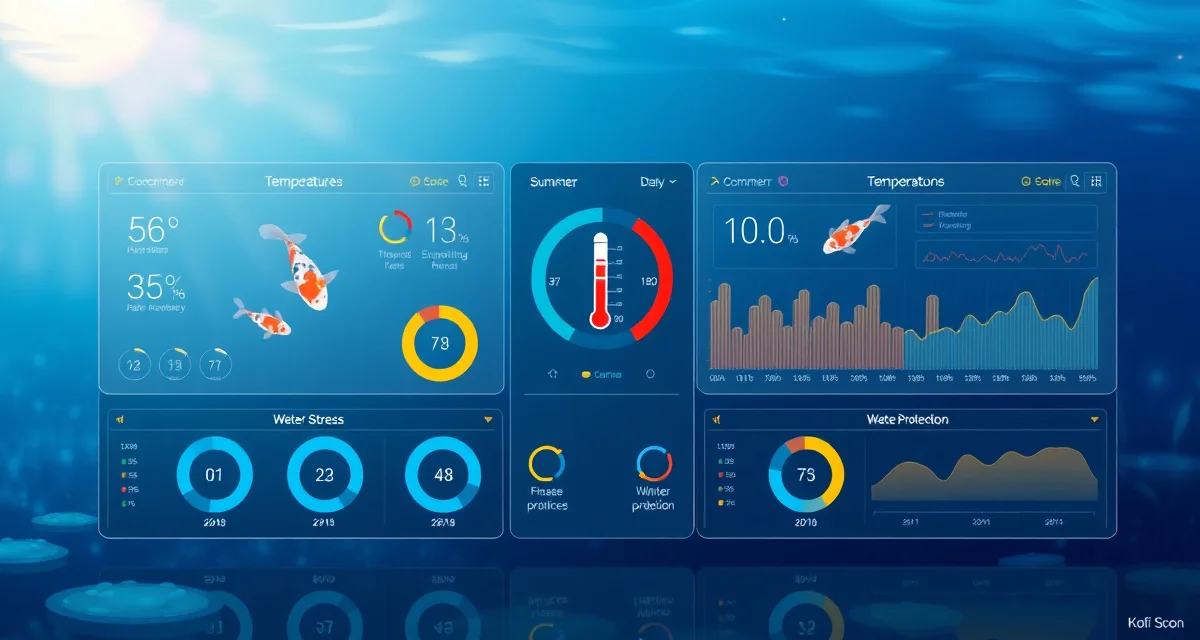
KoiQuanta's automatic seasonal protocol switching transitions South Dakota koi management between summer disease monitoring and winter dormancy protocols without requiring manual reconfiguration. The system adapts as your pond adapts.
TL;DR
- When South Dakota pond temperatures approach and exceed 28 degrees Celsius, heat stress protocols activate in KoiQuanta.
- The spring and fall transition windows carry elevated disease risk as water temperatures move through the pathogen-active 10 to 18 degree Celsius range in both directions.
- Complete all disease treatments before fall temperature drops below 15 degrees Celsius.
- Resume summer management protocols when spring water temperatures stabilize above 15 degrees Celsius.
- Seasonal changes require adjusted monitoring schedules; automated reminders help maintain consistency.
Managing South Dakota's Climate Extremes
South Dakota's Great Plains location gives it an extreme continental climate. The Black Hills region has slightly moderated temperatures. The eastern prairie and Missouri River lowlands face the full range of Great Plains climate extremes.
Summer management priority: heat stress prevention. When South Dakota pond temperatures approach and exceed 28 degrees Celsius, heat stress protocols activate in KoiQuanta. Shade, maximum aeration, and daily monitoring keep fish safe through the hottest weeks. The summer heat stress management guide covers the complete summer management protocol.
Winter management priority: dormancy and ice management. South Dakota winters are severe enough across most of the state to require full dormancy management protocols. Ice management equipment, weekly gas exchange monitoring, and KoiQuanta's dormancy mode keep fish safe through the coldest months. The winter koi dormancy guide covers winter management in detail.
The spring and fall transition windows carry elevated disease risk as water temperatures move through the pathogen-active 10 to 18 degree Celsius range in both directions. South Dakota dealers experience this risk twice per year.
The Automatic Protocol Switching Advantage
Paper logs and generic koi apps can't automatically adjust their management protocols based on current conditions. KoiQuanta can. Here's how it works for South Dakota:
- Water temperature logged above 20 degrees Celsius: Summer active management mode with heat stress monitoring
- Water temperature logged in the 10 to 18 degree Celsius range: Transition season mode with elevated disease risk alerts
- Water temperature logged below 10 degrees Celsius: Fall preparation mode activates
- Water temperature logged below 5 degrees Celsius: Full winter dormancy mode activates
- Water temperature rising back above 10 degrees Celsius in spring: Spring startup mode with disease prevention protocols
Each mode switch adjusts the alert thresholds, monitoring prompts, and management guidance to match current conditions. You're never operating with summer management protocols in winter or vice versa.
SDGFP Compliance for South Dakota Dealers
South Dakota Game, Fish and Parks (SDGFP) regulates aquatic species including koi. South Dakota koi dealers need to comply with SDGFP requirements for non-native species and federal USDA APHIS requirements for imported fish. KoiQuanta generates compliance documentation from daily management data for both regulatory frameworks.
Frequently Asked Questions
How do I manage koi through South Dakota's extreme seasons?
Follow KoiQuanta's seasonal protocol switching, which automatically transitions management guidance between summer heat stress monitoring, transition-season disease prevention, and winter dormancy protocols based on your logged water temperatures. Complete all disease treatments before fall temperature drops below 15 degrees Celsius. Install ice management equipment before the first hard freeze. Resume summer management protocols when spring water temperatures stabilize above 15 degrees Celsius.
What SDGFP requirements apply to koi dealers?
South Dakota koi dealers are subject to SDGFP regulations for non-native aquatic species and need appropriate permits for commercial koi operations. Federal USDA APHIS requirements apply to all imported koi. KoiQuanta generates compliance documentation for both regulatory frameworks.
Does KoiQuanta handle seasonal protocol switching automatically?
Yes. KoiQuanta's automatic seasonal protocol switching adjusts management interface, alert thresholds, and monitoring prompts based on logged water temperatures without any manual configuration required. The transitions between summer active management, spring/fall transition disease prevention, and winter dormancy modes happen automatically as your water temperature data changes.
What is Koi Dealer Software for South Dakota: Northern Plains Koi Health Tracking?
KoiQuanta's koi dealer software for South Dakota is a health tracking platform designed specifically for the Northern Plains climate. It automatically switches between summer heat stress protocols and winter dormancy management, addressing South Dakota's extreme temperature swings—from above 40°C in summer to below -20°C in winter. The system monitors pond conditions year-round and adapts management recommendations without requiring manual reconfiguration from dealers.
How much does Koi Dealer Software for South Dakota: Northern Plains Koi Health Tracking cost?
KoiQuanta offers tiered pricing based on pond inventory size and feature set. Exact pricing is available directly through KoiQuanta's website. Given the operational savings from automated seasonal protocol switching, reduced disease losses during high-risk spring and fall transition windows, and eliminated manual monitoring errors, most South Dakota dealers find the subscription cost offset by healthier fish and lower mortality rates.
How does Koi Dealer Software for South Dakota: Northern Plains Koi Health Tracking work?
KoiQuanta continuously monitors water temperature and automatically activates the appropriate protocol for current conditions. When temperatures approach 28°C, heat stress management engages. During the 10–18°C pathogen-active window each spring and fall, elevated disease monitoring kicks in. In winter, dormancy protocols take over. Automated reminders keep dealers on schedule throughout each seasonal transition without manual intervention.
What are the benefits of Koi Dealer Software for South Dakota: Northern Plains Koi Health Tracking?
The primary benefits include automated seasonal switching that eliminates manual reconfiguration, reduced disease losses during the high-risk spring and fall transition windows, timely alerts to complete treatments before water drops below 15°C in fall, and consistent monitoring reminders year-round. For South Dakota dealers managing one of the widest temperature ranges in the continental US, this consistency directly protects fish health and inventory value.
Who needs Koi Dealer Software for South Dakota: Northern Plains Koi Health Tracking?
Any koi dealer, pond keeper, or aquaculture operation in South Dakota or similarly extreme Northern Plains climates benefits from this software. It is especially valuable for operations managing large inventories where missing a seasonal protocol transition can result in significant losses. Hobbyists with valuable koi collections who struggle to maintain consistent year-round care schedules also benefit from the automated reminder and monitoring systems.
How long does Koi Dealer Software for South Dakota: Northern Plains Koi Health Tracking take?
Initial setup typically takes a few hours to configure pond parameters and connect monitoring data. Once running, the software operates continuously with minimal time investment—automated alerts and protocol switching handle the heavy lifting. Seasonal transitions are managed automatically. Dealers generally spend a few minutes reviewing alerts and following prompted actions rather than manually tracking temperature thresholds and reconfiguring management plans.
What should I look for when choosing Koi Dealer Software for South Dakota: Northern Plains Koi Health Tracking?
Look for automatic seasonal protocol switching tailored to extreme temperature ranges, disease monitoring that specifically targets the 10–18°C pathogen-active window, fall treatment deadline alerts, spring resumption prompts, and adjustable monitoring schedules. South Dakota's climate demands software built for wide temperature variance, not generic koi management tools. Ensure the platform supports dormancy protocols for prolonged sub-zero winters alongside summer heat stress management.
Is Koi Dealer Software for South Dakota: Northern Plains Koi Health Tracking worth it?
For South Dakota koi dealers, yes. The climate presents one of the most challenging environments for koi keeping in the US, and manual seasonal management is error-prone. Missing the fall treatment window or failing to activate heat stress protocols at 28°C can result in significant fish losses. KoiQuanta's automated approach reduces those risks consistently across seasons, making it a practical investment for any serious dealer or collector in the region.
Related Articles
- Koi Dealer Software for Kansas: Plains Climate Koi Health Management
- Koi Dealer Software for Wyoming: High Plains Koi Health Management
Sources
- Associated Koi Clubs of America (AKCA)
- Koi Organisation International (KOI)
- University of Florida IFAS Extension Aquaculture Program
- Fish Vet Group
- Water Quality Association