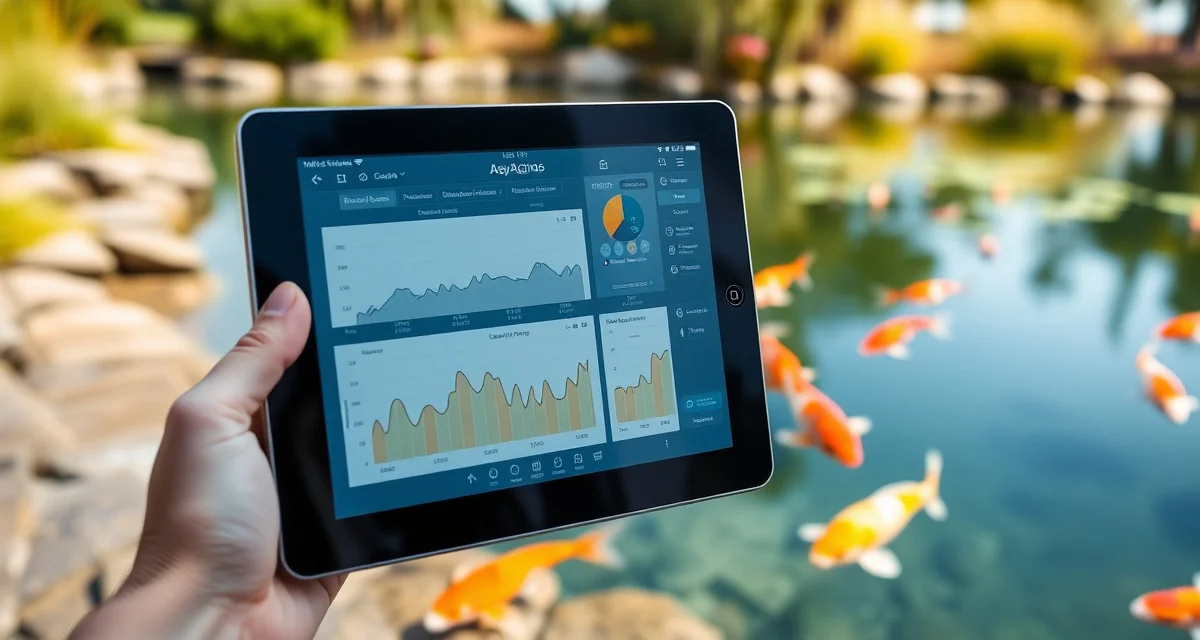
Koi Dealer Software for South Carolina: Coastal and Inland Koi Management
South Carolina coastal koi ponds face elevated evaporation and potential salt spray contamination not seen in inland pond environments. South Carolina koi dealers and hobbyists don't all face the same management challenges. A dealer in Columbia's inland Midlands has different concerns than a dealer operating near Charleston's coast. Coastal proximity creates water chemistry dynamics that generic koi management guides simply don't address.
KoiQuanta's coastal pond management guide covers the salinity and humidity factors that affect koi health near the South Carolina coast, giving coastal dealers tools that inland-focused apps don't provide.
TL;DR
- Consistent water quality monitoring is the most effective way to prevent problems with koi dealer software for south carolina.
- Tracking trends over time reveals issues before they become visible in fish behavior.
- KoiQuanta connects observations, water data, and treatment records in one searchable history.
- Early detection based on parameter trends reduces treatment costs and fish stress.
- Seasonal changes require adjusted monitoring schedules; automated reminders help maintain consistency.
Coastal Challenges for South Carolina Koi Ponds
Coastal South Carolina koi ponds face a specific set of challenges related to their proximity to tidal zones and the Atlantic Ocean:
Salt spray. Wind-driven salt spray from ocean and tidal areas can deposit trace amounts of sodium chloride on pond surfaces and in pond water over time. This is generally a minor effect compared to intentional salt dose calculator, but it can slowly elevate background salinity in exposed coastal ponds. KoiQuanta's coastal monitoring tracks background salinity trends in exposed pond environments.
High evaporation from coastal heat and humidity. South Carolina coastal humidity moderates some evaporative concentration compared to desert climates, but the warm coastal temperatures still drive significant evaporation during summer months.
Storm surge and flooding risk. Coastal South Carolina ponds near sea level face flooding risk during hurricane season. A storm surge event or heavy tropical rainfall can introduce salt water, runoff, and debris that require immediate water chemistry assessment and correction.
Disease Management in South Carolina's Climate
South Carolina's warm subtropical climate creates extended bacterial disease pressure from spring through fall. The summer heat stress management guide covers the heat management strategies needed during South Carolina's hot summers.
For inland South Carolina dealers, the disease management calendar closely resembles neighboring Georgia and North Carolina, with peak bacterial pressure in summer and transition window disease risk in spring and fall.
Compliance for South Carolina Dealers
South Carolina koi dealers are subject to SCDNR regulations for aquatic species and federal USDA APHIS requirements for imported koi. KoiQuanta's compliance module generates documentation for both regulatory frameworks from daily management data. The koi pond water quality tracker provides the ongoing water quality data that supports both operational management and compliance documentation.
Frequently Asked Questions
How does coastal humidity affect koi pond chemistry in South Carolina?
Coastal humidity moderates evaporative concentration compared to drier inland climates, but coastal pond exposure to salt spray can slowly accumulate background salinity in ponds near the coast. Storm events can introduce salt water or runoff in acute episodes. KoiQuanta's coastal monitoring tracks background salinity trends and generates alerts when post-storm water chemistry shows significant deviation from baseline.
What koi regulations apply in South Carolina?
South Carolina koi dealers are subject to SCDNR aquatic species regulations and federal USDA APHIS requirements for all imported koi. Health certifications, quarantine records, and treatment histories are required. KoiQuanta generates compliance documentation from daily management data for both regulatory frameworks.
Does KoiQuanta support coastal koi pond management?
Yes. KoiQuanta's coastal pond management module covers the salinity monitoring, storm recovery protocols, and humidity-adjusted parameter tracking that coastal South Carolina ponds need. The coastal configuration addresses the specific challenges of sea spray exposure, storm flooding risk, and the humidity-modified evaporation patterns of the South Carolina coast.
What is Koi Dealer Software for South Carolina: Coastal and Inland Koi Management?
KoiQuanta is a pond management platform designed to help South Carolina koi dealers and hobbyists track water quality, treatment records, and fish health over time. It addresses region-specific challenges like coastal salinity fluctuations and inland Midlands temperature swings, giving both Columbia and Charleston-area dealers tools tailored to their distinct environments rather than generic one-size-fits-all guidance.
How much does Koi Dealer Software for South Carolina: Coastal and Inland Koi Management cost?
KoiQuanta offers tiered pricing to fit hobbyists and commercial dealers alike. Visit KoiQuanta.com for current plan details and any South Carolina regional promotions. Many users find the cost offset quickly by reduced fish loss and treatment expenses, since early detection of parameter trends prevents the costly interventions that come with reactive pond management.
How does Koi Dealer Software for South Carolina: Coastal and Inland Koi Management work?
KoiQuanta works by centralizing water test results, treatment logs, and fish observations into a single searchable history. Users log parameters like pH, salinity, ammonia, and temperature on a schedule. The platform identifies trends, sends automated reminders for seasonal adjustments, and flags deviations before they affect fish health, connecting data points that paper logs and generic apps typically keep separate.
What are the benefits of Koi Dealer Software for South Carolina: Coastal and Inland Koi Management?
Key benefits include early problem detection through trend analysis, reduced treatment costs, less fish stress, and consistent monitoring supported by automated reminders. For coastal South Carolina dealers, KoiQuanta specifically addresses salinity and humidity dynamics. Inland dealers benefit from seasonal scheduling tools. Both gain a complete, auditable record useful for diagnosing recurring issues and demonstrating care standards to customers.
Who needs Koi Dealer Software for South Carolina: Coastal and Inland Koi Management?
South Carolina koi dealers, pond installers, and serious hobbyists throughout the state benefit most. Coastal operators near Charleston dealing with salt spray and evaporation challenges will find region-specific guidance unavailable in generic apps. Inland Midlands dealers in Columbia and surrounding areas benefit from consistent tracking tools that surface seasonal water chemistry shifts before they become visible fish health problems.
How long does Koi Dealer Software for South Carolina: Coastal and Inland Koi Management take?
Setup takes most users under an hour. Ongoing data entry per monitoring session is typically five to ten minutes. The time investment is front-loaded in establishing your pond profiles and baseline parameters. After that, automated reminders maintain your schedule, and the platform's trend analysis does the analytical heavy lifting, making consistent monitoring sustainable even for busy commercial dealers managing multiple ponds.
What should I look for when choosing Koi Dealer Software for South Carolina: Coastal and Inland Koi Management?
Look for software that handles your specific regional water chemistry challenges, not just generic koi care checklists. Prioritize trend tracking over single-point alerts, since problems develop gradually. Ensure the platform connects water data, treatment records, and fish observations in one place. For South Carolina dealers, coastal salinity management support and seasonal reminder customization are features that distinguish purpose-built tools from general pond apps.
Is Koi Dealer Software for South Carolina: Coastal and Inland Koi Management worth it?
For South Carolina koi dealers managing coastal salinity dynamics or inland seasonal fluctuations, KoiQuanta is worth it. The platform pays for itself when early trend detection prevents a single significant fish loss or disease outbreak. Consistent records also build customer confidence and simplify troubleshooting. Dealers who previously relied on paper logs or disconnected apps typically see measurable improvements in water quality consistency within the first season.
Related Articles
Sources
- Associated Koi Clubs of America (AKCA)
- Koi Organisation International (KOI)
- University of Florida IFAS Extension Aquaculture Program
- Fish Vet Group
- Water Quality Association