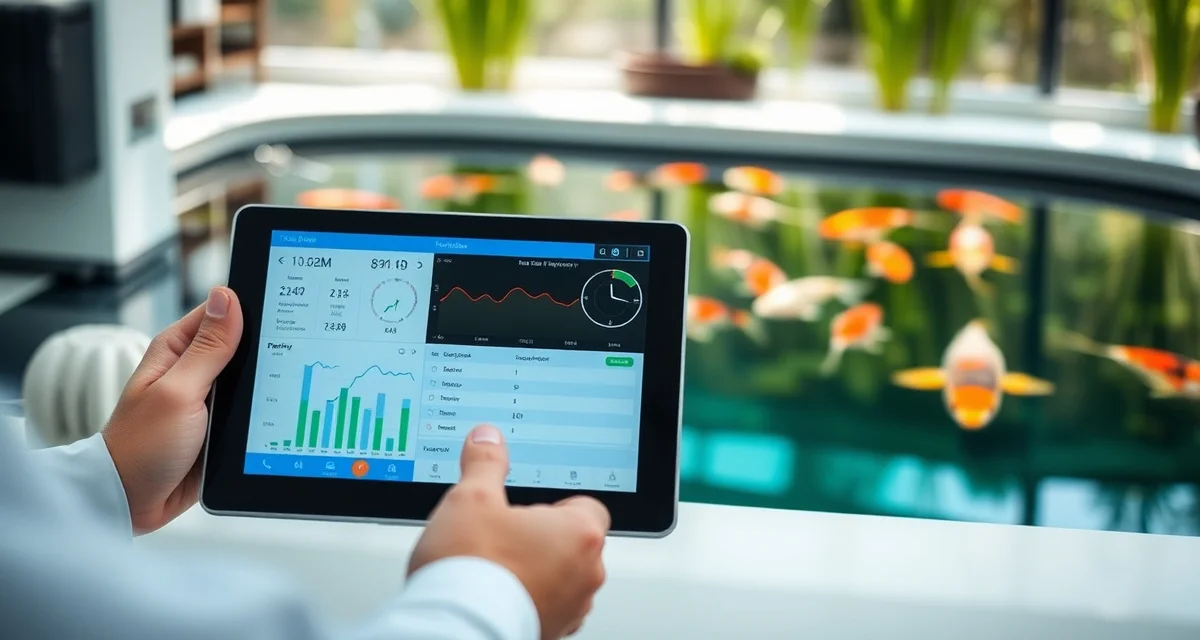
Koi Dealer Software for Alabama: Southern Climate Koi Management
Alabama's subtropical climate means koi ponds rarely drop below parasite-active temperatures, requiring year-round vigilance. Unlike dealers in northern states who get a natural winter reset as cold water suppresses parasite activity, Alabama dealers are dealing with active parasites in December and February. Paper logs and memory aren't built for that kind of continuous pressure.
KoiQuanta's year-round disease pressure calendar for Alabama is pre-loaded to flag parasite activity peaks in every month of the year. You always know which pathogens are in their active range based on your current water temperature.
TL;DR
- Water below 10 degrees Celsius suppresses Costia, Trichodina, and most bacterial pathogens.
- Even in a cold Alabama January, pond water may stay above 12 to 15 degrees Celsius.
- KoiQuanta connects observations, water data, and treatment records in one searchable history.
- Early detection based on parameter trends reduces treatment costs and fish stress.
- Seasonal changes require adjusted monitoring schedules; automated reminders help maintain consistency.
Year-Round Disease Management in Alabama
In most US climates, winter provides a natural reduction in parasite activity. Water below 10 degrees Celsius suppresses Costia, Trichodina, and most bacterial pathogens. Alabama water rarely hits those temperatures consistently. Even in a cold Alabama January, pond water may stay above 12 to 15 degrees Celsius. Parasites remain active. Bacterial disease pressure continues. Your monitoring schedule has to match this reality.
KoiQuanta's Alabama-specific disease calendar shows which pathogens are in their peak activity range by month, based on average Alabama water temperatures. The calendar is a starting point. Your actual logged water temperatures in KoiQuanta generate the active pathogen risk scoring in real time, so on a warm February day when your pond is at 18 degrees Celsius, the dashboard shows you the current risk profile rather than an average estimate.
Quarantine Scheduling for Alabama Dealers
Quarantine management in Alabama's warm climate has one significant advantage: water temperatures support faster fish recovery and stronger immune function year-round compared to cold-climate dealers who are trying to complete quarantine in 50-degree water. But the continuous disease pressure means quarantine observation has to be consistent.
KoiQuanta's quarantine module schedules daily and weekly observation prompts throughout the quarantine period. For Alabama dealers, the parasite observation checklist is active year-round, not just during the summer months. Every new arrival goes through the same structured quarantine protocol regardless of the season.
For detailed compliance documentation guidance, the koi dealer import compliance guide covers federal and state record requirements that apply to Alabama koi dealers.
Compliance Records for Alabama Dealers
Alabama koi dealers need to maintain health records and quarantine documentation for all imported fish. The Alabama DCNR does not maintain the same level of species-specific regulation as some northern states, but federal USDA APHIS requirements for imported koi apply regardless of state.
KoiQuanta generates compliance-ready documentation from your daily management data. Every quarantine entry, water quality test, and treatment record is timestamped and stored in the cloud, accessible for inspection at any time. You don't need to keep separate paper records for compliance purposes.
The seasonal water quality changes guide covers how water chemistry management changes across Alabama's seasonal cycle, including the nuances of managing water quality when temperature never drops low enough to suppress parasite activity completely.
Managing Water Quality in Alabama's Warm Climate
Alabama's warm water temperatures mean higher dissolved oxygen demand from fish and beneficial bacteria, faster ammonia processing in biological filters, and higher rates of algae growth. Each of these requires monitoring adjustments compared to what northern dealers manage.
KoiQuanta's water quality tracker logs all parameter tests with timestamps and generates trend charts that show seasonal patterns. Over time, you'll see how your Alabama pond chemistry cycles through the year and be able to anticipate parameter changes before they create fish health problems.
Frequently Asked Questions
How do I manage koi parasites year-round in Alabama?
Year-round parasite management requires consistent observation rather than seasonal prevention windows. KoiQuanta's Alabama-specific disease pressure calendar shows which parasites are in their active temperature range every month of the year, and the disease risk dashboard scores current risk in real time based on your logged water temperatures. Regular observation, prompt quarantine of new arrivals, and maintaining good water quality are the primary defenses.
What compliance records do Alabama koi dealers need?
Federal USDA APHIS requirements apply to all imported koi, including documentation of fish origin, health certification, and quarantine records. Alabama state requirements for koi dealers vary based on volume and commercial vs. hobbyist operations. KoiQuanta generates timestamped records for all management activities that meet federal documentation standards.
Is KoiQuanta suitable for warm-climate koi dealers?
Yes. KoiQuanta's disease risk calendars and alert thresholds are calibrated for warm-climate operations that require year-round active management. The Alabama-specific pre-loaded calendar and the real-time temperature-based pathogen risk scoring address the unique challenges of subtropical koi keeping.
What is Koi Dealer Software for Alabama: Southern Climate Koi Management?
KoiQuanta's koi dealer software for Alabama is a pond management platform built for the demands of the Deep South's subtropical climate. Unlike generic fish-keeping apps, it accounts for Alabama's year-round parasite pressure by pre-loading a disease calendar calibrated to local temperature ranges. It connects water quality data, fish observations, and treatment records into a single searchable history, giving Alabama koi dealers continuous visibility into pond health even in months when northern dealers are in winter downtime.
How much does Koi Dealer Software for Alabama: Southern Climate Koi Management cost?
KoiQuanta offers tiered pricing based on the size of your operation and number of ponds under management. Exact pricing is available on the KoiQuanta website, but the platform is designed to deliver measurable return through reduced treatment costs and fewer fish losses. Early detection of parameter trends typically saves more than the subscription cost in chemicals and replacement stock alone. Contact KoiQuanta directly for a quote tailored to your Alabama dealership.
How does Koi Dealer Software for Alabama: Southern Climate Koi Management work?
The software works by centralizing your pond data in one place. You log water temperature, pH, dissolved oxygen, and fish behavior observations, and KoiQuanta cross-references those readings against its disease pressure calendar. When conditions match known parasite or bacterial activity thresholds — which in Alabama can occur any month of the year — the system flags the risk and surfaces relevant treatment history. Automated reminders keep your monitoring schedule consistent even during slow seasons.
What are the benefits of Koi Dealer Software for Alabama: Southern Climate Koi Management?
The core benefit for Alabama dealers is replacing reactive treatment with proactive management. Because Alabama ponds rarely drop below parasite-active temperatures, year-round tracking prevents the cumulative health drift that leads to expensive outbreaks. KoiQuanta also reduces reliance on memory and paper logs, meaning staff can act on data rather than guesswork. Over time, a searchable treatment history makes pattern recognition faster and helps you refine protocols specific to your local water conditions.
Who needs Koi Dealer Software for Alabama: Southern Climate Koi Management?
Any koi dealer, pond installer, or serious hobbyist managing fish in Alabama's climate will benefit. The software is especially valuable for operations running multiple ponds simultaneously, where tracking conditions manually becomes error-prone. If you've lost fish to late-detected parasites or struggled to explain treatment decisions to customers, KoiQuanta gives you documented evidence and a structured process. It's also useful for dealers who sell or consign fish and need records that travel with the animal.
How long does Koi Dealer Software for Alabama: Southern Climate Koi Management take?
Initial setup typically takes a few hours — you enter your pond profiles, baseline water parameters, and any existing treatment history you want to import. Ongoing daily use is lightweight: a quick parameter log and observation note per pond. The disease pressure calendar and automated reminders run in the background without manual input. Most Alabama dealers report that the monitoring routine becomes habitual within the first two weeks of consistent use.
What should I look for when choosing Koi Dealer Software for Alabama: Southern Climate Koi Management?
Look for software that reflects your actual climate rather than a generic national average. Alabama-specific disease pressure calendars matter more than features built for northern seasonality. Prioritize a platform that links water parameters directly to health risk flags, stores a full treatment history, and sends reminders tied to your real monitoring schedule. Integration simplicity and mobile access are also important if you're checking ponds in the field. KoiQuanta was built with these southern-climate requirements as core design principles.
Is Koi Dealer Software for Alabama: Southern Climate Koi Management worth it?
For Alabama dealers, yes. The subtropical climate removes the natural winter reset that northern operations rely on, meaning the cost of an undetected outbreak is higher and the monitoring burden is heavier. KoiQuanta pays for itself when it catches a parasite spike early enough to treat with a targeted dose rather than a full intervention. The long-term value is compounding: every season of logged data makes the next season easier to manage and your fish healthier on average.
Related Articles
Sources
- Associated Koi Clubs of America (AKCA)
- Koi Organisation International (KOI)
- University of Florida IFAS Extension Aquaculture Program
- Fish Vet Group
- Water Quality Association