Koi Dealer Software for Montana: Cold-Climate Koi Dealer Management
Montana koi ponds can freeze solid in severe winters, requiring heated shelters or indoor tank transfer for pond koi survival. This isn't an edge case. In many Montana locations, particularly in the mountain west and northern parts of the state, outdoor koi ponds that aren't either very deep (4+ feet with working ice management) or moved to indoor systems simply don't survive winter. The temperatures Montana experiences in January and February are beyond what standard ice management equipment can reliably handle in shallow ponds.
KoiQuanta's extreme cold dormancy protocol activates when water temperatures drop below 4 degrees Celsius, adjusting all monitoring for deep hibernation and providing the management guidance Montana dealers need for their specific conditions.
TL;DR
- Temperatures below minus 20 degrees Fahrenheit are not unusual in January and February across much of the state.
- Tracking trends over time reveals issues before they become visible in fish behavior.
- KoiQuanta connects observations, water data, and treatment records in one searchable history.
- Early detection based on parameter trends reduces treatment costs and fish stress.
- Seasonal changes require adjusted monitoring schedules; automated reminders help maintain consistency.
Montana's Winter Reality
Montana winters are serious. Temperatures below minus 20 degrees Fahrenheit are not unusual in January and February across much of the state. These air temperatures don't directly affect koi, but they affect ice management infrastructure. A floating de-icer that works fine in Michigan winters may struggle to maintain an adequate opening against Montana's extreme cold.
Montana dealers have three viable winter approaches:
Deep outdoor ponds with heavy-duty ice management. Ponds at least 4 feet deep, ideally deeper, with high-wattage de-icers (500W or more for extreme cold exposure) and redundant equipment in case of primary failure. This approach works in Montana for well-prepared, appropriately designed ponds.
Insulated outdoor ponds. Some Montana koi keepers add insulation around pond sides and use greenhouse structures or floating pond covers to reduce heat loss. This can significantly reduce the ice management load in extreme cold.
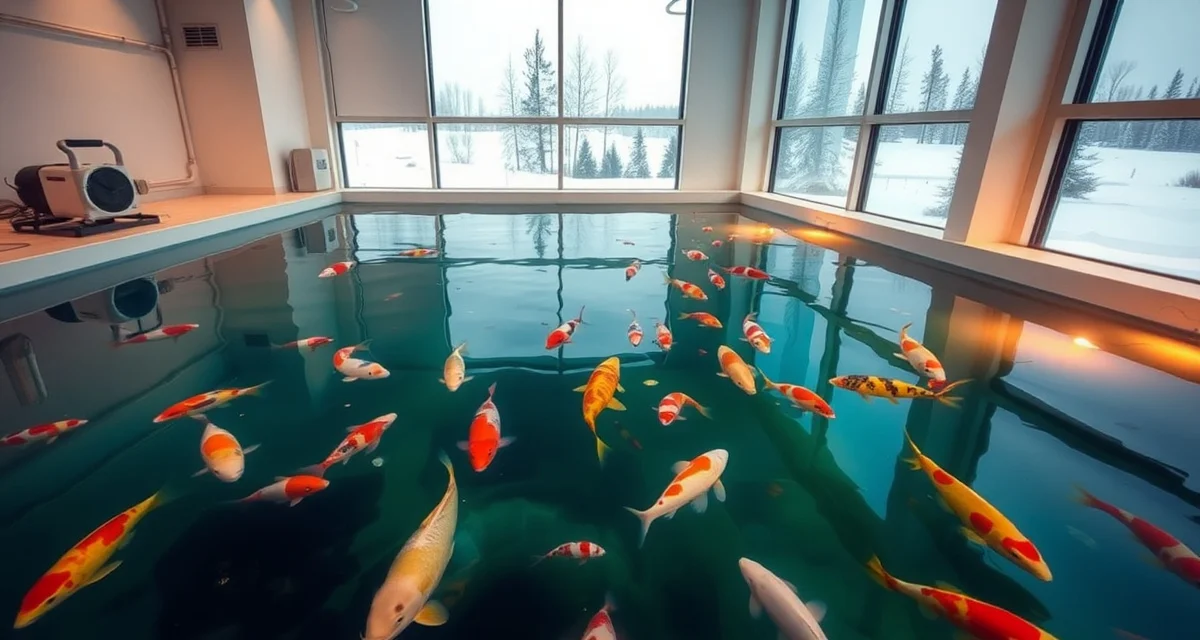
Indoor transfer. Moving koi to indoor tanks or a heated barn environment for winter eliminates the ice management challenge entirely. Many Montana dealers operate year-round indoor facilities. KoiQuanta's indoor pond management mode supports this approach with monitoring protocols calibrated for controlled indoor environments.
Planning for Montana's Short Active Season
Montana's outdoor koi season, from spring thaw to fall freeze-over, may be as short as 5 months in northern and mountain locations. Every week of that window has management value.
KoiQuanta's Montana seasonal calendar marks the practical active season start and end dates for your specific Montana location, helping you plan quarantine cycles, disease treatments, and fish purchases around the available management window. Fish acquired in late September in Montana have very little time before winter management considerations take over.
Montana Compliance Requirements
Montana koi dealers need to comply with federal USDA APHIS requirements for imported koi and Montana FWP (Fish, Wildlife and Parks) regulations for aquatic species. The koi dealer import compliance guide covers the federal documentation requirements that apply alongside Montana state regulations.
KoiQuanta generates compliance documentation from daily management data for both regulatory frameworks.
Frequently Asked Questions
How do I keep koi alive through Montana winters?
The three viable approaches are: maintaining a deep outdoor pond (4+ feet) with heavy-duty de-icers and weekly monitoring, insulating pond sides and adding a greenhouse structure to reduce cold exposure, or moving fish to heated indoor tanks for the winter months. KoiQuanta supports all three approaches with appropriate monitoring protocols. Most Montana dealers in areas with the most extreme winters use the indoor transfer approach.
Does Montana require koi dealer permits?
Montana FWP regulates aquatic species including koi under its non-native species framework. Commercial koi dealers in Montana need to comply with FWP permit requirements and maintain health and quarantine records. KoiQuanta generates the required documentation from daily management data.
What extreme cold precautions should Montana koi owners take?
Install heavy-duty de-icers with sufficient wattage for Montana's extreme cold conditions before the first hard freeze. Have redundant ice management equipment in case of primary failure. Check gas exchange equipment weekly (not just monthly) during the coldest January and February weeks when equipment failure risk is highest. Have a backup indoor hosting plan ready in case outdoor pond conditions become unmanageable during an extreme cold event.
What is Koi Dealer Software for Montana: Cold-Climate Koi Dealer Management?
Koi Dealer Software for Montana is a specialized pond and fish management platform designed for the extreme cold conditions Montana dealers face. KoiQuanta addresses the unique challenges of sub-zero winters, including automated dormancy protocols that activate when water temperatures drop below 4°C. It centralizes water parameter tracking, treatment records, and fish observations into one searchable history, giving Montana dealers the tools to manage both outdoor deep ponds and indoor tank transfer systems through harsh January and February conditions.
How much does Koi Dealer Software for Montana: Cold-Climate Koi Dealer Management cost?
KoiQuanta offers tiered pricing based on operation size, with plans suitable for small hobbyist dealers through large commercial koi operations. Exact pricing is available on the KoiQuanta website, but the platform is designed to deliver measurable ROI by reducing fish losses during winter transitions, cutting treatment costs through early detection, and saving hours of manual record-keeping. For Montana dealers who risk losing entire ponds to -20°F winters, the cost of software is modest compared to the value of the fish it helps protect.
How does Koi Dealer Software for Montana: Cold-Climate Koi Dealer Management work?
KoiQuanta works by continuously logging water temperature, oxygen levels, pH, and other parameters, then comparing trends against historical baselines. When temperatures fall toward the 4°C dormancy threshold, the system automatically shifts to extreme cold monitoring protocols and sends management guidance specific to Montana conditions. Dealers log observations, treatments, and fish behavior directly into the platform. Over time, the connected data reveals patterns that allow early intervention before problems become visible in fish health or behavior.
What are the benefits of Koi Dealer Software for Montana: Cold-Climate Koi Dealer Management?
The core benefits for Montana dealers include early warning of dangerous parameter shifts before fish show visible stress, automated dormancy protocol management during extreme cold, and a unified record of every observation, water test, and treatment. Seasonal reminder schedules keep monitoring consistent through unpredictable Montana winters. Long-term trend tracking helps distinguish normal seasonal variation from developing problems. Dealers report reduced treatment costs and fewer winter losses when management decisions are driven by data rather than visual inspection alone.
Who needs Koi Dealer Software for Montana: Cold-Climate Koi Dealer Management?
Montana koi dealers of any size benefit from cold-climate koi management software, but it is especially valuable for operations managing both outdoor ponds and indoor winter tank systems simultaneously. Dealers in northern Montana, mountain west locations, and anywhere that experiences sustained temperatures below -20°F face risks that standard pond management approaches underestimate. Any dealer who has lost fish to a winter that exceeded equipment limits, or who manually tracks parameters across multiple ponds, is the core user this platform is built for.
How long does Koi Dealer Software for Montana: Cold-Climate Koi Dealer Management take?
Initial setup typically takes a few hours to configure ponds, enter baseline fish records, and connect any monitoring hardware. Dealers begin seeing trend data within the first weeks of use, and the early detection value compounds over months as the system builds a historical baseline. Preparing for Montana's winter dormancy season is most effective when monitoring starts in late summer or early fall, giving the platform time to establish normal parameter ranges before temperatures begin their seasonal drop.
What should I look for when choosing Koi Dealer Software for Montana: Cold-Climate Koi Dealer Management?
Look for software with genuine cold-climate dormancy protocols rather than generic pond management tools adapted for warmer regions. Key features to evaluate include automated temperature threshold alerts, configurable monitoring schedules for active and dormancy seasons, treatment history tied to individual fish or ponds, and trend visualization that surfaces slow parameter shifts. Montana dealers should also confirm the platform provides guidance specific to indoor tank transfer management, not just outdoor pond monitoring, since many Montana operations require moving fish indoors for winter survival.
Is Koi Dealer Software for Montana: Cold-Climate Koi Dealer Management worth it?
For Montana koi dealers, cold-climate management software is worth it if you are managing multiple ponds, dealing with indoor-outdoor winter transitions, or have experienced fish losses during extreme cold events. The combination of early detection, automated dormancy protocols, and connected records replaces fragmented spreadsheets and memory-based management with a system that actively flags risk. Given that Montana winters can push well below -20°F and a single preventable loss event can exceed the annual cost of software many times over, the value proposition is strong for serious dealers.
Related Articles
- Koi Dealer Software for Alabama: Southern Climate Koi Management
- Koi Dealer Software for Florida: Tropical Climate Quarantine Management
- Koi Dealer Software for Kansas: Plains Climate Koi Health Management
Sources
- Associated Koi Clubs of America (AKCA)
- Koi Organisation International (KOI)
- University of Florida IFAS Extension Aquaculture Program
- Fish Vet Group
- Water Quality Association