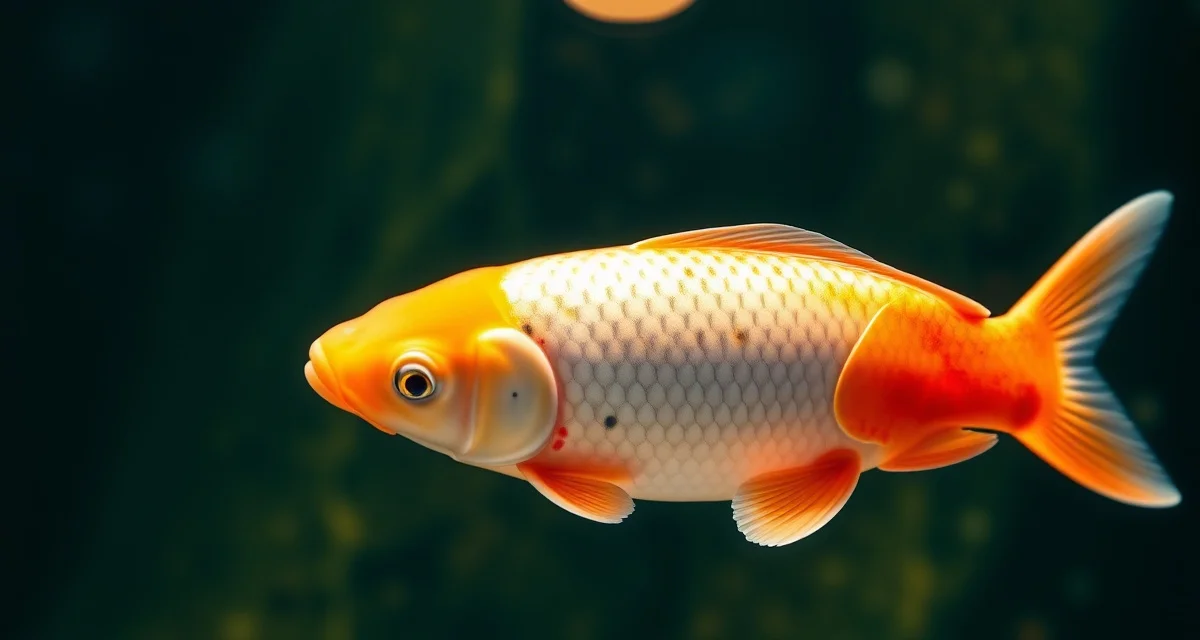
Koi Carp Pox: Identification and Management
Carp pox lesions typically self-resolve when water temperatures rise above 18°C. This is the most important thing to know about carp pox -- it's a self-limiting condition in most cases, and the temptation to aggressively treat what looks alarming on your fish is usually misplaced. Understanding what carp pox is and isn't allows you to manage it calmly rather than reactively.
TL;DR
- Carp pox (also called fish pox or koi pox) is caused by Cyprinid herpesvirus 1 (CyHV-1), a herpesvirus that is distinct from the more dangerous Koi Herpesvirus (CyHV-3 or KHV).
- Like all herpesviruses, CyHV-1 establishes a lifelong latent infection.
- If a pond is heated and you're concerned about pox presentation for show purposes, maintaining temperature above 18-20°C keeps lesions minimal in many fish.
- The seasonal pattern -- lesions appearing or worsening in cooler water and regressing above 18°C -- is a strong diagnostic indicator.
- Seasonal changes require adjusted monitoring schedules; automated reminders help maintain consistency.
What Is Carp Pox?
Carp pox (also called fish pox or koi pox) is caused by Cyprinid herpesvirus 1 (CyHV-1), a herpesvirus that is distinct from the more dangerous Koi Herpesvirus (CyHV-3 or KHV). Despite both being herpesviruses affecting koi, they're completely different diseases with very different outcomes. Carp pox is uncomfortable and disfiguring; KHV is frequently fatal.
Like all herpesviruses, CyHV-1 establishes a lifelong latent infection. Once a fish has carp pox, it carries the virus indefinitely, with lesions appearing and resolving in response to temperature and immune status.
What Carp Pox Looks Like
The lesions are distinctive once you know what you're looking at:
Appearance: Smooth, waxy, raised lesions on skin and fins. The texture is often compared to candle wax or clear gel. The lesions can be gray-white, pale pink, or nearly transparent. They are not fuzzy or cottony (which would indicate fungal infection) and do not have the rough, ulcerated appearance of bacterial disease.
Size: Lesions range from a few millimeters to several centimeters. Multiple lesions can merge into larger plaques.
Location: Can appear anywhere on the body, fins, or around the mouth. Fin locations are particularly common.
Behavior: Lesions that appear in cooler water (below 15°C) often regress noticeably in summer and may disappear entirely when water temperatures rise above 18°C, only to return the following autumn or winter.
KoiQuanta's seasonal health tracking identifies carp pox flare patterns by temperature, letting you see in your own records how your specific fish's lesions correlate with temperature changes across seasons.
Is Carp Pox Dangerous to Koi?
In healthy adult koi with good immune function and good water quality, carp pox is not typically dangerous. It's disfiguring and reduces the fish's value in terms of show competition, but it rarely causes death or secondary disease in otherwise healthy fish.
There are exceptions:
Young fry and juvenile fish: Carp pox can be more serious in very young fish, where lesions can affect the gills or mouth and interfere with feeding and respiration.
Immunocompromised fish: Fish already stressed by poor water quality, other diseases, or seasonal immune depression can have more severe or persistent pox presentations.
Very extensive lesion coverage: Rare cases with lesions covering a large percentage of the body surface or affecting gill function can become serious.
Secondary infections: Open or erosive lesions (which are not typical of classic waxy pox but can occur) can become entry points for bacterial infection.
What Is the Treatment for Carp Pox?
There is no antiviral treatment for carp pox. This is a herpesvirus, and like other herpesviruses, once established in the fish, the virus cannot be eliminated. Treatment focuses on management rather than cure:
Temperature management: Raising water temperature above 18°C -- either by seasonal warming, pond heating, or bringing fish indoors during cold months -- suppresses lesion expression. If a pond is heated and you're concerned about pox presentation for show purposes, maintaining temperature above 18-20°C keeps lesions minimal in many fish.
Immune support: Excellent water quality, good nutrition, and reduction of all other stressors support the fish's immune system in keeping pox lesions suppressed. Poor water quality and concurrent disease are reliable triggers for flare-ups.
No aggressive treatment: Attempting to physically remove or chemically treat carp pox lesions is not recommended. Physical manipulation can cause secondary bacterial infection at the site. Chemical treatments do not address the underlying virus and add unnecessary stress.
Show preparation note: Carp pox is considered a disqualifying fault at most koi shows if lesions are active. Fish with pox history should be evaluated for lesion presence before show entry, as temperature changes associated with transport can trigger flares.
Carp Pox vs. Other Conditions
Before concluding you're dealing with carp pox, consider the differential:
Fungal infection (Saprolegnia): Cotton-like, fluffy appearance -- clearly different from the smooth, waxy carp pox lesion. Saprolegnia grows outward from the attachment point like cotton; pox lesions are flat or slightly raised with smooth surfaces.
Lymphocystis: Another viral condition causing wart-like growths on koi. Lymphocystis lesions tend to have a rougher, cauliflower-like appearance and are caused by Lymphocystivirus rather than a herpesvirus.
Bacterial growths: Bacterial skin infections cause erosive, rough, often red-margined lesions that are clearly different from the smooth pox appearance.
Epitheliocystis: Bacterial gill and skin infection that can cause raised, cyst-like lesions. Different from pox by the context (often gill-affecting) and response to antibiotic treatment.
For the broader disease identification context including the full viral disease differential, see the koi disease reference manual. Temperature tracking in relation to health events is covered in the koi temperature guide.
Frequently Asked Questions
How do I identify carp pox on my koi?
Look for smooth, waxy, raised lesions on the skin or fins with a pale gray-white to transparent appearance, sometimes described as looking like candlewax or gel. They should be clearly distinct from the cottony, fluffy growth of fungal infection and the rough, ulcerated appearance of bacterial disease. The seasonal pattern -- lesions appearing or worsening in cooler water and regressing above 18°C -- is a strong diagnostic indicator. If you're uncertain, have a vet or experienced koi keeper evaluate the fish before treating.
Is carp pox dangerous to koi?
In most healthy adult koi, carp pox is not life-threatening -- it's disfiguring and reduces show quality but doesn't typically cause death. It can be more serious in young fry, very immunocompromised fish, or in cases with extensive lesion coverage affecting gill function. Once a fish has carp pox, it carries the virus for life and lesions may appear and resolve seasonally with temperature changes. The condition doesn't justify aggressive treatment in most cases.
What is the treatment for carp pox?
There is no antiviral treatment. Management focuses on temperature and immune support -- maintaining water temperature above 18°C suppresses lesion expression in most fish, and excellent water quality and nutrition support the fish's immune system in keeping pox minimal. Avoid physically manipulating or attempting to remove lesions, as this causes secondary bacterial infection. For show fish with carp pox history, assess for active lesions before entering since temperature changes from transport can trigger flares.
What is Koi Carp Pox: Identification and Management?
Koi carp pox is a viral skin condition caused by Cyprinid herpesvirus 1 (CyHV-1). It produces waxy, raised lesions on the skin and fins of koi and other carp. Unlike the deadly Koi Herpesvirus (KHV/CyHV-3), carp pox is not life-threatening. The virus establishes a lifelong latent infection, but lesions typically self-resolve when water temperatures rise above 18°C, making it a manageable, self-limiting condition for most pond keepers.
How much does Koi Carp Pox: Identification and Management cost?
Treating carp pox costs very little in most cases because no medication is required. The primary "treatment" is maintaining good water quality and allowing temperatures to rise naturally above 18°C. If you keep a heated pond for show fish, the ongoing cost is the energy to sustain water temperature above 18-20°C. Unnecessary chemical treatments are an avoidable expense and can stress fish, so resist purchasing products marketed aggressively for pox-like symptoms.
How does Koi Carp Pox: Identification and Management work?
CyHV-1 infects koi and triggers the formation of smooth, waxy lesions that look like drops of candle wax on the skin. The virus behaves like all herpesviruses: it remains dormant in the fish for life but becomes active during cooler water temperatures, typically below 18°C. As water warms in spring and summer, the immune response strengthens and lesions regress or disappear. The cycle can repeat each year as temperatures drop again in autumn.
What are the benefits of Koi Carp Pox: Identification and Management?
Understanding carp pox allows you to respond calmly rather than reactively. Recognising the seasonal pattern — lesions appearing in cooler water, resolving above 18°C — prevents unnecessary and potentially harmful treatments. Knowing carp pox is distinct from the lethal KHV reduces misplaced panic. For show fish, targeted temperature management can minimise lesion visibility. Monitoring consistently through seasonal transitions also means you catch any secondary infections or unrelated issues early.
Who needs Koi Carp Pox: Identification and Management?
Any koi keeper whose fish develop raised, waxy skin lesions needs to understand carp pox. It is particularly relevant to pond keepers in temperate climates where water temperatures fluctuate seasonally. Show koi enthusiasts who need fish to present well year-round benefit most from active temperature management strategies. New koi keepers are especially likely to encounter pox and mistake it for something more serious, making early education about the condition valuable.
How long does Koi Carp Pox: Identification and Management take?
Individual lesion episodes typically resolve within weeks to a few months once water temperatures consistently exceed 18°C. The full seasonal cycle — appearance in autumn or winter, regression by late spring or summer — usually spans several months. Because CyHV-1 is a lifelong latent infection, recurrence is common each cool season. There is no defined treatment course with an endpoint; management is ongoing, focused on water temperature, water quality, and stress reduction.
What should I look for when choosing Koi Carp Pox: Identification and Management?
When evaluating a suspected carp pox case, confirm the lesion appearance: smooth, waxy, and raised, not ulcerated or haemorrhagic. Check the seasonal timing — are temperatures below 18°C? Rule out KHV by ensuring there are no other symptoms such as gill necrosis, sunken eyes, or mass mortality. Look for secondary infections where lesions are present. Seek a veterinary diagnosis if unsure. For ongoing management, look for reliable water temperature monitoring tools and consistent testing routines.
Is Koi Carp Pox: Identification and Management worth it?
Yes — understanding carp pox is genuinely worth it. The condition looks alarming but is rarely dangerous, and knowing this prevents costly, stressful, and unnecessary interventions. The core management approach is free: wait for warmer water. For show fish, a heated pond investment pays off in consistent presentation. Misidentifying pox as something more serious, or over-treating it, causes more harm than the virus itself. Informed, calm management is the most effective and economical approach available.
Related Articles
- Koi Breeding Season Management: Spawning to Fry Guide
- Koi Disease Identification Guide: Symptoms, Causes, and Treatments
Sources
- Associated Koi Clubs of America (AKCA)
- Koi Organisation International (KOI)
- University of Florida IFAS Extension Aquaculture Program
- Fish Vet Group
- Water Quality Association