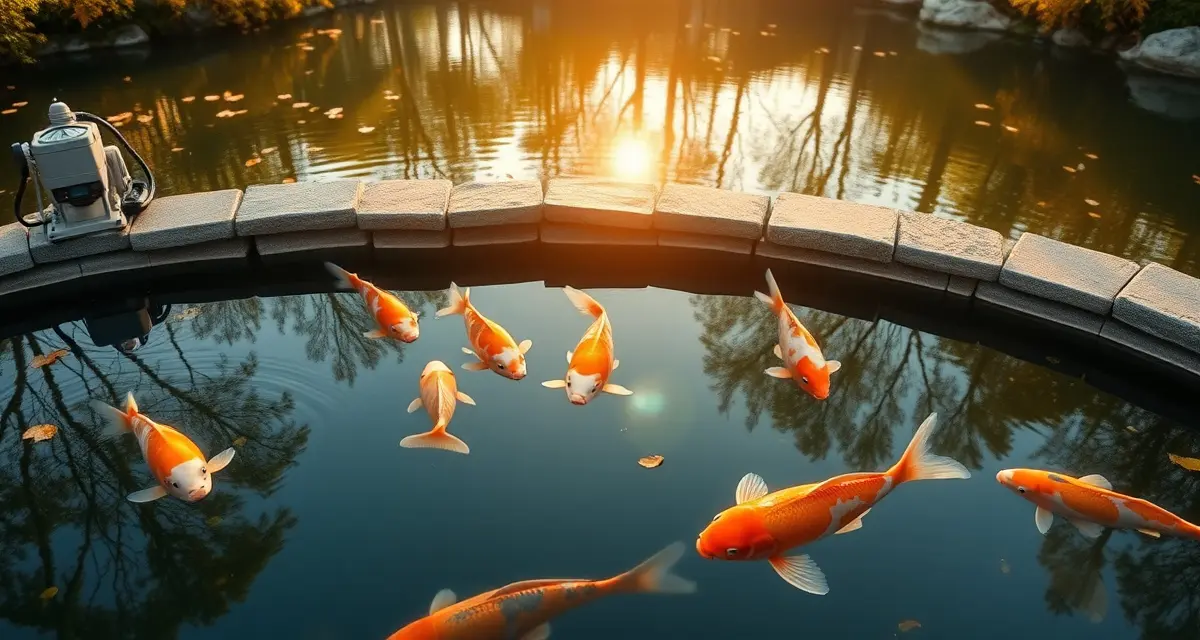
Fall Koi Pond Preparation: Get Your Fish Ready for Winter
Koi entering winter with untreated bacterial infections face mortality rates of 40 to 60% due to immune suppression during cold dormancy. That's not a scare statistic. It's a real consequence of a preventable oversight. Fall preparation isn't optional if you care about your fish surviving winter and emerging healthy in spring.
KoiQuanta's fall checklist prevents exactly this scenario with a pre-winter disease screening protocol that ensures all health issues are resolved before koi enter their vulnerable dormancy period. This guide walks through every phase of that checklist.
TL;DR
- Once water drops below 15 degrees Celsius, treatment efficacy of many medications drops, fish stress from handling increases, and the window for successful intervention narrows.
- If you have any history of fluke issues, a fall prazi treatment when water temperature is still above 15 degrees Celsius is worthwhile.
- Early fall, while water is still in the 15 to 18 degree range and fish are active, is the right time.
- Stop feeding entirely once temperature drops below 10 degrees Celsius.
- Seasonal changes require adjusted monitoring schedules; automated reminders help maintain consistency.
Why Fall Preparation Matters
Winter is physiologically demanding for koi even in ideal conditions. As water temperature drops, fish metabolism slows dramatically, their digestive system essentially stops functioning, and their immune response becomes sluggish. A koi in perfect health going into winter will emerge in spring somewhat depleted but recoverable. A koi with an active bacterial infection, a parasite burden, or a compromised immune system going into winter may not survive to spring.
The biology is straightforward: bacterial infections don't stop progressing just because the fish's immune system has slowed down. If anything, immune suppression allows infections to advance more freely during winter dormancy. By the time spring warmth wakes the fish's defenses back up, the infection may have progressed beyond the point of recovery.
Fall preparation is about making sure every fish entering dormancy is as healthy as possible. It's a predictable, structured process, and KoiQuanta's fall checklist makes sure nothing gets missed.
Phase 1: Disease Screening Before Temperature Drops
The best time to treat disease is while water temperature is still above 15 degrees Celsius and fish immune systems are still reasonably active. Once water drops below 15 degrees Celsius, treatment efficacy of many medications drops, fish stress from handling increases, and the window for successful intervention narrows.
Start your fall disease screening while temperatures are still in the comfortable range, typically early to mid-September in northern US climates and later in southern regions.
Full visual inspection of every fish. This means getting close and checking systematically, not a casual glance from the pond edge. Log your findings in KoiQuanta with photos of any fish showing abnormalities.
What to look for:
- Any open sores, ulcers, or areas of raised scales
- Fin rot (fraying or discoloration at fin margins)
- Parasites (white spots, excessive mucus, flashing behavior)
- Behavioral abnormalities (lethargy, isolation, surface hanging)
- Eye cloudiness or injury
Water quality panel. Run a complete parameter test and log results in KoiQuanta. You want to enter winter with clean, stable water chemistry. Elevated nitrates, unstable pH, or traces of ammonia going into winter create additional stress on fish that can compound disease risk.
Parasite screening. Fall is an important time to screen for parasites, particularly gill flukes, which can establish high burdens during the warmer summer months and persist through winter in ways that stress fish during dormancy. If you have any history of fluke issues, a fall prazi treatment when water temperature is still above 15 degrees Celsius is worthwhile.
Phase 2: Final Treatments Before Winter
Any active health issues identified during screening need to be resolved before water temperature drops below the treatment efficacy threshold. This is not the time to take a wait-and-see approach. An ulcer that looks minor in October will be a serious problem in February.
Bacterial infections: Treat with appropriate antibiotics or topical treatments per the KoiQuanta treatment tracker protocol. Keep treating until the ulcer is fully healed, not just until it looks better. Partial healing that leaves the infection subclinical is exactly the scenario that becomes fatal during winter immune suppression.
Parasite treatment: Praziquantel for flukes at fall water temperatures (above 15 degrees Celsius for good efficacy). Salt treatment for Costia, Trichodina, or general stress reduction. Log every treatment in KoiQuanta with dose, date, and response notes.
Wound care: Any abrasions, anchor worm removal sites, or other physical wounds should receive topical antiseptic treatment before winter. Open wounds that enter winter don't heal properly in cold water and are bacterial infection entry points.
Give yourself at least four to six weeks between the start of any disease treatment and the target date for winter shutdown. This gives treatments time to work and fish time to recover before dormancy.
Phase 3: Feeding Reduction and Transition
Reducing feeding quantity and transitioning to cold-water food is one of the most important fall management steps. Getting this timing right protects your fish from the digestive damage that comes from feeding too late in the season.
Temperature-based feeding reduction:
- Above 18 degrees Celsius: feed normally
- 12 to 18 degrees Celsius: reduce to once daily, offer easily digestible food
- 10 to 12 degrees Celsius: reduce to every two to three days
- Below 10 degrees Celsius: stop feeding entirely
The transition to wheat germ or cold-water formula food should happen when temperature drops into the 12 to 15 degree range. These low-protein foods are formulated for slow digestion rates and put minimal metabolic strain on fish that are already slowing down.
Keep a feeding log in KoiQuanta with temperature readings at every feeding. This gives you a clear record of when you made each transition and helps you calibrate the timing better each year based on your fish's response.
The last feeding mistake: Many hobbyists offer one last feeding in early fall "to build fish up for winter." This is usually a mistake. Excess body fat in fish doesn't function the same way as mammals. Koi draw on stored liver glycogen for winter energy, not body fat. Overfeeding in fall can actually stress liver function going into dormancy. Feed appropriately for activity level, not to "fatten up" fish.
Phase 4: Filter Management and Winterization
Your biological filter needs careful management through fall. The transition from summer operation to winter dormancy mode should be gradual.
Keep the filter running as long as fish are metabolically active. As long as you're feeding, you need filtration. The filter should continue running through the full feeding reduction phase.
Clean mechanical filter stages in early fall while temperature is still moderate and bacteria are active enough to help the biological filter recover quickly. Don't do a major filter clean in October when bacterial populations are declining and recovery will be slow.
Decide on your winter filter operation approach. There are two main schools of thought: keeping the filter running at reduced flow all winter (which maintains some biological capacity for spring), or shutting down the filter entirely and running only aeration and de-icers. KoiQuanta's winter mode supports both approaches. What matters is being consistent with your chosen approach and monitoring accordingly.
Check heating equipment. If you have a pond heater or heat pump, test it before you need it. Fall is the time to discover equipment problems, not December.
Phase 5: Pond Cleaning
Fall is the right time for bottom cleaning, removing organic debris, and doing any physical pond maintenance before water gets too cold.
Accumulated organic debris on the pond bottom decomposes anaerobically during winter, producing toxic gases including hydrogen sulfide and methane. These gases can build up under ice and kill fish without any obvious warning. Removing as much organic material as possible before winter reduces this risk considerably.
Vacuum the pond bottom, remove dead plant material, and clean out any debris that has accumulated over the summer. Don't do this so vigorously that you stress the fish, particularly once temperatures are dropping. Early fall, while water is still in the 15 to 18 degree range and fish are active, is the right time.
Remove any pond plants that won't overwinter. Tender aquatic plants that die back in cold water will add to the organic decomposition load if left in the pond. Remove them in fall.
Phase 6: Equipment Checks and De-icer Installation
Before the first frost, confirm all your winter equipment is in place and functional:
De-icers or pond heaters: Test before installation. A de-icer that fails in January is harder to replace than one that fails in October. Install de-icers and test operation while you can still work comfortably near the pond.
Aeration for winter: Even if you're not running full filtration over winter, maintaining some aeration is important for gas exchange under ice. Air stones positioned correctly ensure there's always an open area of water surface for gas exchange. Check that tubing and air pumps are functioning.
Pond net removal: If you use a predator net, consider whether to leave it in place over winter. In deep snow climates, nets can collapse under snow load and cause problems. Evaluate your local situation.
Monitoring Through Fall
The spring koi pond startup guide notes how important a good spring startup is for fish health. Fall preparation is the equal and opposite bookend. The care you put in during fall determines how well your fish enter dormancy and how easily they come through spring.
Log water temperature, water quality parameters, and fish observations weekly through fall until fish enter dormancy. The winter koi dormancy guide covers what happens next and how to monitor your fish through the cold months.
Frequently Asked Questions
When should I start reducing koi feeding in fall?
Begin reducing feeding quantity and transitioning to cold-water food when water temperature drops consistently into the 12 to 18 degree Celsius range. Stop feeding entirely once temperature drops below 10 degrees Celsius. The exact timing varies by region and by year, which is why logging temperature readings in KoiQuanta alongside your feeding records lets you calibrate the transition accurately each season.
What disease treatments should I complete before winter?
Complete all active disease treatments, including bacterial infections, parasite treatments, and wound care, before water temperature drops below 15 degrees Celsius. Below this threshold, many medications lose efficacy and fish stress from any handling increases. Build in at least four to six weeks between the start of treatment and the target date for winter shutdown.
What water temperature signals that koi should stop eating?
Stop feeding entirely at 10 degrees Celsius (50 degrees Fahrenheit). Below this temperature, koi digestive systems are too slow to process food safely. Undigested food in the gut at cold temperatures can cause internal bacterial growth and digestive damage. Log temperature readings in KoiQuanta and cross-reference with your feeding records to ensure you're making the transition at the right time.
What is Fall Koi Pond Preparation: Get Your Fish Ready for Winter?
Fall koi pond preparation is a seasonal maintenance process carried out in autumn to protect koi fish through winter dormancy. It involves health screening for parasites and bacterial infections, adjusting feeding schedules as temperatures drop, and optimizing water quality before fish become immunosuppressed in cold water. Because koi with untreated infections face mortality rates of 40–60% over winter, completing this checklist before temperatures fall below 15°C is critical to fish survival and a healthy spring recovery.
How much does Fall Koi Pond Preparation: Get Your Fish Ready for Winter cost?
Fall koi pond preparation costs nothing beyond your time if your fish are healthy and your pond is well-maintained. Expenses arise if treatment is needed — a praziquantel (prazi) fluke treatment typically runs $20–$60 depending on pond volume. Water testing kits, pond netting, and a reliable thermometer are low-cost one-time purchases. Investing a small amount in fall screening is far cheaper than losing fish to preventable winter infections.
How does Fall Koi Pond Preparation: Get Your Fish Ready for Winter work?
Fall preparation works by addressing health threats while koi are still active enough to tolerate treatment and medication is still effective. Water above 15°C allows praziquantel and other treatments to work properly. You screen for parasites and bacterial infections, treat any issues found, reduce feeding as temperatures fall, and stop feeding entirely below 10°C. This ensures fish enter dormancy clean, well-conditioned, and not carrying infections that will worsen when their immune systems slow down.
What are the benefits of Fall Koi Pond Preparation: Get Your Fish Ready for Winter?
The core benefit is dramatically reduced winter mortality. Koi entering winter with untreated bacterial infections face a 40–60% death rate — fall preparation eliminates that risk. Additional benefits include a healthier, faster spring recovery, reduced spring disease outbreaks, lower long-term medication costs, and better overall fish condition. Catching and treating parasites like flukes in fall, when treatment is most effective, prevents reinfestation cycles that are much harder to break in cold or fluctuating spring temperatures.
Who needs Fall Koi Pond Preparation: Get Your Fish Ready for Winter?
Any koi keeper who overwinters fish outdoors needs a fall preparation routine, but it is especially important if you've had disease or parasite issues during the year, added new fish to your pond in spring or summer, noticed unexplained fish losses, or have a history of fluke problems. Even experienced keepers with healthy ponds benefit from a structured checklist — seasonal changes are easy to misjudge, and the dormancy window that makes treatment difficult arrives faster than most people expect.
How long does Fall Koi Pond Preparation: Get Your Fish Ready for Winter take?
The active preparation window typically spans four to six weeks in early-to-mid fall, while water temperatures are between 15°C and 18°C and fish are still metabolically active. Treatments like prazi require several days to complete, and you need time to confirm infections are resolved before temperatures drop. Monitoring and feeding adjustments continue through late fall until you stop feeding entirely below 10°C. Total hands-on time is modest — a few hours spread across the season with consistent water temperature checks.
What should I look for when choosing Fall Koi Pond Preparation: Get Your Fish Ready for Winter?
Prioritize a preparation approach that includes a structured disease screening protocol rather than just equipment winterization. Look for guidance that gives specific temperature thresholds — 15°C for treatment cutoffs, 10°C for feeding cessation — rather than vague seasonal advice. A good checklist covers parasites, bacterial infections, water quality, and feeding adjustments together. Automated temperature reminders or monitoring tools help maintain consistency. KoiQuanta's checklist is built around these thresholds and ties each action to measurable water conditions rather than calendar dates.
Is Fall Koi Pond Preparation: Get Your Fish Ready for Winter worth it?
Yes — fall koi pond preparation is one of the highest-return actions a koi keeper can take. The time investment is small, the direct costs are low, and the alternative is risking 40–60% fish mortality from preventable infections. Koi are long-lived, often valuable, and deeply invested in by their keepers. A few hours of fall screening and treatment protects years of fishkeeping. Fish that enter winter healthy consistently emerge in better spring condition, making the entire following season easier to manage.
Related Articles
Sources
- Associated Koi Clubs of America (AKCA)
- Koi Organisation International (KOI)
- University of Florida IFAS Extension Aquaculture Program
- Fish Vet Group
- Water Quality Association