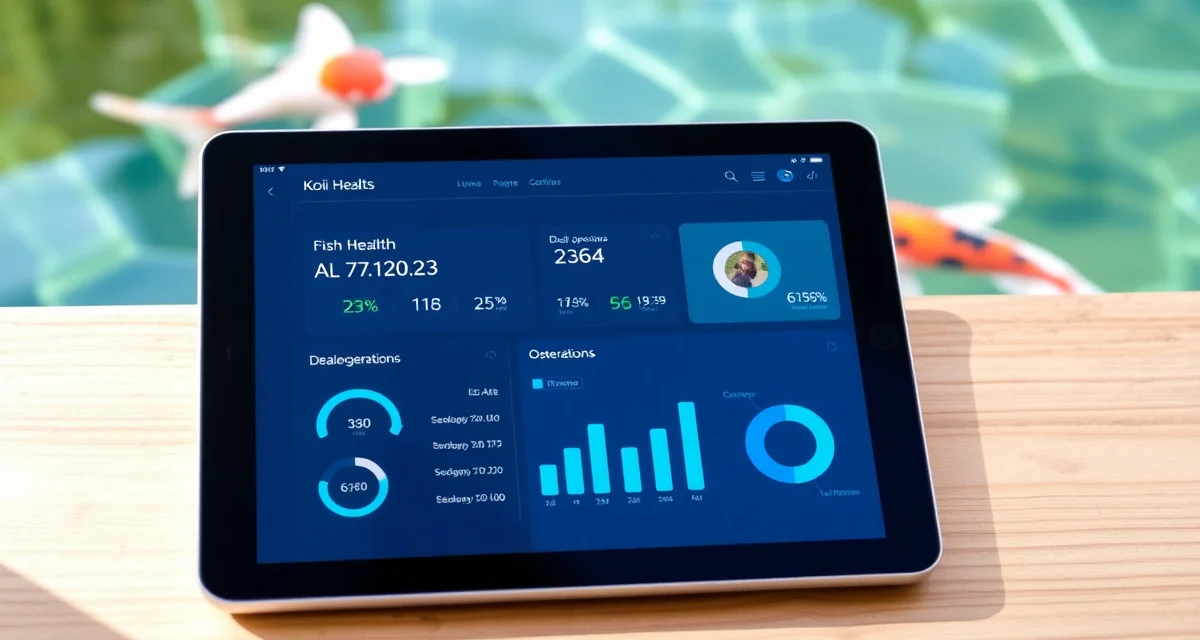
Best Koi App for Koi Dealers: Feature Comparison
Running a koi dealership means managing 50–200+ fish in quarantine simultaneously, tracking individual fish histories, generating customer documentation, and staying compliant with USDA APHIS import requirements. The gap between "koi health app" and "koi dealer operations platform" is significant.
Most koi apps were designed for hobbyists who want to track parameters and note when they last tested ammonia. That's useful - but it's not what a dealer needs.
Here's the honest comparison of what's available, what dealers actually require, and which tools deliver.
TL;DR
- For Japanese imports, this includes the original health certificate, USDA VS Form 17-130 data, KHV testing results, and 42+ days of quarantine observations.
- Dealer tanks range from 200 gallons to 3,000+ gallons - manual dose calculations under time pressure lead to errors.
- The VS Form 17-130 data fields are incorporated into the lot setup workflow.
- Worth it for any operation selling $50,000+ in fish annually.
- The average koi dealer manages 50–200 fish in quarantine simultaneously, across multiple lots from different sources at different quarantine stages.
- A USDA auditor asking for documentation for a lot that came in 14 months ago gets a clean PDF from KoiQuanta.
- KoiQuanta's dealer tier ($29/month) is the only purpose-built dealer koi management platform.
TL;DR
No generic koi tracking app was designed for dealer operations. KoiQuanta is the only platform built with quarantine documentation, per-lot import records, compliance reporting, and buyer health certificates as core features - not afterthoughts. For dealers, this matters.
What Koi Dealers Actually Need
Before comparing tools, let's define the real requirements:
Quarantine tracking at scale: A dealer may have 8–12 quarantine tanks running simultaneously with different lots at different stages. Each needs independent records - separate parameter logs, treatment journals, and discharge tracking - without cross-contamination of data.
Per-lot import documentation: Every lot of fish needs a traceable record from intake through quarantine through sale. For Japanese imports, this includes the original health certificate, USDA VS Form 17-130 data, KHV testing results, and 42+ days of quarantine observations.
Treatment dose calculations: Accurate dosing for salt, praziquantel, potassium permanganate, and formalin by tank volume. Dealer tanks range from 200 gallons to 3,000+ gallons - manual dose calculations under time pressure lead to errors.
Customer-facing documentation: Buyer packs with quarantine summary, treatments administered, health status at sale. This builds trust and provides liability protection.
Compliance export: The ability to export quarantine records in a format acceptable for USDA APHIS audits or state regulatory inspections.
Timestamped records: Records that can serve as legal documentation need timestamps that can't be retroactively altered.
The Comparison
KoiQuanta (Dealer Tier - $29/month)
Built with dealer operations as a first-class use case. The dealer tier adds:
Multi-tank management: Each tank has its own profile with independent parameter logs, treatment journals, and quarantine timeline. A dashboard view shows all active quarantines with current protocol day, active treatments, and next required actions at a glance.
Lot-based tracking: Each import or acquisition is a "lot" with source documentation, fish count, arrival date, and associated health certificates. The lot ID persists through quarantine to discharge and links to individual fish records after sale.
Import documentation: Templates aligned with USDA APHIS requirements for koi imports. The VS Form 17-130 data fields are incorporated into the lot setup workflow. Health certificate data is stored alongside quarantine records for each lot.
Dose calculators: Built-in calculators for all common koi treatments. Tank volume is stored in the tank profile and auto-populates dose calculations. For a dealer doing daily salt additions, water change compensation calculations, and periodic praziquantel treatments, this saves significant time and eliminates calculation errors.
Buyer pack generation: One-click export of a buyer health pack from any fish's quarantine record. Includes quarantine dates, treatments administered, final parameter readings, and health status at discharge. Professional-looking PDF that customers can keep.
Compliance export: Per-lot full quarantine records exportable as timestamped PDFs. Formatted for regulatory audit presentation.
Multi-user access: Facility staff can log observations and treatments under their own credentials. All entries are timestamped with the logging user - relevant for large operations and for audits where chain-of-custody matters.
Limitation: Priced at the dealer tier, it's a business expense. Worth it for any operation selling $50,000+ in fish annually.
KoiControl
KoiControl is primarily a parameter tracking tool. It logs water chemistry over time and provides trend charts.
What it lacks for dealer operations:
- No quarantine protocol system
- No per-lot import documentation
- No treatment dose calculators
- No buyer pack or health certificate generation
- No compliance export for USDA audits
- No multi-user access
KoiControl users who are running a dealership universally maintain parallel spreadsheet systems to handle the quarantine and documentation functions the app doesn't provide. The double data entry adds time and creates inconsistency risk - data that lives in a spreadsheet isn't timestamped, searchable, or exportable in a compliance-ready format.
Generic Aquaculture Software
Commercial aquaculture software (designed for food fish operations, shrimp farms, tilapia facilities) has lot tracking and regulatory compliance features. But it's designed for entirely different contexts:
- UI built for large-scale production, not individual fish tracking
- Disease protocols for food fish species (salmon, tilapia) not koi
- Pricing that starts at $200–500+/month for commercial tiers
- No koi-specific features, disease database, or import documentation for ornamental fish imports
- Steep learning curve with implementation support often required
This is overkill and wrong-fit for koi dealer operations of any scale.
Spreadsheets (The Default)
Most koi dealers currently manage with spreadsheets. The honest assessment:
What spreadsheets do well: Flexible, free, familiar. A well-built spreadsheet system can capture most of the data a dealer needs.
What spreadsheets can't do:
- Timestamps that can't be retroactively edited (for legal documentation purposes)
- Automated dose calculations linked to stored tank volumes
- Alert/reminder system for treatment schedules
- PDF export formatted for compliance presentation
- Mobile-friendly data entry pond-side
- Data doesn't go anywhere - backup is manual
The dealer who's lost a compliance dispute or spent 8 hours preparing for a USDA audit with a spreadsheet understands this gap intuitively.
Paper Logs
Still the most common system among dealers who've been in the business for 20+ years. Paper is reliable (doesn't crash), doesn't require training, and works without power. It's also unsearchable, un-exportable, vulnerable to damage, and creates compliance risk when regulators expect digital records.
How Many Fish Are We Talking About?
The average koi dealer manages 50–200 fish in quarantine simultaneously, across multiple lots from different sources at different quarantine stages.
Managing this on paper or spreadsheet:
- 10–12 separate lot folders, each with daily log sheets
- Multiple water change and treatment spreadsheet tabs
- Manual dose calculations every time a tank volume changes
- Separate document for each lot's health certificate and testing records
Managing this in KoiQuanta:
- One dashboard showing all active lots
- Automated daily observation prompts
- Dose calculations in the treatment entry
- All records attached to the lot automatically
- One-click compliance export when needed
The Import Documentation Problem
For any dealer importing from Japan, the documentation requirement is non-negotiable. USDA APHIS requires:
- Import permit (Form VS 17-130)
- Foreign health certificate from Japanese national authority
- Evidence of facility approval for holding imported koi
- Quarantine records covering the required hold period
- Evidence of KHV testing where required
Dealers who keep these records in a spreadsheet or paper folder can produce them - eventually, after locating the right folder, finding the right sheet, and manually compiling the information. KoiQuanta stores all of this attached to the lot record, exportable as a complete package in under a minute.
A USDA auditor asking for documentation for a lot that came in 14 months ago gets a clean PDF from KoiQuanta. With paper, that's a filing cabinet search.
Related Articles
- Best Koi Management Software in 2026: An Honest Comparison
- How Long Do Koi Dealers Need to Quarantine New Fish? The Official Answer
- Should Koi Dealers Use Different Software Than Hobbyists?
FAQ
Can I track multiple quarantine batches in a koi app?
KoiQuanta's dealer tier is specifically designed for multi-batch management, with each lot having its own independent quarantine timeline, parameter log, and treatment journal. Other koi apps don't have lot-level tracking - they track fish or tanks but not the organizational structure of a dealer operation where multiple independent lots progress through quarantine simultaneously.
What koi app works for dealers?
KoiQuanta's dealer tier ($29/month) is the only purpose-built dealer koi management platform. It covers quarantine at scale, lot-based import documentation, treatment dose calculators, buyer pack generation, and USDA-compatible compliance record export. All other current koi apps were designed for hobbyists and lack the dealer-specific workflow support that professional operations require.
Does any koi software handle import documentation?
KoiQuanta is the only koi-specific software with import documentation functionality. The lot setup workflow captures USDA Form VS 17-130 data fields, stores foreign health certificates as attachments, and includes KHV testing result entry. The complete lot record - intake documentation plus 42+ days of quarantine observations - exports as a single PDF for compliance purposes. No other koi app or aquarium tracking tool provides this capability.
What is Best Koi App for Koi Dealers: Feature Comparison?
This article compares koi management apps specifically for koi dealers, not hobbyists. It evaluates tools based on dealer-specific needs: managing 50–200+ fish in simultaneous quarantine, tracking individual fish histories, generating customer-ready documentation, and meeting USDA APHIS import compliance requirements including VS Form 17-130 data. The comparison highlights the significant gap between consumer-grade koi health apps and what a professional dealership operation actually requires to run efficiently and stay audit-ready.
How much does Best Koi App for Koi Dealers: Feature Comparison cost?
KoiQuanta's dealer tier is priced at $29/month, making it accessible for most professional operations. The article notes it delivers strong return on investment for any dealership generating $50,000 or more in annual fish sales. Given the cost of compliance errors, lost documentation, or medication dosing mistakes on high-value Japanese imports, the monthly fee is minimal compared to the operational and financial risks it helps mitigate.
How does Best Koi App for Koi Dealers: Feature Comparison work?
KoiQuanta works by centralizing the entire dealer workflow into one platform. You set up quarantine lots with USDA VS Form 17-130 data built into the intake process, log daily observations per fish, and track KHV testing results and health certificates. The system handles medication dose calculations based on tank volume, reducing errors under time pressure. When a USDA auditor requests records, you export a clean, timestamped PDF directly from the platform.
What are the benefits of Best Koi App for Koi Dealers: Feature Comparison?
The core benefits for koi dealers include audit-ready documentation exportable as clean PDFs, automated medication dosing calculations scaled to tanks ranging from 200 to 3,000+ gallons, built-in USDA APHIS compliance tracking, and per-fish history logs across multiple lots at different quarantine stages. These features eliminate manual spreadsheet errors, reduce compliance risk, and save significant time when preparing customer documentation or responding to regulatory inquiries.
Who needs Best Koi App for Koi Dealers: Feature Comparison?
This comparison is designed for professional koi dealers — particularly those importing Japanese koi — who manage multiple quarantine lots simultaneously and must comply with USDA APHIS import regulations. It's relevant to operations of any size that sell fish professionally, but is especially valuable for dealerships moving $50,000 or more in inventory annually, where documentation failures, dosing errors, or compliance gaps carry real financial and legal consequences.
Sources
- Associated Koi Clubs of America (AKCA)
- Koi Organisation International (KOI)
- University of Florida IFAS Extension Aquaculture Program
- Fish Vet Group
- Water Quality Association