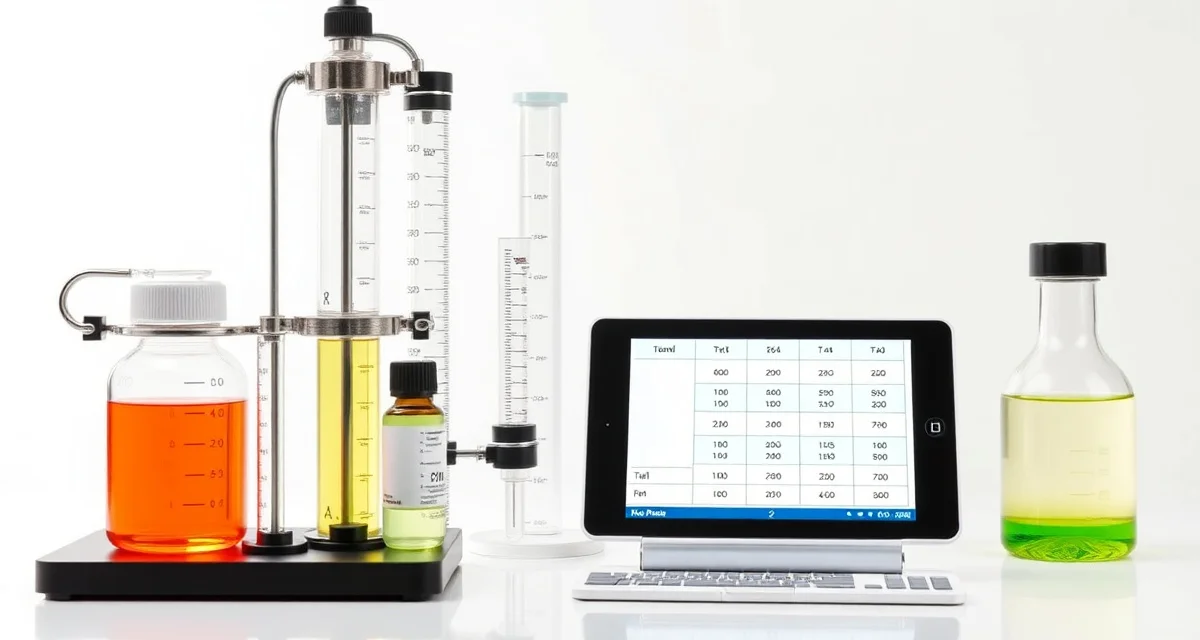
Koi Treatment Concentration Calculator: From Stock Solution to Pond Dose
Getting treatment concentrations wrong is one of the most dangerous mistakes in koi keeping. Concentration errors from manual dilution math account for over 25% of accidental koi medication fatalities. That's not a margin you can afford to work in.
A treatment concentration calculator takes the guesswork, and the dangerous math, out of the equation. This page covers how to convert stock solution concentrations to the correct pond dose for any koi treatment chemical, and why KoiQuanta's built-in calculator goes further than generic online tools.
TL;DR
- Concentration errors from manual dilution math account for over 25% of accidental koi medication fatalities.
- The recommended therapeutic dose is 15–25 ppm.
- Formalin at 37% by weight is not the same as 37% by volume.
- If your operating water level is 10% below the full mark, every dose calculated on full volume is 10% too high.
- A dose that's safe at 15°C can be dangerous at 22°C.
- The potassium permanganate dose calculator accounts for organic load, which affects how much KMnO4 gets consumed before it reaches the fish.
- Use them together when you're working with formalin or KMnO4.
The Problem With Manual Dilution Calculations
You've got a bottle of formalin at 37% concentration. Your pond is 2,400 gallons. The recommended therapeutic dose is 15–25 ppm. What do you add?
That calculation involves unit conversions, density adjustments, and a working knowledge of what "ppm" actually means in a pond context. Most hobbyists and even experienced dealers get at least one step wrong. Generic dilution calculators help with the math, but they don't tell you whether the resulting dose is actually safe for your fish.
That's the gap KoiQuanta fills. Every calculation flags whether your calculated dose falls inside the recommended therapeutic window or outside the safe range for that specific compound.
How the KoiQuanta Treatment Concentration Calculator Works
The koi treatment concentration calculator built into KoiQuanta handles the full calculation chain from stock solution to pond dose. You enter your pond volume, the concentration of your stock solution, and your target therapeutic level. KoiQuanta calculates the exact volume to add.
Stock Concentration Input
Most commercial treatments list active ingredient concentration as a percentage, a mg/mL figure, or a g/L figure. KoiQuanta accepts all three formats and converts internally. You don't need to pre-convert anything.
Target Dose Selection
For standard compounds, KoiQuanta pre-loads the recommended therapeutic range based on current koi health literature. You can accept the default target or enter a custom dose if you're working from vet guidance.
Safe-Range Flagging
This is where KoiQuanta differs from a basic calculator. If your calculated dose falls outside the safe and effective range for that compound, the tool flags it before you treat. A warning appears at the top of the results with the specific concern: whether the dose is too low to be effective or approaching a level that risks gill damage or oxygen depletion.
Custom Compound Support
Working with a compound that isn't in the default library? KoiQuanta lets you input custom safe and effective range parameters, so you can still get flagging even for off-label treatments. Your vet can provide the thresholds; you enter them once and they're saved to your compound library.
What to Look for in a Koi Pond Medication Dosing Tool
Most online calculators handle the arithmetic. That's table stakes. When you're evaluating tools for koi pond medication dosing, the questions that actually matter are:
- Does it account for the specific compound's safe range, not just the math?
- Does it store your pond volume so you're not re-entering it every time?
- Does it log each treatment dose for future reference?
- Does it flag if your calculated dose is outside the therapeutic window?
Generic dilution calculators answer none of those questions. They give you a number and leave you to judge whether that number is appropriate. That judgement call is exactly where errors happen.
Common Treatment Calculation Mistakes
Using the Wrong Concentration Figure
Stock solution concentrations are sometimes listed as a percentage by weight, sometimes by volume. Formalin at 37% by weight is not the same as 37% by volume. This difference is small enough to overlook and large enough to cause harm.
Ignoring Pond Volume Variation
Ponds are never filled to the absolute brim. If your operating water level is 10% below the full mark, every dose calculated on full volume is 10% too high. KoiQuanta stores your operating pond volume, not just the theoretical maximum, so every dose is calibrated to reality.
Not Accounting for Water Temperature
Several treatments, including formalin and potassium permanganate, have temperature-dependent toxicity. A dose that's safe at 15°C can be dangerous at 22°C. KoiQuanta's dose calculator includes temperature input and adjusts safe-range flags accordingly.
Related Articles
- Formalin Dose Calculator for Koi: Safe Treatment Every Time
- Koi Bacterial Infection Treatment Tracker: Dose, Log, Recover
- Quarantine After Whole-Pond Disease Treatment-after-pond-treatment)
- KoiQuanta Disease Treatment Tracker: Log Every Symptom and Dose
FAQ
What is Koi Treatment Concentration Calculator: From Stock Solution to Pond Dose?
The KoiQuanta Koi Treatment Concentration Calculator is a free online tool that converts stock solution concentrations into accurate pond doses for koi medications like formalin and potassium permanganate. It eliminates the manual dilution math that causes over 25% of accidental koi medication fatalities. Unlike generic calculators, it accounts for real-world variables including actual pond volume, water temperature, and organic load—factors that significantly affect whether a dose is safe or lethal for your fish.
How much does Koi Treatment Concentration Calculator: From Stock Solution to Pond Dose cost?
The KoiQuanta Treatment Concentration Calculator is completely free to use. There are no subscriptions, account requirements, or paywalls. You enter your stock solution concentration, target therapeutic dose, and pond volume, and the calculator instantly returns the correct amount to add. For koi keepers managing expensive fish, the cost of getting a dose wrong—potentially losing valuable koi—far outweighs the zero cost of using the tool correctly.
How does Koi Treatment Concentration Calculator: From Stock Solution to Pond Dose work?
Enter three inputs: your stock solution concentration (e.g., 37% formalin), your target therapeutic dose in ppm, and your actual pond volume in gallons or litres. The calculator handles the C1V1=C2V2 dilution formula automatically and adjusts for variables like temperature and organic load where relevant. For formalin, it distinguishes between weight and volume percentages—a critical difference that manual calculations routinely get wrong and that can produce dangerous overdoses.
What are the benefits of Koi Treatment Concentration Calculator: From Stock Solution to Pond Dose?
The primary benefit is accuracy that protects your fish. Manual dilution math is error-prone, and a 10–15% overdose of formalin or potassium permanganate can be lethal. The calculator also accounts for operating pond volume rather than maximum capacity, temperature effects on toxicity, and organic load consumption of KMnO4—variables most koi keepers overlook. The result is a therapeutic dose that actually reaches the fish at the right concentration without accidental harm.
Who needs Koi Treatment Concentration Calculator: From Stock Solution to Pond Dose?
Any koi keeper who treats their pond with chemical medications needs this calculator. It's especially critical for hobbyists using formalin, potassium permanganate, or salt who don't have a chemistry background. Experienced keepers with large or irregularly shaped ponds benefit too, since volume estimates are a common source of dosing error. Breeders, water garden professionals, and anyone managing multiple treatment chemicals simultaneously will find it an essential part of their treatment protocol.
How long does Koi Treatment Concentration Calculator: From Stock Solution to Pond Dose take?
The calculation itself takes under a minute—enter your values and get an instant result. The real time investment is gathering accurate inputs: measuring your actual pond volume, checking your current water temperature, and noting the exact concentration on your stock solution label. For potassium permanganate treatments, assessing organic load adds a couple of minutes. Total preparation time is typically 5–10 minutes, which is negligible compared to the risk of rushing a manual calculation.
What should I look for when choosing Koi Treatment Concentration Calculator: From Stock Solution to Pond Dose?
Look for a calculator that handles concentration unit conversions accurately, particularly the weight-versus-volume distinction for formalin. It should use your actual operating volume, not a default full capacity. Temperature compensation matters for formalin toxicity, and organic load adjustment is essential for potassium permanganate. Avoid generic dilution calculators not built for aquaculture—they miss these variables. KoiQuanta's tool is purpose-built for koi treatments and covers all of these factors in a single interface.
Is Koi Treatment Concentration Calculator: From Stock Solution to Pond Dose worth it?
Yes, without question. Concentration errors from manual dilution calculations account for over 25% of accidental koi medication fatalities. If you keep fish worth protecting—financially or sentimentally—a free tool that eliminates that risk is not optional, it's essential. The calculator pays for itself the first time it prevents an overdose. For anyone using formalin or KMnO4, where the margin between therapeutic and lethal is narrow, using an accurate calculator isn't extra caution—it's basic responsible koi keeping.
Sources
- Associated Koi Clubs of America (AKCA)
- Koi Organisation International (KOI)
- University of Florida IFAS Extension Aquaculture Program
- Fish Vet Group
- Water Quality Association