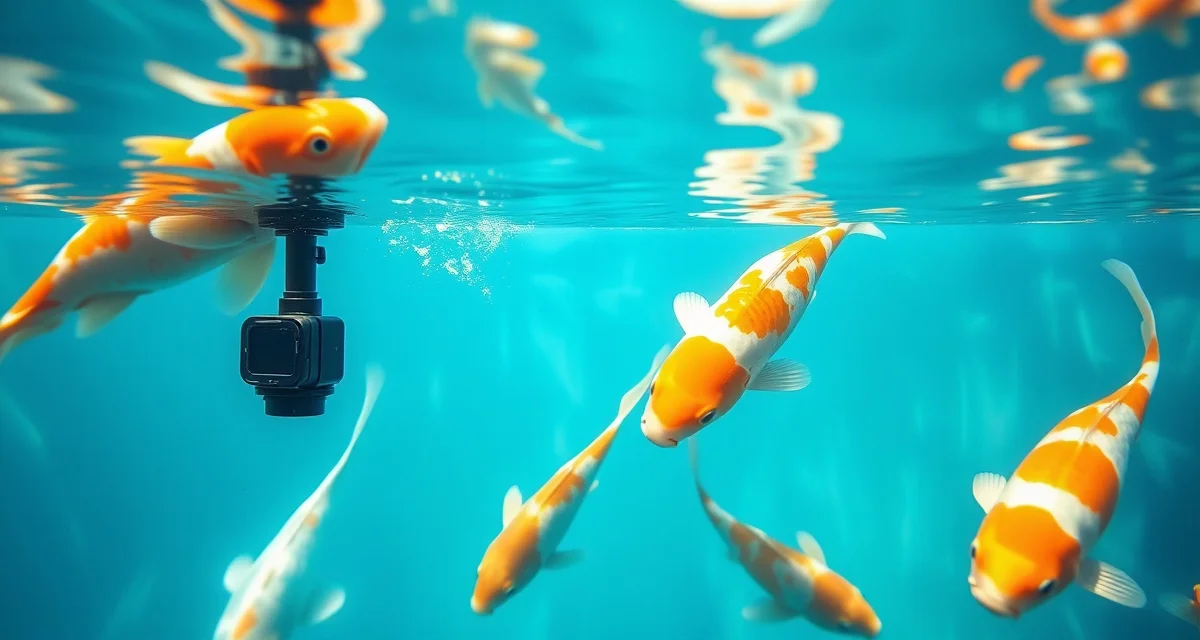
Summer Koi Quarantine: Heat and Oxygen Management
Parasite reproduction rates triple in warm summer water, making treatment timing more critical than at any other time of year. A fluke infestation that takes three weeks to reach clinical significance in spring can reach that same threshold in one week at summer temperatures.
KoiQuanta's summer mode increases dissolved oxygen monitoring frequency in quarantine tanks specifically because summer is when the combination of high temperature, active fish metabolism, and rapid parasite reproduction creates the highest management demands. No competitor adjusts quarantine protocols for summer heat stress.
TL;DR
- Formalin, for example, is significantly more stressful at 25°C+ and should be used with greater caution in summer.
- Be careful not to drop temperature too rapidly (more than 3°C per hour causes thermal shock).
- In summer, observe quarantine fish daily, not every 2-3 days.
- In spring at 12°C, you might observe flashing behavior for 3-4 days before treating, doing a skin scrape to confirm parasites and determine species.
- In summer at 24°C, that same 3-4 day delay allows the parasite population to grow significantly, making treatment harder and prolonging recovery.
- The rule for summer quarantine: treat within 24-48 hours of confirmed behavioral signs, not after waiting to see if symptoms resolve on their own.
- However, do not reduce quarantine below 4 weeks in summer.
Why Summer Quarantine Is Different
In summer, your quarantine tank faces challenges that don't apply in cooler months:
Oxygen depletion. Warm water holds less dissolved oxygen than cold water. Your quarantine tank, which is smaller than your display pond and often less well-aerated, is particularly vulnerable to oxygen drops in high summer temperatures. Fish in quarantine are already stressed; oxygen depletion compounds that stress dramatically.
Accelerated disease progression. At 28°C, bacterial replication rates and parasite reproduction are both near their peak. A disease that would progress slowly in April progresses rapidly in August. This means quarantine observations need to be more frequent, not less frequent, in summer.
Heat stress overlapping with disease signs. Heat-stressed koi show behavioral signs (surface hanging, reduced activity) that overlap with early disease signs. This makes differential diagnosis harder in summer: is this fish struggling from heat, from disease, or from both?
Medication challenges. Some medications are more toxic to fish at high temperatures. Formalin, for example, is significantly more stressful at 25°C+ and should be used with greater caution in summer. Potassium permanganate treatments require careful temperature management. KoiQuanta's temperature-aware dose calculator flags these concerns automatically.
Managing Dissolved Oxygen in Summer Quarantine
The koi dissolved oxygen guide establishes that koi require a minimum of 5 mg/L and prefer 7+ mg/L. In summer quarantine, maintaining this requirement takes active effort.
Mandatory aeration: Summer quarantine tanks need adequate air stones running 24/7. A single small air stone is inadequate for a quarantine tank holding more than a few small koi in hot weather. Size your aeration to the tank volume and fish load.
Avoid warm stagnant periods: Even with an air pump running, very warm water in a closed tank with no surface agitation can develop oxygen stratification. Ensure water movement reaches all areas of the tank.
Testing: KoiQuanta's summer mode prompts dissolved oxygen testing in quarantine tanks every 3 days during heat events, rather than the standard weekly interval. If you don't have a DO meter, now is the time to get one.
Emergency signs: Koi gasping at the surface or milling near the aeration source indicate DO stress. Increase aeration immediately, do a partial water change with cooler water, and shade the tank.
Temperature Management for Summer Quarantine
Your quarantine tank temperature should ideally not exceed 26°C. Above this, heat stress suppresses immune function even in otherwise healthy fish.
Shading: Direct sun on a small quarantine tank in summer can push temperatures well above ambient air temperature. Cover or shade the tank during peak sun hours.
Cooling options: You can add frozen bottles of water or ice bags to reduce quarantine tank temperature during heat events. Be careful not to drop temperature too rapidly (more than 3°C per hour causes thermal shock). Cool gradually.
Indoor quarantine: If outdoor temperatures regularly exceed 30°C in your region, quarantining fish in a cooler indoor space during summer is worth considering, especially for high-value fish.
The koi keeping hot climates guide covers the broader summer management context in warm regions.
Accelerated Observation Schedule
Because disease progresses faster in summer, the standard 48-hour check cycle for quarantine observation isn't adequate.
In summer, observe quarantine fish daily, not every 2-3 days. Check specifically for:
- Early parasitic signs: flashing, rubbing, excess mucus production
- Behavioral changes: reduced activity, isolation, fin clamping
- Feeding behavior: reduced appetite is often the first sign of disease stress
- Gill movement rate: elevated gill rate indicates either oxygen stress or irritation
Log every observation in KoiQuanta with timestamp. In summer quarantine, the detail of your daily observations is what allows you to distinguish a progression trend from normal day-to-day variation.
Treatment Timing in Summer
The faster progression of disease in summer means treatment decisions need to be made earlier in the symptom timeline.
In spring at 12°C, you might observe flashing behavior for 3-4 days before treating, doing a skin scrape to confirm parasites and determine species. In summer at 24°C, that same 3-4 day delay allows the parasite population to grow significantly, making treatment harder and prolonging recovery.
The rule for summer quarantine: treat within 24-48 hours of confirmed behavioral signs, not after waiting to see if symptoms resolve on their own. Symptoms don't resolve on their own in summer. The parasite reproduces too fast.
Summer Quarantine Duration
Summer quarantine can be slightly shorter than winter quarantine in some circumstances, because disease processes manifest faster. A fish with a subclinical parasite infestation in summer will show signs faster than the same fish in winter.
However, do not reduce quarantine below 4 weeks in summer. The shorter incubation and progression periods don't eliminate the need for a full observation window. Some disease presentations, including early viral conditions, can still take 3-4 weeks to become clinically apparent even in warm water.
The KHV active temperature range (16-28°C) falls directly in summer conditions, making KHV risk particularly relevant for summer quarantine. Any fish from an unknown source going through summer quarantine warrants specific attention to KHV signs: lethargy, skin hemorrhages, gill necrosis.
Frequently Asked Questions
How does summer heat affect koi quarantine?
Summer heat accelerates disease progression, accelerates parasite reproduction, and reduces dissolved oxygen availability in quarantine tanks. Treatment decisions need to be made faster because symptoms progress faster. Aeration requirements increase because warm water holds less oxygen and quarantined fish under stress need higher oxygen levels. Temperature management becomes a management task itself: quarantine tanks in direct summer sun can overheat above safe limits. KoiQuanta's summer mode adjusts observation reminder frequency, DO testing intervals, and temperature alerts to account for these summer-specific demands.
What dissolved oxygen level is required in summer quarantine?
Maintain a minimum of 5 mg/L at all times, with a target of 7+ mg/L in summer quarantine. Because summer water holds less oxygen (around 8 mg/L at saturation at 28°C versus 10+ mg/L in cooler water), achieving and maintaining 7 mg/L requires active aeration. Fish in quarantine are already experiencing stress, which increases their oxygen demand compared to stable display pond fish. Test DO in your quarantine tank at least every 3 days during hot weather, and immediately if fish are showing any signs of surface hanging or labored breathing.
Do parasites spread faster in summer quarantine?
Yes, significantly. Most koi external parasites, including gill flukes, body flukes, and protozoan parasites like trichodina and chilodonella, have reproduction rates that increase dramatically with temperature. Parasite populations that double in 5 days at 12°C may double in 36-48 hours at 25°C. This means a light infestation that's manageable with a single treatment in spring can become a heavy, clinical infestation requiring multiple treatment cycles if detection is delayed by even a few days in summer. Daily observation and fast treatment decisions are particularly critical during summer quarantine.
What is Summer Koi Quarantine: Heat and Oxygen Management?
Summer koi quarantine with heat and oxygen management is a specialized protocol for isolating new or sick koi during warmer months. Because parasite reproduction rates can triple in warm water, standard quarantine procedures must be adjusted to account for accelerated disease progression, increased fish metabolism, and reduced dissolved oxygen levels. The approach combines daily observation, faster treatment timelines, and enhanced aeration to safely manage koi health when summer conditions create the highest disease risk of the year.
How much does Summer Koi Quarantine: Heat and Oxygen Management cost?
Summer koi quarantine itself has no direct cost — it is a husbandry practice, not a product. Expenses involve equipment such as a separate quarantine tank, aeration supplies, a thermometer, and treatments like formalin or salt. Basic setups can cost $50–$200 depending on tank size. KoiQuanta's monitoring platform, which automates dissolved oxygen tracking and adjusts quarantine alerts for summer conditions, adds subscription cost but reduces the risk of expensive fish losses.
How does Summer Koi Quarantine: Heat and Oxygen Management work?
In summer quarantine, water temperature accelerates parasite life cycles, so the protocol shortens observation windows dramatically. Rather than waiting 3–4 days to confirm behavioral signs as you might in spring, summer requires treating within 24–48 hours of confirmed symptoms. Dissolved oxygen is monitored more frequently because warm water holds less oxygen. Treatments like formalin are applied at reduced intensity above 25°C to avoid stress, and temperature adjustments are kept below 3°C per hour to prevent thermal shock.
What are the benefits of Summer Koi Quarantine: Heat and Oxygen Management?
Proper summer quarantine prevents a minor parasite issue from becoming a tank-wide crisis. At 24°C, a fluke population that would take three weeks to reach clinical levels in spring can do so in one week. Acting fast protects your investment in quality koi, reduces treatment duration, and limits stress-related secondary infections. Enhanced oxygen management also supports faster recovery, since fish healing in well-oxygenated water consistently outperform those in depleted conditions.
Who needs Summer Koi Quarantine: Heat and Oxygen Management?
Any koi keeper introducing new fish during summer months needs this protocol. It is equally essential for hobbyists treating existing fish showing signs of illness — flashing, lethargy, clamped fins, or excess mucus — when water temperatures are elevated. Experienced keepers who normally rely on spring or autumn quarantine routines should not assume those timelines apply in summer. The accelerated pace of parasite reproduction and the physiological stress of heat make summer a distinct and higher-risk management period.
How long does Summer Koi Quarantine: Heat and Oxygen Management take?
The quarantine period itself typically runs 2–4 weeks, but summer's faster parasite cycle means the critical decision window is much shorter. Behavioral signs must be acted on within 24–48 hours rather than the 3–4 day window acceptable in cooler months. Treatment courses vary by parasite species and severity. Recovery time after treatment can be faster in summer due to higher metabolic rates, provided dissolved oxygen is maintained and fish are not subjected to additional thermal or chemical stress.
What should I look for when choosing Summer Koi Quarantine: Heat and Oxygen Management?
Look for a setup that allows independent temperature and aeration control separate from your main pond. A reliable dissolved oxygen meter or automated monitoring system is more important in summer than any other season. Prioritize treatments proven safe at higher temperatures — verify formalin dosing guidelines specifically for warm water use. If using a management platform, confirm it offers seasonal protocol adjustments rather than a one-size-fits-all quarantine schedule. Daily observation capability, not every-other-day checks, is non-negotiable during summer quarantine.
Is Summer Koi Quarantine: Heat and Oxygen Management worth it?
Yes, for any serious koi keeper, summer-specific quarantine management is absolutely worth it. The cost of losing a high-value koi to an untreated parasite bloom — or a chemical overdose caused by ignoring temperature effects on treatment toxicity — far exceeds the investment in proper equipment and attentive care. Summer is when the margin for error is smallest. A disciplined quarantine protocol that accounts for heat, oxygen, and accelerated disease timelines is the single most effective way to protect your fish through the highest-risk months of the year.
Related Articles
Sources
- Associated Koi Clubs of America (AKCA)
- Koi Organisation International (KOI)
- University of Florida IFAS Extension Aquaculture Program
- Fish Vet Group
- Water Quality Association