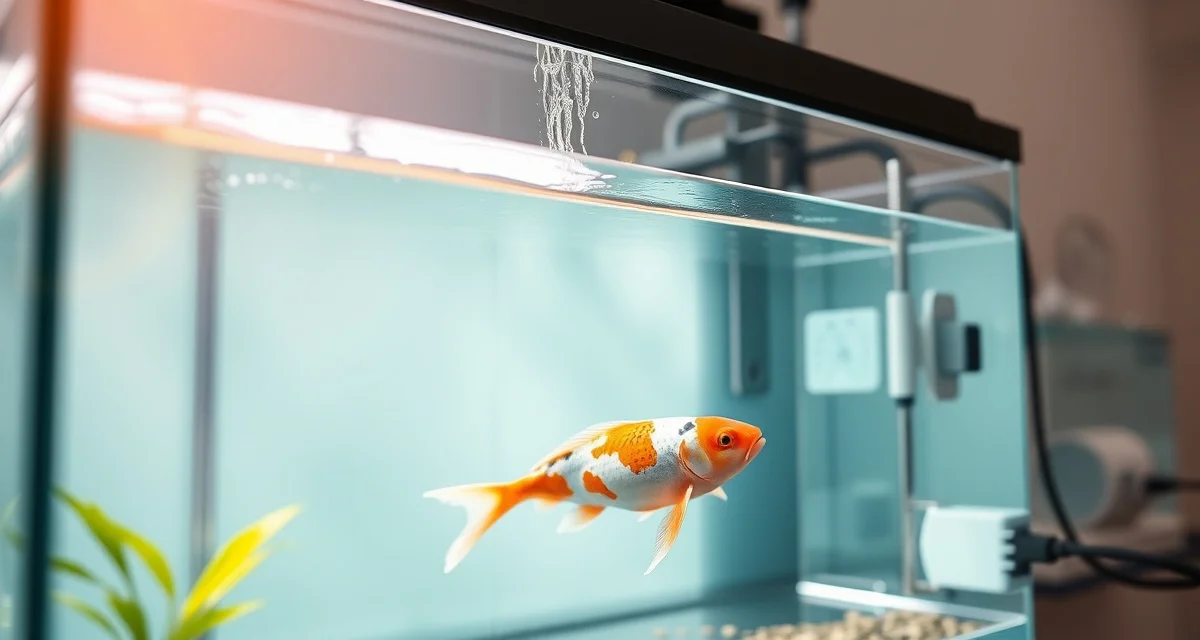
Spring Disease Prevention Quarantine Protocol for Koi
Spring is the highest disease risk period in koi keeping. Koi ulcers and parasites account for over 60% of spring mortality events in koi ponds. Understanding why spring is dangerous and what to do about it before the risk window opens is the difference between a proactive approach and an emergency response.
KoiQuanta's spring mode activates elevated monitoring and disease prevention workflows automatically when pond temperatures consistently exceed 10°C. No competitor has seasonally-differentiated protocols that change management recommendations as conditions change.
TL;DR
- Koi ulcers and parasites account for over 60% of spring mortality events in koi ponds.
- KoiQuanta's spring mode activates elevated monitoring and disease prevention workflows automatically when pond temperatures consistently exceed 10°C.
- During winter, koi immune function suppresses significantly as temperatures drop below 10°C.
- There's a window of 3-6 weeks when temperatures are warm enough for disease-causing organisms to become active, reproduce, and infect, but cold enough that koi immune function hasn't fully recovered.
- Salt at 0.3% covers many protozoan parasites and reduces osmotic stress.
- KoiQuanta's spring treatment calendar pre-loads a praziquantel treatment recommendation at the 12°C temperature trigger, with dose calculated for your specific quarantine or pond volume.
- At 12-15°C, parasite populations double quickly.
Why Spring Is the Highest Risk Period
The mechanism behind spring disease vulnerability is immunological. During winter, koi immune function suppresses significantly as temperatures drop below 10°C. The immune system essentially goes into hibernation alongside the fish.
In spring, as temperatures rise, immune function recovers. But recovery is not instant. There's a window of 3-6 weeks when temperatures are warm enough for disease-causing organisms to become active, reproduce, and infect, but cold enough that koi immune function hasn't fully recovered. This window is when disease strikes hardest.
Bacteria and parasites that were present in the pond all winter but suppressed by cold become pathogenic as temperatures rise. Spring viremia of carp, Aeromonas bacterial infections, and parasitic outbreaks from trichodina and flukes that overwintered all peak in this temperature window.
Pre-Spring Quarantine Review (Before 10°C)
Before your pond warms to 10°C, run a quarantine system health check. This is the time to prepare your quarantine equipment, not when you need it urgently in April.
Equipment check:
- Test your quarantine tank heater. If it's been stored all winter, confirm it's still reaching target temperature.
- Check your quarantine tank pump and filter. Rinse media in pond water (not tap water, which kills beneficial bacteria).
- Confirm you have adequate salt stock and basic medications: praziquantel, potassium permanganate, and an antibiotic if you can legally obtain and store one.
Existing fish assessment:
- Log a full physical observation of every fish in your collection before temperatures reach 10°C.
- Note any existing skin abnormalities, fin damage, or body condition issues. These become your baseline against which spring changes are compared.
- KoiQuanta's spring protocol prompts this pre-season observation and stores it as the baseline for the spring monitoring period.
The Spring Protocol: Temperature-Triggered Steps
Phase 1: 8-12°C (Watch Phase)
When pond temperature first consistently reaches 8-10°C:
- Increase testing frequency to every 2-3 days for ammonia and nitrite. Biological filtration is just waking up at these temperatures; it may lag behind the fish's increased metabolic activity as they become more active.
- Begin light feeding with wheat germ-based food (easily digestible in cold water). Cease feeding below 8°C.
- Observe fish daily for behavioral changes: increased scratching, flashing, gathering at surface, clamped fins.
What diseases are prophylactically treated in spring depends on your pond's history. If you had parasites last spring, prophylactic treatment this spring is justified. If your pond has been clean, wait and observe.
Phase 2: 12-18°C (High Risk Phase)
This is the danger window. Parasite reproduction is active. Koi immune function is still partially suppressed. Any stress (handling, weather changes, water chemistry swings) dramatically increases disease risk.
Prophylactic parasite treatment:
Many experienced keepers treat every pond prophylactically as temperatures reach 12°C, before any signs appear. The evidence supports this approach in ponds with any history of spring parasitic disease.
Praziquantel covers flukes (dactylogyrus and gyrodactylus). Salt at 0.3% covers many protozoan parasites and reduces osmotic stress. Together, these two low-risk interventions cover the majority of spring parasite pressure.
KoiQuanta's spring treatment calendar pre-loads a praziquantel treatment recommendation at the 12°C temperature trigger, with dose calculated for your specific quarantine or pond volume.
Skin scrapes: If any flashing or scratching behavior is observed, a skin scrape is warranted before the problem progresses. At 12-15°C, parasite populations double quickly. Acting within 24-48 hours of first behavioral signs makes treatment much more effective than waiting for visible lesions.
Check what diseases to prophylactically treat in spring: The koi quarantine spring protocol recommends fluke and protozoan coverage as standard. Bacterial prophylaxis is generally reserved for fish with pre-existing wounds or a history of spring bacterial disease.
Phase 3: 18-22°C (Recovery Phase)
By this temperature range, koi immune function is approaching full activity. The acute risk window is closing. However:
- Continue elevated observation frequency through the full spring period
- Any disease that began in Phase 2 needs to be fully resolved before reducing monitoring
- Any new fish should absolutely go through quarantine before entering the display pond. Spring is one of the highest risk periods for new fish introductions.
The koi seasonal management guide maps these temperature triggers to your full annual management calendar.
New Fish Quarantine in Spring
Running a quarantine for new fish in spring requires adjustments to standard protocol. The spring quarantine tank itself needs to be warmer than your outdoor pond to ensure the fish are at the right temperature for proper immune function.
If your pond is at 14°C but your quarantine tank heater can maintain 18-20°C, quarantine the fish at the higher temperature. This gives their immune system a better chance to mount a response to any pathogens while they're in the controlled quarantine environment.
Extend the quarantine observation window for spring fish. Because of the immune depression issue, symptoms can take longer to manifest in cold water. What's a 4-week quarantine in summer should be a 6-week quarantine in spring.
Frequently Asked Questions
What diseases should I treat for prophylactically in spring?
In most ponds with any spring disease history, prophylactic treatment for external parasites is warranted as temperatures reach 12°C. Praziquantel is the standard choice for flukes (dactylogyrus and gyrodactylus), which overwinter successfully and reproduce rapidly in spring. Salt at 0.3% provides coverage for many protozoan parasites including chilodonella and trichodina. Bacterial prophylaxis is not routinely recommended for healthy fish but is appropriate for fish entering spring with existing wounds or skin damage, which are entry points for Aeromonas and pseudomonas infections.
How do I prepare my existing koi collection for spring disease risk?
Start before temperatures reach 10°C. Log a complete physical assessment of every fish as your baseline. Check your quarantine equipment is functional. Confirm your medication stock is current and not expired. Increase water quality testing to every 2-3 days as biological filtration wakes up. Begin observations for behavioral signs of parasites (flashing, scratching, surface hanging). When temperatures reach 12°C, consider prophylactic praziquantel treatment. KoiQuanta's spring protocol mode activates all of these steps as temperature-triggered reminders throughout the season.
What water temperature triggers spring disease in koi?
The highest-risk window opens when water temperatures consistently reach 10-12°C. This is when most spring koi pathogens become active while koi immune function is still in partial recovery from winter depression. The spring viremia of carp (SVC) window is specifically 10-17°C. Bacterial Aeromonas outbreaks peak at 10-20°C. Most external parasites, including gill and body flukes, become highly active and reproducing above 12°C. Koi immune function doesn't fully recover until temperatures consistently exceed 18-20°C, which defines the length of the high-risk spring window.
What is Spring Disease Prevention Quarantine Protocol for Koi?
Spring Disease Prevention Quarantine Protocol for Koi is a structured approach to isolating and monitoring koi during the highest-risk disease window of the year. As pond temperatures rise above 10°C, pathogens like parasites and ulcer-causing bacteria become active before koi immune systems fully recover. The protocol involves quarantining new or recovering fish, treating with salt at 0.3%, and following temperature-triggered treatment schedules—such as a praziquantel dose at 12°C—to get ahead of infections before they spread through your pond.
How much does Spring Disease Prevention Quarantine Protocol for Koi cost?
The protocol itself is a management practice, not a purchasable product, so there's no fixed cost. Expenses depend on your pond size and chosen treatments. Typical inputs include aquarium salt, praziquantel, and water quality test kits. KoiQuanta's platform automates the treatment calendar at no added cost once spring mode activates above 10°C. Budget for treatments early in the season—reactive emergency care after an outbreak almost always costs significantly more than preventive intervention.
How does Spring Disease Prevention Quarantine Protocol for Koi work?
The protocol works by timing interventions to the disease risk window—the 3-6 week period when water is warm enough for pathogens to thrive but too cold for koi immunity to mount a strong defense. Any new or stressed fish are placed in a quarantine tank before entering the main pond. Water temperature is monitored continuously, and specific treatments are triggered at defined thresholds. KoiQuanta automates this by activating elevated monitoring workflows when temperatures consistently exceed 10°C.
What are the benefits of Spring Disease Prevention Quarantine Protocol for Koi?
The core benefit is dramatically reducing spring mortality. Koi ulcers and parasites account for over 60% of spring mortality events, and most are preventable with early action. By treating proactively—before visible symptoms appear—you interrupt parasite life cycles and support fish before immune function peaks. Additional benefits include reduced stress on your fish, lower long-term treatment costs, and the confidence of following a temperature-calibrated protocol rather than guessing when and how to intervene.
Who needs Spring Disease Prevention Quarantine Protocol for Koi?
Any koi keeper with an outdoor pond should follow a spring disease prevention protocol, but it is especially critical for those who added new fish the previous season, experienced disease events in prior years, or have ponds with high stocking density. Beginners benefit most from structured guidance since spring's danger is non-obvious—fish may look fine while pathogens are already multiplying. Experienced keepers with large or valuable collections also have the most to lose from a single uncontrolled spring outbreak.
How long does Spring Disease Prevention Quarantine Protocol for Koi take?
The active quarantine period typically runs 3-6 weeks, aligned with the temperature window between 10°C and approximately 15-18°C when koi immunity is suppressed but pathogens are active. New fish should be quarantined for a minimum of 3-4 weeks before introduction to the main pond. The broader spring prevention window—from initial temperature monitoring through full immune recovery—spans the entire spring season. KoiQuanta's spring mode tracks this automatically so you don't have to calculate timing manually.
What should I look for when choosing Spring Disease Prevention Quarantine Protocol for Koi?
Look for a protocol that is temperature-triggered rather than calendar-based, since spring arrives at different times each year. It should specify clear treatment thresholds—for example, salt at 0.3% as a baseline and praziquantel at 12°C—rather than vague general advice. Quarantine guidance for new fish is essential. Prefer approaches backed by real monitoring data, and be wary of one-size-fits-all schedules. KoiQuanta's seasonally-differentiated protocols update recommendations automatically as conditions change, which most resources and competitors do not offer.
Is Spring Disease Prevention Quarantine Protocol for Koi worth it?
Yes. Spring is the single highest disease risk period in koi keeping, and the cost of prevention is a fraction of the cost of treating an active outbreak—financially and emotionally. A salt treatment and a scheduled praziquantel dose are inexpensive and low-risk. Losing a fish to ulcers or a parasite bloom that could have been stopped is not. If you have any investment in your koi—whether measured in money, years, or attachment—a structured spring quarantine protocol is one of the highest-return actions you can take.
Related Articles
Sources
- Associated Koi Clubs of America (AKCA)
- Koi Organisation International (KOI)
- University of Florida IFAS Extension Aquaculture Program
- Fish Vet Group
- Water Quality Association