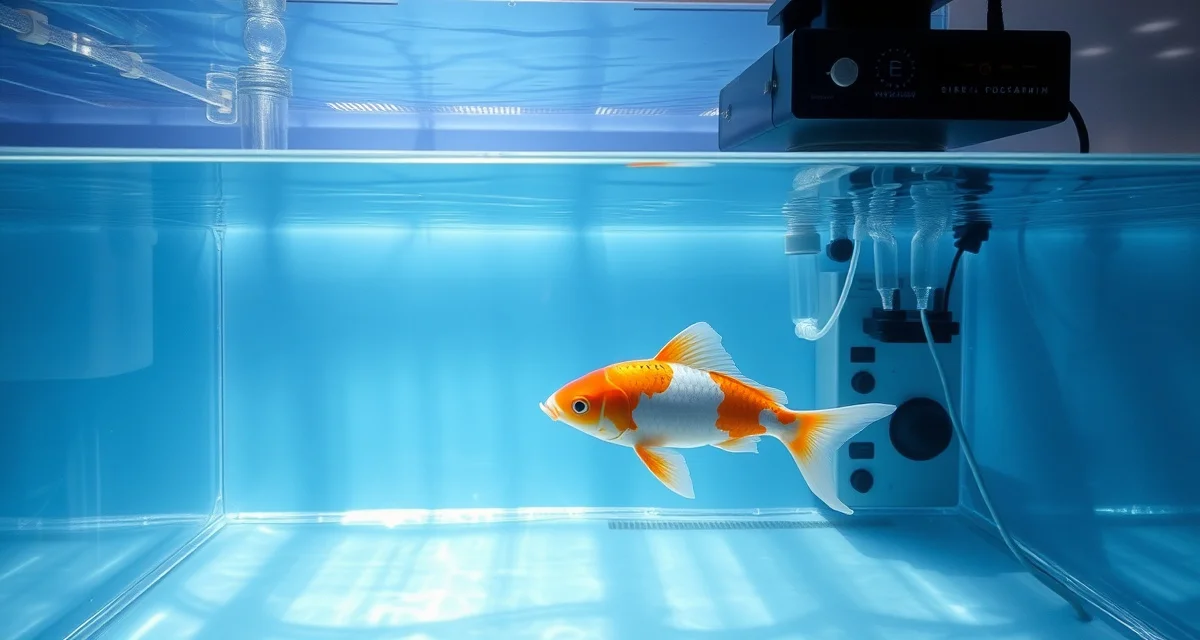
Prophylactic Treatment in Koi Quarantine: For and Against
Prophylactic antiparasitic treatment on arrival reduces quarantine-implementation) failure rates significantly. This is the clearest evidence-best-medications)-based finding in koi quarantine-after-pond-treatment) management, and it applies specifically to external parasites-plant-risk) that are too small to see with the naked eye but capable of causing serious disease.
Should you treat all new koi prophylactically or only treat disease you observe? KoiQuanta's quarantine setup includes a prophylactic treatment option with the standard protocol pre-loaded, making it easy to make an informed choice. Here's the evidence for each approach.
TL;DR
- Salt at 0.3% is low enough risk to justify prophylactic use for virtually all new koi arrivals.
- Salt at 0.3% is commonly used from arrival.
- KoiQuanta connects observations, water data, and treatment records in one searchable history.
- Early detection based on parameter trends reduces treatment costs and fish stress.
- Seasonal changes require adjusted monitoring schedules; automated reminders help maintain consistency.
TL;DR
- Salt at 0.3% is low enough risk to justify prophylactic use for virtually all new koi arrivals.
- Salt at 0.3% is commonly used from arrival.
- KoiQuanta connects observations, water data, and treatment records in one searchable history.
- Early detection based on parameter trends reduces treatment costs and fish stress.
- Seasonal conditions require adjusted monitoring schedules; automated reminders maintain consistency.
What Prophylactic Treatment Means
Prophylactic treatment means applying a medication before you've confirmed the disease it treats. You're treating against a risk, not a confirmed diagnosis.
This sounds counterintuitive to hobbyists trained to diagnose before treating. For bacterial and fungal disease, that caution is entirely correct. For common external parasites, the calculus is different.
The Case For Prophylactic Antiparasitic Treatment
External parasites in koi are nearly universal in the trade. Gill flukes (dactylogyrus), body flukes (gyrodactylus), trichodina, and other protozoan parasites are present on a very high percentage of wild-caught and pond-reared koi, including fish that look completely healthy.
The reason to treat prophylactically is this: you cannot rule out these parasites through visual inspection alone. A skin scrape can confirm parasites, but a negative scrape doesn't guarantee their absence. Flukes are distributed unevenly on the fish's surface; a single scrape from the lateral body may miss flukes concentrated on the gills.
Treating with praziquantel at arrival, when you know the fish have just undergone the significant stress of transportation, makes sense for several reasons:
The stress of transport increases susceptibility. Fish in transit are stressed. Stress suppresses immune function. Suppressed immune function allows subclinical parasite loads to become clinical loads faster.
Praziquantel is low-risk. Praziquantel at therapeutic doses is highly effective against flukes and is low in toxicity to koi. The risk-benefit ratio strongly favors prophylactic use for fish coming from any source that isn't absolutely guaranteed clean.
Salt at 0.3% is almost zero risk. Salt is so low in risk for koi that a prophylactic salt treatment at or shortly after arrival is essentially cost-free in terms of fish welfare.
What professional koi dealers use as standard prophylactic treatment is a useful guide. Most reputable dealers run all new arrivals through a praziquantel treatment in the first week of quarantine regardless of apparent health. Salt is often added from day one. These aren't treatments for diagnosed disease. They're treatments for known endemic parasite risks.
The Case Against Prophylactic Treatment
The strongest argument against prophylactic treatment is the resistance concern. Repeated use of the same medications without confirmed parasite presence selects for resistant strains over time.
This concern is legitimate but should be applied correctly. Antibiotic resistance in koi management is a genuine concern, and prophylactic antibiotic use is not recommended without specific justification. Antiparasitic resistance (particularly to praziquantel) is a concern in some contexts, though currently less documented in koi than in other aquaculture settings.
For bacterial disease, the argument against prophylaxis is strong. Treating all new arrivals with antibiotics is not good practice. It selects for resistant bacteria without providing the targeted benefit that appropriate antibiotic use provides. Antibiotics should be used when bacterial disease is confirmed or strongly suspected, not as routine arrival treatment.
The new koi quarantine protocol reflects this nuance: prophylactic antiparasitic treatment (praziquantel, salt) is recommended as a standard component; prophylactic antibiotic treatment is not routinely recommended.
The Middle Path: Informed Prophylaxis
The practical approach for most hobbyists:
Treat prophylactically with:
- Praziquantel: standard dose for your quarantine tank volume at appropriate temperature. Covers flukes and some other parasites.
- Salt at 0.3%: low risk, covers many protozoan parasites and reduces osmotic stress.
Observe carefully but don't treat prophylactically with:
- Antibiotics: treat only with confirmed or strongly suspected bacterial disease.
- Formalin: use only when protozoan parasites are confirmed by skin scrape.
- Potassium permanganate: reserve for confirmed external parasite situations where other options have failed.
Skin scrape at or shortly after arrival: Confirm parasite presence and identify species before selecting additional treatments beyond the standard prophylactic coverage. A scrape gives you the information to make targeted treatment decisions.
Should I Treat New Koi Even if They Look Healthy?
Yes, for the standard prophylactic antiparasitic protocol. The appearance of a fish is not a reliable indicator of parasite load. A fish can be actively shedding parasites at a clinically significant rate with no visible signs.
"Looking healthy" is a useful observation, but it's one data point. What you can't see is the parasite burden on the gill lamellae, the emerging protozoan colony on the body surface, or the beginning stages of a fluke infestation.
The koi quarantine medications overview covers the evidence base for each medication category and the specific circumstances that justify each use.
Setting Up Prophylactic Treatment in KoiQuanta
KoiQuanta's quarantine setup wizard includes a "prophylactic treatment" option. When you select this option and set your quarantine tank volume, the system loads:
- A praziquantel treatment event on day 3 (allowing 2-3 days of observation before medicating, but treating before parasite populations have had time to establish)
- A salt treatment event on day 1 or day 2
- Observation reminders that increase in frequency after treatment to monitor for response
The prophylactic protocol is pre-loaded but fully adjustable. You can shift timing, change medications, or remove a treatment that you've decided isn't appropriate for your situation.
Frequently Asked Questions
Should I treat new koi with salt on arrival even if they look healthy?
Yes. Salt at 0.3% is low enough risk to justify prophylactic use for virtually all new koi arrivals. The osmotic benefits (reducing the stress of osmoregulation in a new environment) and the mild antiparasitic effect against protozoan parasites make it a near-universal recommendation for arrival management. Salt doesn't mask disease signs. It doesn't interfere with subsequent diagnosis. The risk of not using it (allowing protozoan parasites to establish without any intervention) is much higher than the minimal risk of the treatment itself.
Is prophylactic antibiotic treatment recommended for new koi?
No. Prophylactic antibiotic treatment for new koi is not standard practice and carries meaningful resistance risk without proportionate benefit. Antibiotics should be reserved for situations where bacterial disease is confirmed or strongly suspected based on symptoms, water quality history, and ruling out parasitic causes. If you purchase fish from a source with a known history of bacterial issues, discuss targeted prophylactic antibiotic use with a fish veterinarian who can advise on appropriate selection and dosing. Don't treat empirically with antibiotics as a routine arrival protocol.
What prophylactic treatments are standard at professional koi dealers?
Most professional koi dealers run all new arrivals through a praziquantel treatment in the first week of quarantine to address flukes, which are nearly ubiquitous in the trade. Salt at 0.3% is commonly used from arrival. Some facilities use a potassium permanganate bath at arrival as a rapid external parasite knockdown before moving fish to quarantine tanks, though this requires experienced execution. Prophylactic antibiotic treatment is not standard practice at reputable operations. The goal is parasite management on arrival, with antibiotic use reserved for confirmed bacterial disease.
What records should I keep during this type of event?
Record the date, water temperature, and full parameter readings (ammonia, nitrite, pH, dissolved oxygen), a description of observed signs in each affected fish, any treatments applied with dose and rationale, and the fish's response at 24, 48, and 72 hours post-treatment. These records in KoiQuanta build the health history that makes future events faster to diagnose and treat.
What is Prophylactic Treatment in Koi Quarantine: For and Against?
Prophylactic treatment in koi quarantine means applying medications or treatments to all new arrivals before any disease signs appear. The debate centers on whether to treat proactively—particularly for microscopic external parasites like flukes and ich—or wait for observable symptoms. Evidence strongly supports prophylactic use of salt at 0.3% for virtually all new koi, as invisible parasites can establish before detection, making prevention more effective than reactive treatment during the quarantine window.
How much does Prophylactic Treatment in Koi Quarantine: For and Against cost?
Prophylactic quarantine treatment itself has no fixed price—costs vary by product, pond volume, and fish load. Salt at 0.3% is inexpensive and widely available. Antiparasitic medications like praziquantel or formalin-based treatments range from moderate to higher cost. The real financial case for prophylactic treatment is prevention: treating an established outbreak in your main pond costs significantly more in medications, fish losses, and stress than a structured quarantine protocol from the start.
How does Prophylactic Treatment in Koi Quarantine: For and Against work?
New koi are placed in an isolated quarantine tank for a minimum of 30 days. During this period, water parameters are monitored closely and a treatment protocol is applied—most commonly starting with salt at 0.3% to create an osmotic barrier against common external parasites. Additional antiparasitic treatments may follow a set schedule. Fish are observed daily, and any abnormal behavior or physical signs trigger closer investigation before the fish are cleared for pond introduction.
What are the benefits of Prophylactic Treatment in Koi Quarantine: For and Against?
Prophylactic treatment reduces quarantine failure rates significantly by eliminating parasites too small to observe visually. Salt at 0.3% is low-risk and effective against many external threats. Catching problems before fish enter your main pond protects your existing collection from disease introduction. Proactive treatment also reduces fish stress over time—an untreated parasite burden during quarantine weakens immunity, making fish more vulnerable later. Structured protocols with documented observations improve long-term outcomes and help identify what worked across multiple fish purchases.
Who needs Prophylactic Treatment in Koi Quarantine: For and Against?
Anyone who keeps koi and regularly introduces new fish should understand prophylactic quarantine treatment. It is especially important for hobbyists buying from multiple sources, importers handling large volumes, and breeders maintaining valuable or show-quality stock. Even experienced keepers with established healthy ponds benefit, since any new arrival—regardless of apparent health at purchase—can carry microscopic parasites or pathogens that pose no visible signs until conditions allow them to proliferate.
How long does Prophylactic Treatment in Koi Quarantine: For and Against take?
A standard prophylactic quarantine protocol runs a minimum of 30 days. Salt treatment at 0.3% typically begins on arrival and is maintained throughout. Targeted antiparasitic treatments have their own durations—praziquantel courses often run 5–7 days, sometimes repeated. The full quarantine window allows time to observe fish behavior, run treatment cycles, confirm recovery, and monitor water parameters for stability. Rushing the timeline increases risk; 30 days is considered the minimum evidence-based threshold for meaningful disease prevention.
What should I look for when choosing Prophylactic Treatment in Koi Quarantine: For and Against?
Look for protocols grounded in observable evidence rather than guesswork. Salt at 0.3% should be a baseline given its low risk and broad efficacy. Prioritize treatments with known safety profiles at recommended doses—avoid stacking multiple aggressive chemicals simultaneously. Choose a system that lets you log water parameters, treatment dates, and fish observations in one place so patterns are visible over time. KoiQuanta's quarantine setup includes pre-loaded standard protocols, making it easier to apply consistent, evidence-based decisions across every new arrival.
Related Articles
- Using Quarantine Documentation in Koi Sales-documentation-for-sales)
Sources
- Associated Koi Clubs of America (AKCA)
- Koi Organisation International (KOI)
- University of Florida IFAS Extension Aquaculture Program
- Fish Vet Group
- Water Quality Association
Sources
- Associated Koi Clubs of America (AKCA)
- Koi Organisation International (KOI)
- University of Florida IFAS Extension Aquaculture Program
- Fish Vet Group
- Water Quality Association