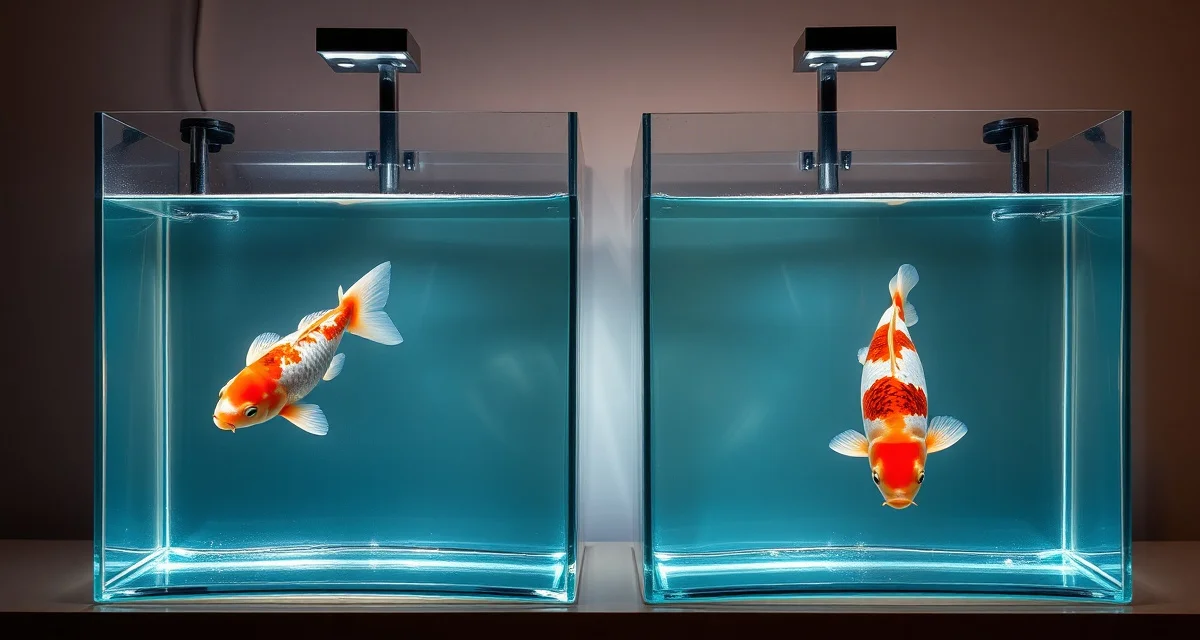
Group vs Individual Koi Quarantine: When to Separate
Mixing new fish from different sources in one quarantine tank creates pathogen mixing events. Two fish each carrying different pathogens, neither of which they're visibly sick from, can cross-infect each other in a shared quarantine tank, producing disease that wouldn't have occurred if they'd been quarantined separately.
KoiQuanta supports both group batch and individual fish quarantine profiles, and the decision between them has real health consequences. This guide covers when each approach is appropriate.
TL;DR
- A group of 3-5 fish in a quarantine tank is manageable.
- A group of 15+ fish makes individual observation impractical and defeats the purpose.
- If fish 3 shows fin clamping on day 10, you want that event recorded against fish 3 specifically, not against the whole batch.
- Early detection based on parameter trends reduces treatment costs and fish stress.
- Seasonal changes require adjusted monitoring schedules; automated reminders help maintain consistency.
When Group Quarantine Is Acceptable
Group quarantine is appropriate when all of the following conditions are met:
All fish are from the same source. Fish from the same pond at the same dealer have likely been exposed to the same pathogen environment. Quarantining them together doesn't create new cross-exposure; it maintains the exposure status they already had.
Fish arrived at the same time. A batch that arrived together has the same incubation timeline. If one fish develops disease, the others have been co-exposed from day one, which means the quarantine clock is the same for all of them.
The group is small enough to observe individually. Even in group quarantine, you need to be able to assess each fish individually every day. A group of 3-5 fish in a quarantine tank is manageable. A group of 15+ fish makes individual observation impractical and defeats the purpose.
No individual is showing signs of disease at arrival. If any fish in the group shows signs of active disease at arrival, that fish needs individual isolation from the rest of the group immediately.
When all four conditions are met, group quarantine is appropriate and more practical than individual isolation for that batch.
When Individual Quarantine Is Required
Individual quarantine should be used when:
Fish are from different sources. This is the most critical trigger. Two fish from different dealers bring different pathogen environments together. Mixing them immediately creates cross-contamination risk. New koi quarantine protocol requires source separation as a baseline rule.
Any fish has disease signs at arrival. A sick fish belongs in its own isolation container, completely separate from any other fish. Even if the others from the same source are healthy, a fish that's showing active disease signs is shedding pathogens at a higher rate.
You're quarantining a high-value fish. When a single fish is worth $500, $1,000, or more, the investment in individual quarantine is small relative to the protection it provides. A problem that affects one tank doesn't affect others.
You've had recurrent quarantine failures. If disease has passed through your quarantine system multiple times, separating fish is one way to break the contamination chain and identify which source or which individual is the problem.
One fish shows signs during quarantine. Even if fish started in group quarantine, if one fish develops symptoms, it should be removed to individual isolation immediately to prevent spreading the condition to others in the group.
The Pathogen Mixing Problem
When you combine fish from Source A and Source B in the same quarantine tank, you create potential exposure to both sets of pathogens. This matters because:
- Fish can be immune carriers of one pathogen (no disease, but actively shedding) while being naive and fully susceptible to a different pathogen
- A fish immune to the bacterial strains in its home environment may be fully susceptible to the bacterial strains another fish is carrying
- Viral exposure risks are particularly concerning: KHV-immune fish don't become visibly sick, but can potentially expose naive fish to the virus
The concept is the same as disease biosecurity in any context: don't mix populations with unknown and potentially different pathogen histories until you've confirmed each is clean.
Related Articles
- Before and After: What Happens When You Actually Implement Koi Quarantine-implementation)
- The Complete Koi Quarantine Guide: Everything You Need to Know
FAQ
What is Group vs Individual Koi Quarantine: When to Separate?
Group vs individual koi quarantine refers to the decision of whether to house new fish together in a shared tank or isolate each fish separately during the quarantine period. Group quarantine works when all fish come from the same source and appear healthy. Individual quarantine is used when fish arrive from different sources, show symptoms, or need precise health tracking. The choice directly impacts disease transmission risk and your ability to detect problems early.
How much does Group vs Individual Koi Quarantine: When to Separate cost?
Quarantine itself has no fixed price — it's a husbandry practice, not a product. However, running separate quarantine tanks for individual fish increases equipment, water treatment, and labor costs compared to a single group tank. KoiQuanta helps you decide which approach is warranted so you don't over-invest in individual setups when group quarantine is safe, or under-invest when pathogen risk makes separation necessary.
How does Group vs Individual Koi Quarantine: When to Separate work?
When new koi arrive, they enter a quarantine period of typically 4–6 weeks before joining your main pond. In group quarantine, fish from the same source share one tank and are monitored as a batch. In individual quarantine, each fish gets its own tank with its own health log. KoiQuanta tracks symptoms, parameters, and treatment events per fish or per batch, flagging anomalies like fin clamping or appetite loss against the specific fish rather than the whole group.
What are the benefits of Group vs Individual Koi Quarantine: When to Separate?
Individual quarantine lets you catch problems early and trace them precisely — if one fish develops symptoms on day 10, you know which fish, what changed, and what treatment was applied. Group quarantine is more practical for small batches from a single source and reduces equipment overhead. The real benefit of choosing correctly is avoiding pathogen mixing events, where two fish carrying different pathogens cross-infect each other in a shared tank, creating disease that wouldn't have occurred otherwise.
Who needs Group vs Individual Koi Quarantine: When to Separate?
Any koi keeper introducing new fish to an established pond needs a quarantine strategy. Hobbyists buying 2–3 fish from one breeder can usually manage group quarantine safely. Collectors buying fish from multiple dealers, show fish returning from events, or anyone adding a single high-value specimen should use individual quarantine. If you're managing 15 or more fish simultaneously, individual observation becomes impractical without a tracking system to flag which fish is showing which symptom.
How long does Group vs Individual Koi Quarantine: When to Separate take?
A standard koi quarantine period runs 4–6 weeks. Individual quarantine doesn't extend that timeline, but it does increase the monitoring workload per fish. With KoiQuanta's automated reminders and per-fish health profiles, the added overhead is manageable. The duration may extend if a fish develops symptoms mid-quarantine — the clock typically resets or pauses until the fish is treated and stable. Seasonal temperature changes also affect quarantine length since koi immune function slows in colder water.
What should I look for when choosing Group vs Individual Koi Quarantine: When to Separate?
The most important factor is source: fish from different dealers, farms, or shows must be quarantined individually to prevent pathogen mixing. Beyond that, look at group size — 3–5 fish is manageable as a batch, but 15+ makes individual observation impractical. Choose a system that records symptoms against specific fish, not just the batch. Automated parameter trend alerts and treatment logging are critical for catching early warning signs before they become costly outbreaks.
Is Group vs Individual Koi Quarantine: When to Separate worth it?
Yes — choosing the right quarantine approach is one of the highest-leverage decisions in koi keeping. A single pathogen mixing event in a shared quarantine tank can infect your entire collection. Individual quarantine for high-risk fish prevents this. For low-risk same-source batches, group quarantine saves time and resources without meaningful added risk. Using KoiQuanta to match the approach to the situation means you're not guessing — you're making a data-informed call that protects both fish health and your investment.
Sources
- Associated Koi Clubs of America (AKCA)
- Koi Organisation International (KOI)
- University of Florida IFAS Extension Aquaculture Program
- Fish Vet Group
- Water Quality Association