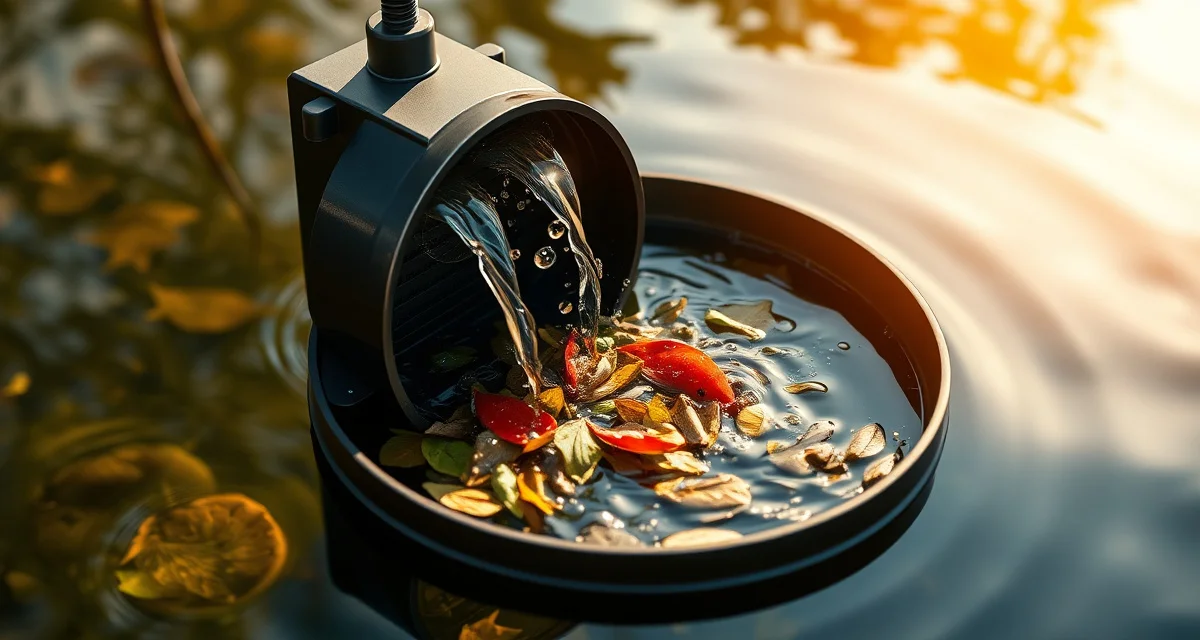
Koi Pond Skimmer: Surface Skimming and Debris Management
Organic surface debris represents a significant nutrient load that drives algae and bacterial growth. Every leaf, piece of pollen, insect, and food particle that sinks to your pond bottom and decomposes contributes to ammonia and nitrate load. Catching debris at the surface before it sinks is one of the most effective organic load management strategies available.
KoiQuanta's equipment log correlates skimmer performance with organic load readings. No competitor tracks equipment performance against koi pond water quality tracker the way KoiQuanta does.
TL;DR
- Consistent water quality monitoring is the most effective way to prevent problems with koi pond skimmer.
- Tracking trends over time reveals issues before they become visible in fish behavior.
- KoiQuanta connects observations, water data, and treatment records in one searchable history.
- Early detection based on parameter trends reduces treatment costs and fish stress.
- Seasonal changes require adjusted monitoring schedules; automated reminders help maintain consistency.
How Pond Skimmers Work
A pond skimmer uses the pond's pump flow to create a surface current that draws floating debris into a collection basket or net. Water enters just below the water surface, carrying debris with it, and passes through a debris basket that captures floating material before the water continues to the pump and filtration system.
Two main skimmer designs are used in koi ponds:
Box skimmers (pond skimmers): A rigid housing installed at the pond edge with a floating weir door that adjusts with water level. Water flows through the weir, into a basket or net for debris capture, then into a pump compartment. This is the most common design for ornamental koi ponds.
Floating skimmers: A floating device connected to the pump via flexible hose that adjusts to changing water levels. Simpler but less effective for large debris loads.
Surface skimmer fittings (plumbing-integrated): Some larger koi pond systems integrate skimmer fittings directly into the pond wall at the waterline, connected to the main pump plumbing. These are highly effective but must be planned during construction.
Does a Koi Pond Need a Skimmer?
Not every koi pond requires a skimmer, but they provide significant benefit in specific situations.
Skimmers are most beneficial in:
- Ponds located near trees (leaf fall creates significant organic load)
- Ponds with heavy feeding (food particles float initially before sinking)
- Ponds with algae on the surface (green water, string algae at surface)
- Larger ponds where manual debris removal is impractical
Skimmers are less critical in:
- Small ponds where daily manual removal is easy
- Ponds in very clean locations with minimal leaf and pollen fall
- Koi ponds where the primary filtration strategy is bottom drain-based
Sizing a Skimmer for Your Pond
Skimmer capacity is matched to pump flow rate, not directly to pond volume. The skimmer must be able to handle the flow rate your pump delivers to it.
Most box skimmer models are rated for a maximum flow rate. Check that your pump's output to the skimmer is within the rated capacity. Undersized skimmers overflow or lose effectiveness. Oversized skimmers work fine.
For a typical koi pond setup:
| Pond Volume | Typical Pump Flow | Skimmer Size Needed |
|---|---|---|
| 500-1,000 gallons | 1,000-2,000 GPH | Small box skimmer |
| 1,000-3,000 gallons | 2,000-4,000 GPH | Medium box skimmer |
| 3,000-6,000 gallons | 4,000-8,000 GPH | Large box skimmer or multiple skimmers |
If you're running a larger pond with a drum filter, the drum filter often handles surface skimming through its own intake design. Check whether your drum filter system includes skimming capability before adding a separate skimmer.
Skimmer Placement
Position the skimmer on the downwind side of the pond. Wind naturally blows floating debris to the downwind edge, where the skimmer can capture it most effectively. If your prevailing wind changes direction seasonally, consider skimmer placement that covers the most common wind direction in the season with the heaviest debris load (autumn for most regions).
Place the skimmer away from waterfalls and pump returns. These inflows create surface currents that can direct debris away from the skimmer's draw zone.
How a Pond Skimmer Affects Water Quality
The organic load reduction from effective surface skimming is measurable. Leaves, pollen, insects, and other surface debris contain nitrogen, phosphorus, and organic carbon. Before they sink and decompose through bacterial action (which consumes oxygen and produces ammonia), they're relatively concentrated at the surface.
Capturing surface debris before it sinks removes that nutrient load entirely from the pond system. In ponds near deciduous trees, autumn leaf capture through a skimmer can measurably reduce the ammonia spike that commonly accompanies leaf fall.
KoiQuanta's organic load correlation (linking feeding records and seasonal debris events to ammonia readings) becomes more useful when you can add skimmer operational status as a variable. You can see whether ammonia tracks differently during periods when the skimmer basket was full and less effective versus periods of regular cleaning.
Skimmer Maintenance
A skimmer basket that's full of debris doesn't skim. Regular basket cleaning is essential for effective performance:
- In heavy leaf fall (autumn): clean the basket daily
- In normal operation: check and clean every 2-3 days
- In summer: weekly cleaning is typically adequate
Set a KoiQuanta equipment maintenance reminder for skimmer cleaning at the appropriate interval for your season and debris load.
The koi pond algae management Connection
Surface skimming is one component of overall organic load management that includes algae management. Blanketweed and suspended algae contribute organic load when they die and decompose. A skimmer that captures dying algae at the surface before it sinks reduces the organic contribution of algae turnover cycles.
Frequently Asked Questions
Does a koi pond need a skimmer?
Not every koi pond requires a skimmer, but one provides significant benefit in ponds near trees, heavily fed ponds, and larger ponds where manual debris removal is impractical. The core benefit is capturing floating organic debris (leaves, pollen, uneaten food) before it sinks and decomposes, which would add ammonia and organic acid load to the pond. In a clean pond location with minimal debris fall and easy manual surface maintenance, a skimmer provides less marginal benefit. The decision should be based on your specific debris load and management situation.
How do I size a skimmer for my koi pond?
Size the skimmer to handle your pump's flow rate to the skimmer. Most box skimmers are rated for a maximum gallons-per-hour flow. Match the skimmer's maximum flow rating to your pump's output. For practical sizing: small skimmers (rated to 2,000-3,000 GPH) are suitable for ponds up to 1,500 gallons with typical pump rates; medium skimmers (3,000-5,000 GPH) cover most hobbyist ponds up to 3,000 gallons; large skimmers or multiple units are needed for larger ponds. When in doubt, size up slightly. An oversized skimmer works fine; an undersized skimmer loses effectiveness and can overflow.
How does a pond skimmer affect water quality?
A well-functioning skimmer removes organic debris from the water before it sinks and decomposes, directly reducing the ammonia, nitrate, and organic acid contribution from decomposing surface debris. In ponds near trees, effective skimming during autumn leaf fall measurably reduces the ammonia spike associated with heavy leaf input. In ponds with moderate organic load from feeding, capturing surface food particles before they sink reduces the ammonia contribution from uneaten food. The improvement in water quality is most pronounced in ponds with significant debris load from natural sources; the benefit is less dramatic in clean pond locations with minimal debris fall.
What is Koi Pond Skimmer: Surface Skimming and Debris Management?
A koi pond skimmer is a filtration device that removes floating debris — leaves, pollen, insects, and uneaten food — from the water surface before it sinks and decomposes. Surface skimming and debris management refers to this proactive approach to organic load control. By intercepting waste at the surface, skimmers reduce ammonia and nitrate buildup, keeping water cleaner and reducing the burden on your biological filter and overall pond maintenance routine.
How much does Koi Pond Skimmer: Surface Skimming and Debris Management cost?
Pond skimmers range from around $50 for basic floating models to $500 or more for large in-pond or box skimmers with high flow capacity. Installation costs vary depending on plumbing complexity. Ongoing costs are minimal — occasional basket cleaning and pump electricity. The investment pays off through reduced algae treatments, less manual debris removal, and better long-term water quality, which lowers fish health risks and overall maintenance expenses.
How does Koi Pond Skimmer: Surface Skimming and Debris Management work?
A pond skimmer connects to your pump system and draws water in just below the surface, pulling floating debris into a collection basket or net. The current created by pump flow acts like a gentle conveyor, directing surface material toward the skimmer mouth. Water passes through while solids are trapped. You empty the basket regularly — often every few days during heavy leaf fall — to prevent trapped debris from decomposing back into the water.
What are the benefits of Koi Pond Skimmer: Surface Skimming and Debris Management?
Surface skimming reduces the organic load entering your pond, which directly limits algae growth, ammonia spikes, and bacterial blooms. Key benefits include cleaner water with less frequent interventions, reduced pressure on biological filtration, lower nitrate accumulation, and a healthier environment for koi. Skimmers also reduce manual netting labor. When paired with consistent water quality tracking, they help you detect filtration trends early and adjust maintenance before problems affect fish health or behavior.
Who needs Koi Pond Skimmer: Surface Skimming and Debris Management?
Any koi pond owner dealing with recurring debris, algae, or water quality fluctuations will benefit from surface skimming. It's especially valuable for ponds near trees, in areas with heavy pollen seasons, or with high fish stocking density. Hobbyists who want to reduce hands-on cleaning time and those tracking water parameters closely will see the most measurable impact. Larger ponds or those with significant organic input from feeding and wildlife should treat skimmers as essential, not optional.
How long does Koi Pond Skimmer: Surface Skimming and Debris Management take?
Installing a basic floating skimmer takes one to two hours. Box or in-pond skimmers with plumbing integration may take a half day or a full weekend depending on your pond's existing setup. Once installed, the skimmer runs continuously with your pump. Basket cleaning takes five to ten minutes and should happen every few days during active seasons. Consistent use over weeks and months gradually reduces baseline organic load, with noticeable water clarity improvements often visible within the first few weeks.
What should I look for when choosing Koi Pond Skimmer: Surface Skimming and Debris Management?
Look for a skimmer sized to match your pump's flow rate — undersized skimmers won't clear the surface effectively. Check basket or net capacity, as larger baskets require less frequent emptying. Consider ease of access for cleaning and whether the design suits your pond's shape. Weir-style skimmers with adjustable water level entry adapt better to fluctuating pond levels. Durable UV-resistant materials extend lifespan. If you track water quality data, choose equipment you can log consistently to correlate skimmer performance with parameter trends.
Is Koi Pond Skimmer: Surface Skimming and Debris Management worth it?
Yes, for most koi ponds a surface skimmer is one of the highest-value filtration investments you can make. Catching debris before it sinks prevents the ammonia and nitrate load that drives the majority of water quality problems. The cost is low relative to algaecides, treatments, or emergency fish care. Ponds with consistent skimming show steadier parameter readings over time. When you track equipment performance alongside water quality data, the correlation between effective skimming and stable, healthy pond conditions becomes clear.
Related Articles
- Koi Dealer Software for South Carolina Lowcountry: Coastal Pond Management
- Upgrading Your Koi Pond: Health Management During Expansion
Sources
- Associated Koi Clubs of America (AKCA)
- Koi Organisation International (KOI)
- University of Florida IFAS Extension Aquaculture Program
- Fish Vet Group
- Water Quality Association