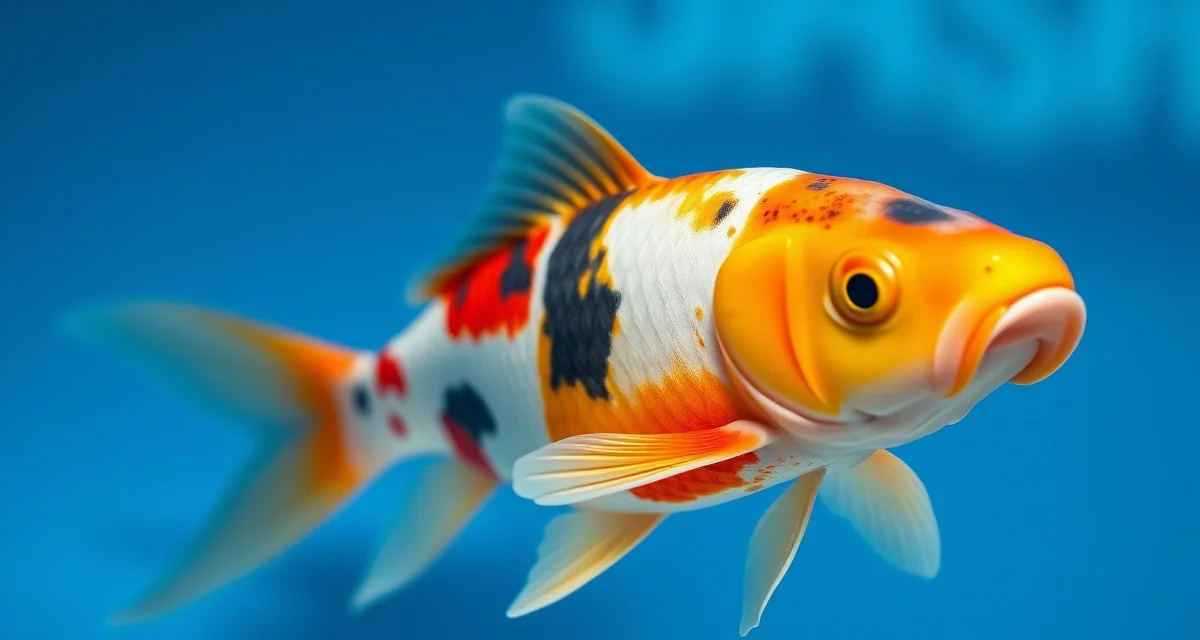
Why Is My Koi Losing Color: Causes and Solutions
Diet is responsible for up to 40% of koi color intensity. Carotenoid-rich food directly supports the pigment production that creates vivid reds, oranges, and yellows in koi. A fish on a poor diet can fade significantly even without any health problems.
KoiQuanta's fish profiles track color notes over time to identify fading patterns. No competitor links color observation to health management action in a way that connects diet, disease, and stress as potential causes.
TL;DR
- Check: - Water quality parameters (ammonia, nitrite, DO) - Stocking density - Any persistent disease signs (even mild parasitic infestation causes chronic stress) ### 3.
- When you photograph your fish every 4-6 weeks and compare images in the gallery, gradual color changes become visible that you wouldn't notice by memory alone.
- Diet accounts for up to 40% of koi color intensity, making it the most impactful single factor you can control.
- Early detection based on parameter trends reduces treatment costs and fish stress.
- Seasonal changes require adjusted monitoring schedules; automated reminders help maintain consistency.
The Main Causes of Koi Color Loss
1. Diet and Nutrition
This is the most controllable cause of koi color fading. Koi color depends on:
Carotenoids for red and orange pigmentation. Koi cannot synthesize carotenoids themselves. They must absorb them from food. Spirulina, krill, astaxanthin, and carotenoid-supplemented koi foods provide the precursors for red and orange color development. A diet of plain wheat germ pellets without color-enhancing ingredients will gradually fade red and orange pigments over months.
Feed color-enhancing food from late spring through early autumn when water temperatures allow active digestion (above 15°C). In winter when koi are on wheat germ, color intensity naturally fades and recovers in spring with color food resumption. This is normal seasonal variation, not disease.
2. Stress
Stress causes koi to fade temporarily through hormonal mechanisms. Acute stress (netting, transport, handling) causes rapid, temporary color loss that typically recovers within hours to a few days. Chronic stress (poor koi pond water quality tracker, overcrowding, persistent parasite load) causes sustained color fading that doesn't recover until the stressor is resolved.
If a fish is losing color without an obvious cause, chronic stress is a strong candidate. Check:
- Water quality parameters (ammonia, nitrite, DO)
- Stocking density
- Any persistent disease signs (even mild parasitic infestation causes chronic stress)
3. Disease
Active disease causes color fading through both the stress response and direct skin effects. Some diseases are particularly associated with color change:
Bacterial infections: Active bacterial disease often causes skin color changes around affected areas. Fish may appear paler overall as systemic illness suppresses pigment cell activity.
Parasitic infestations: Heavy external parasite loads cause significant stress and can produce a general paleness or graying of coloration. A fish with heavy trichodina or chilodonella infestation often looks washed-out before any lesions are visible.
Fungal infections: Saprolegnia fungal infections produce white or gray cotton-like growths that physically obscure color in affected areas.
4. Age and Genetics
Some color fading in koi is natural and age-related. White areas can develop in varieties where they weren't present earlier in life (this can be desirable in some varieties and a flaw in others). Some varieties have inherently unstable pigmentation that changes with age.
Color changes from genetic fading typically evolve very slowly over years, affect specific areas in predictable patterns, and occur without any disease or water quality problems. This is distinct from the relatively rapid, diffuse fading associated with dietary or disease causes.
5. Sun Exposure
Interestingly, some koi varieties need adequate sun exposure for color development, while others are bleached by excessive direct sun. Varieties with heavy pigmentation can have color fade in areas of intense direct sun exposure. Partially shaded ponds often produce better color quality in summer than ponds with no shade.
Related Articles
- Green Water in Koi Ponds: Causes, Risks, and How to Clear It
- What Happens If You Overstock a Koi Pond? Signs and Solutions
- Koi Pop Eye (Exophthalmia): Causes, Treatment, and Recovery
FAQ
What is Why Is My Koi Losing Color: Causes and Solutions?
This article covers the most common reasons koi fish lose their vibrant coloration and provides actionable solutions for each cause. Topics include diet and carotenoid deficiencies, water quality problems, disease and parasites, stress from overcrowding, and seasonal changes. It also explains how tools like KoiQuanta's fish profiles can help you track color changes over time and connect fading patterns to specific health or environmental triggers.
How much does Why Is My Koi Losing Color: Causes and Solutions cost?
Reading this article is completely free. KoiQuanta provides this guide as an educational resource for koi keepers at all experience levels. Some recommended solutions—such as premium color-enhancing foods, water testing kits, or KoiQuanta's fish profile and photo tracking features—may have associated costs, but the core diagnostic information and care advice in this article costs nothing to access.
How does Why Is My Koi Losing Color: Causes and Solutions work?
The article walks you through a systematic diagnostic process: first evaluating diet and carotenoid intake, then checking water quality parameters like ammonia, nitrite, and dissolved oxygen, then assessing stress factors such as stocking density, and finally looking for signs of disease or parasites. Each cause is paired with a targeted solution, so you can identify the most likely culprit and act on it directly.
What are the benefits of Why Is My Koi Losing Color: Causes and Solutions?
Understanding why your koi is losing color lets you intervene early before fading becomes permanent or signals a serious health issue. The key benefits include protecting your fish's long-term health, preserving the visual quality of your pond, reducing treatment costs through early detection, and learning how to optimize diet, water quality, and stocking levels so your koi maintain vivid coloration year-round.
Who needs Why Is My Koi Losing Color: Causes and Solutions?
Any koi keeper who has noticed their fish looking duller, paler, or less vibrant than usual will benefit from this guide. It's especially useful for hobbyists who have recently changed their fish's diet, experienced water quality fluctuations, added new fish to the pond, or are heading into seasonal transitions when monitoring needs to shift. Both beginners and experienced keepers will find actionable takeaways.
How long does Why Is My Koi Losing Color: Causes and Solutions take?
Diagnosing the cause of color loss can take anywhere from a few hours to several weeks depending on the underlying issue. Water quality problems can often be identified and corrected within days. Nutritional deficiencies may take four to eight weeks of dietary changes before visible color improvement appears. Disease or parasite treatment timelines vary. Photographing your fish every four to six weeks makes gradual progress easier to track.
What should I look for when choosing Why Is My Koi Losing Color: Causes and Solutions?
When applying the solutions in this article, prioritize water quality testing first since parameter problems can mask or worsen other causes. Look for color-enhancing foods that list spirulina, astaxanthin, or other carotenoid sources prominently in the ingredients. If disease is suspected, identify the specific pathogen before treating. Use consistent photo documentation to measure whether interventions are working rather than relying on memory alone.
Is Why Is My Koi Losing Color: Causes and Solutions worth it?
Yes. Koi color loss is often an early warning sign of stress, disease, or nutritional deficiency, so addressing it promptly protects both the health and value of your fish. Diet alone accounts for up to 40% of color intensity—a factor entirely within your control. Investing time in diagnosis and making targeted adjustments to feeding, water quality, and stocking density pays off in healthier, more vibrant fish long term.
Sources
- Associated Koi Clubs of America (AKCA)
- Koi Organisation International (KOI)
- University of Florida IFAS Extension Aquaculture Program
- Fish Vet Group
- Water Quality Association