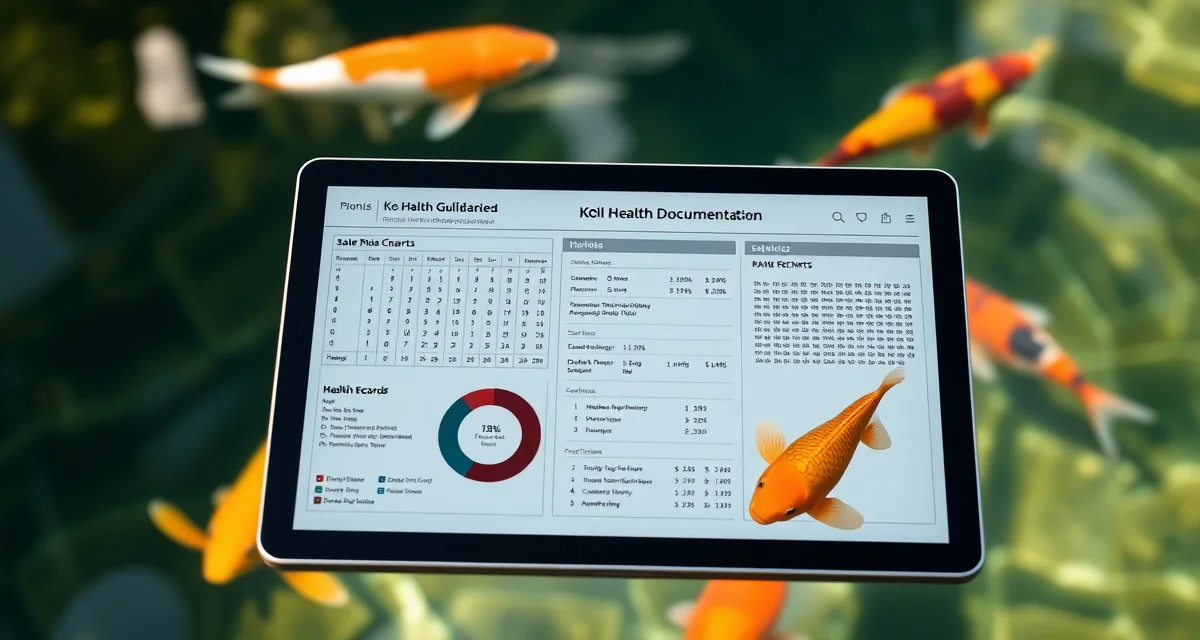
Koi Dealer Sales Documentation: Health Records That Go With the Fish
Koi-documentation-for-sales) buyers who receive complete health documentation with their fish are 3x more likely to make repeat purchases from the same dealer. The documentation does two things simultaneously: it provides practical information the buyer needs to care for their new fish, and it signals that the dealer operates with the level of professionalism that justifies the price they're asking.
KoiQuanta's buyer-facing health summary exports a clean, professional health record for each sold fish that dealers can provide as a sale document - the kind of documentation that buyers at premium price points expect and that creates measurable customer retention.
TL;DR
- A fish that had mild flukes at intake, was treated successfully, and has been healthy for 20 days before sale is a fish with a documented clean bill of health - more reassuring than a fish with no history at all.
- At the $500+ price point for premium koi, buyers expect documentation.
- At the $2,000+ price point for significant specimens, documentation is table stakes - a buyer spending that much on a fish should receive, and expects, a complete health dossier.
- Early detection based on parameter trends reduces treatment costs and fish stress.
- Seasonal changes require adjusted monitoring schedules; automated reminders help maintain consistency.
What Sales Documentation Should Include
A buyer receiving a koi fish benefits from knowing several things that a professional health summary provides:
Quarantine history. When did the fish arrive at the dealer? How long was it in quarantine? What prophylactic treatments were administered, and on what dates? A buyer who knows their new fish completed a 30-day quarantine with a full treatment protocol has specific, credible reassurance - not a general claim about "our quarantine standards."
Health status at sale. What was the fish's health status at the time of sale? Any health events during quarantine, and if so, how were they resolved? A fish that had mild flukes at intake, was treated successfully, and has been healthy for 20 days before sale is a fish with a documented clean bill of health - more reassuring than a fish with no history at all.
Source information. Where did the fish come from? Domestic source, specific farm, or Japan import (with country of origin)? Buyers making significant purchases often want this provenance information.
Care instructions context. The health summary can include the water quality parameters the fish was maintained under during quarantine - the buyer now knows what conditions the fish is acclimated to, which helps them transition the fish into their pond without the shock of dramatically different parameters.
Lot compliance reference. A reference to the lot number and compliance documentation allows buyers to verify the dealer's import documentation if they choose.
Generating the Buyer-Facing Health Summary
For each fish being sold, KoiQuanta generates a buyer-facing health summary that draws from the lot's quarantine record and, for individually tracked high-value fish, from that fish's specific health profile.
The summary is formatted for legibility by a buyer who isn't a compliance professional. It presents the quarantine information clearly: fish arrived on this date, quarantine completed on this date, treatments administered were these, fish was observed healthy throughout, health status at sale is confirmed healthy. It's the kind of document that a buyer can read in two minutes and feel confident about their purchase.
For high-value fish that have individual profiles within the lot - a significant tosai from a Japan lot, for example - the health summary includes that fish's complete health history, not just the lot-level records.
The Value in the Sales Interaction
Providing documentation at the time of sale changes the conversation. Instead of "how do I know this fish is healthy?" becoming a source of sales friction, you answer it before it's asked by handing over a document that answers the question precisely and professionally.
Buyers who receive this documentation can present it to their own veterinarian, should they need one. They have a record of what the fish was treated with and when, which is directly useful if any health issue arises in the weeks after sale. This reduces the "I bought a sick fish" call that no dealer wants to receive, because the buyer has the information they need to see that any post-purchase health issue is unrelated to the dealer's quarantine protocol.
Your sales documentation guide covers how this documentation supports premium pricing. The quarantine documentation guide explains the underlying records that buyer summaries draw from.
Frequently Asked Questions
What documentation should I provide when selling a koi?
At minimum, provide the quarantine summary: when the fish arrived at your facility, how long it was in quarantine, what treatments were administered, and its health status at the time of sale. For fish from import lots, include the lot's country of origin and a reference to the health certificate documentation. For individually tracked fish, the full health history is appropriate. Present this documentation as a printed or emailed PDF that the buyer can retain. The documentation serves both the buyer's legitimate desire for health assurance and your professional interest in demonstrating the value of your quarantine investment.
Does providing health records help koi dealers sell at higher prices?
Yes, directly. Buyers comparing two dealers of similar fish inventory will choose the dealer with documented quarantine and health records over the dealer making unsubstantiated claims, particularly as purchase price increases. At the $500+ price point for premium koi, buyers expect documentation. At the $2,000+ price point for significant specimens, documentation is table stakes - a buyer spending that much on a fish should receive, and expects, a complete health dossier. The correlation between documentation quality and repeat purchase rate also means the benefit compounds: documented-sale buyers become loyal customers.
Can KoiQuanta generate per-fish sale documentation?
Yes. For fish from a completed lot, KoiQuanta generates a buyer-facing health summary for the lot that covers every fish sold from it. For individually tracked fish - typically higher-value specimens that have their own profiles within KoiQuanta - the per-fish summary includes the fish's complete individual health history in addition to the lot records. The summary export is formatted for buyer readability rather than regulatory compliance: clear dates, plain language treatment descriptions, and a straightforward health status conclusion that a buyer can read quickly and understand.
What is Koi Dealer Sales Documentation: Health Records That Go With the Fish?
Koi dealer sales documentation refers to the health records that accompany a fish at the point of sale. This includes intake history, any treatments administered, water parameter trends, and a final health summary. KoiQuanta's buyer-facing health summary tool generates a clean, professional export of this data, giving buyers a complete picture of their fish's health journey from the moment it entered the dealer's facility.
How much does Koi Dealer Sales Documentation: Health Records That Go With the Fish cost?
KoiQuanta's health summary export is included as part of the platform's dealer tools. There is no per-document fee — dealers generate as many sale documents as needed for their fish inventory. Pricing is based on the KoiQuanta subscription tier. For buyers, receiving this documentation costs nothing; it's provided by the dealer as part of the sale, particularly expected at the $500 and above price point.
How does Koi Dealer Sales Documentation: Health Records That Go With the Fish work?
When a fish is sold, the dealer exports a buyer-facing health summary directly from KoiQuanta. The document compiles the fish's intake record, any health events or treatments, water parameter history, and current status. It's formatted for the buyer, not internal use — clean, readable, and professional. The dealer hands it over with the fish, giving the new owner a verified baseline for ongoing care.
What are the benefits of Koi Dealer Sales Documentation: Health Records That Go With the Fish?
Documentation increases buyer confidence, drives repeat purchases, and justifies premium pricing. A fish with a documented treatment history — say, flukes caught at intake, treated, and cleared — is more reassuring than a fish with no record at all. Dealers who provide complete health dossiers signal professionalism, reduce post-sale support calls, and build the kind of trust that turns one-time buyers into long-term clients.
Who needs Koi Dealer Sales Documentation: Health Records That Go With the Fish?
Any koi dealer selling fish at the $500 and above price point should be providing health documentation. At $2,000 and above for significant specimens, a complete health dossier is table stakes — buyers spending that much expect it. Hobbyist sellers moving occasional fish may not need it, but professional dealers and importers operating at scale or targeting serious collectors will see direct retention and reputation benefits.
How long does Koi Dealer Sales Documentation: Health Records That Go With the Fish take?
Generating a health summary export in KoiQuanta takes under a minute once the fish's records are logged. The underlying data — intake notes, parameter trends, treatment logs — is collected continuously during the fish's time in the facility. The export itself is a single action. The documentation process is ongoing rather than a last-minute task, which is what makes the final summary accurate and credible.
What should I look for when choosing Koi Dealer Sales Documentation: Health Records That Go With the Fish?
Look for documentation that covers the full intake-to-sale timeline, not just a snapshot at sale. It should include water parameter history, any health events with dates, treatments administered and outcomes, and a clear final health status. KoiQuanta's export is designed specifically for this — buyer-readable rather than raw internal data. Avoid documentation that's vague, undated, or missing treatment context, as it adds little reassurance for a serious buyer.
Is Koi Dealer Sales Documentation: Health Records That Go With the Fish worth it?
Yes, particularly if you operate above the entry-level price point. Buyers at premium prices are making meaningful investments and respond to professionalism. Data from KoiQuanta shows buyers who receive complete health documentation are three times more likely to make repeat purchases from the same dealer. The documentation also reduces friction after the sale — buyers have the baseline they need to care for the fish correctly, which means fewer problems and fewer support calls back to you.
Related Articles
Sources
- Associated Koi Clubs of America (AKCA)
- Koi Organisation International (KOI)
- University of Florida IFAS Extension Aquaculture Program
- Fish Vet Group
- Water Quality Association