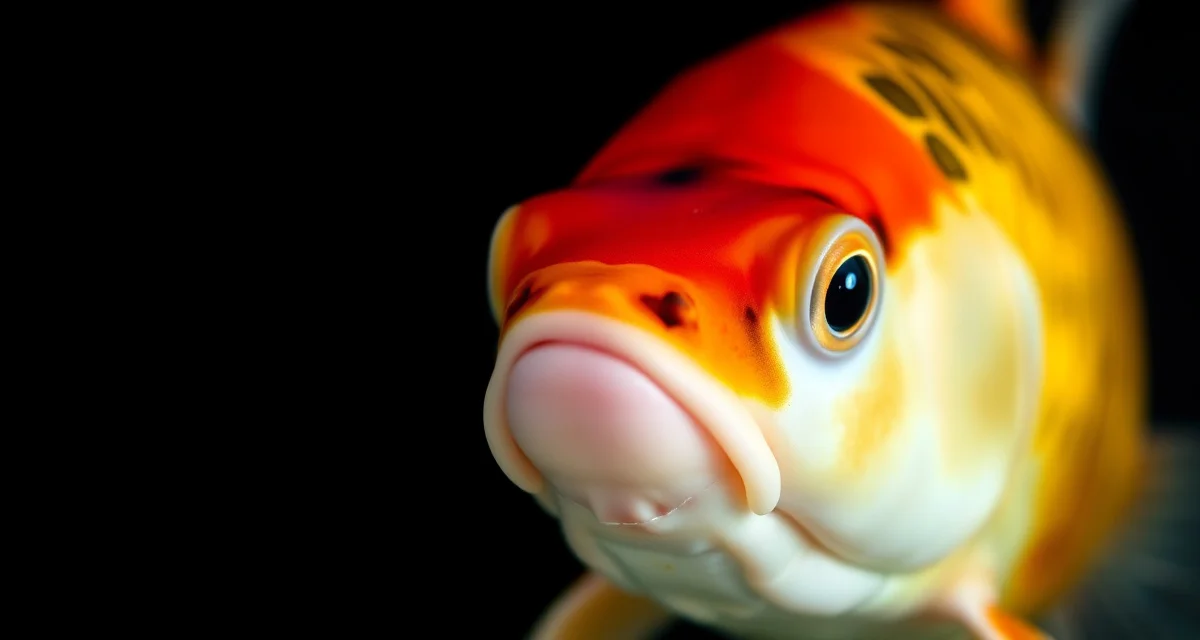
Cloudy Eyes in Koi: Causes and Treatment
Bilateral cloudy eyes (both eyes affected) typically indicate water quality or systemic disease rather than localized infection. A single cloudy eye is more likely to represent localized injury or infection. This distinction guides the initial diagnostic and treatment response.
KoiQuanta's disease log includes eye condition as an observation field. No competitor supports ocular symptom assessment in disease identification the way KoiQuanta does.
TL;DR
- Consistent water quality monitoring is the most effective way to prevent problems with cloudy eyes in koi.
- Tracking trends over time reveals issues before they become visible in fish behavior.
- KoiQuanta connects observations, water data, and treatment records in one searchable history.
- Early detection based on parameter trends reduces treatment costs and fish stress.
- Seasonal changes require adjusted monitoring schedules; automated reminders help maintain consistency.
What Causes Cloudy Eyes in Koi
Bacterial Infection (Exophthalmia / Pop Eye)
Bacterial infection can cause both cloudiness of the lens or cornea and swelling of the eye (exophthalmia, or pop eye), sometimes together. The cloudiness appears as a white or gray film over the eye surface.
When this affects a single eye, it's often caused by a localized bacterial infection following physical injury. When bilateral (both eyes), it suggests systemic infection has reached the eyes as part of broader disease.
Treatment: Improving water quality is the first step. Systemic antibiotic therapy is appropriate when bacterial infection is confirmed or strongly suspected and fish are showing additional signs of systemic illness.
Parasites
Some external parasites, including certain species of monogenean flukes and crustacea, can affect the eye region and cause irritation or cloudiness. Heavy infestations of gill flukes sometimes extend to affect the eye region.
Look for: other parasite signs on the body (flashing, excess mucus, fin clamping), and whether other fish are also showing eye issues.
Treatment: Antiparasitic treatment appropriate to the parasite identified.
Water Quality Issues
Poor water quality, particularly elevated ammonia and nitrite, can cause eye cloudiness through direct chemical irritation of the corneal surface. High levels of chlorine or chloramine from inadequately treated tap water cause acute eye cloudiness, typically in multiple fish simultaneously.
Key indicator: Multiple fish developing cloudy eyes simultaneously strongly suggests water quality rather than infectious disease.
Treatment: Test and correct water parameters immediately. Remove chlorine/chloramine with a commercial dechlorinator if a water change with untreated tap water is the likely cause.
Physical Trauma
Injury to the eye from handling, netting, a sharp object in the pond, or predator encounter causes cloudiness localized to the injured eye. The other eye remains clear.
Treatment: Physical trauma to the eye often heals with good water quality support. Keep the fish in clean, well-oxygenated water. Topical eye treatment is impractical for fish. Watch for bacterial secondary infection developing in the injured eye.
Cataracts (Dietary / Age-Related)
Some koi develop cataracts as they age, appearing as a gradual cloudiness of the lens that's visible through the clear cornea. Vitamin deficiency (particularly vitamin A and E) has been associated with cataract development in some fish species.
Dietary cataracts develop slowly over months, affect both eyes symmetrically, and aren't associated with other disease signs or behavioral changes.
Treatment: No effective treatment for established cataracts. Improving diet quality (complete koi food with appropriate vitamin supplementation) may slow progression. Vision-impaired fish can adapt well, especially in established pond environments.
The One-Eye vs. Two-Eye Distinction
Single cloudy eye: Investigate localized causes first: physical trauma to that eye, localized infection following injury, or unilateral parasite attachment near the eye.
Both eyes cloudy: Water quality investigation first. Systemic disease consideration second. Dietary or age-related changes third (slow onset, no other signs).
Sudden onset in multiple fish: Water quality emergency (ammonia, chlorine, or other chemical cause). Test immediately.
Frequently Asked Questions
What causes cloudy eyes in koi?
Koi can develop cloudy eyes from several causes: bacterial infection (either localized to the eye following injury, or systemic disease affecting the eyes bilaterally), external parasite irritation around the eye region, water quality problems (ammonia, chlorine, and other chemical irritants cause corneal cloudiness through direct chemical injury), physical trauma to the eye from handling or pond hazards, and age or diet-related cataracts. The number of eyes affected (one vs. both), the speed of onset, and the presence of other disease signs are the key factors that guide differential diagnosis.
How do I treat a koi with cloudy eyes?
Treatment depends on the underlying cause. If water quality is the cause, test and correct parameters immediately. If bacterial infection is suspected (typically in fish showing other systemic signs), improve water quality and consider antibiotic therapy if the fish has access to a fish vet or medicated food. For physical trauma, maintain excellent water quality and monitor for secondary infection. For parasitic causes, identify and treat the specific parasite. For cataracts, dietary improvement may slow progression. A single cloudy eye in an otherwise healthy fish with good water quality often improves with time and clean water conditions alone.
Is one cloudy eye different from two cloudy eyes in koi?
Yes, significantly. A single cloudy eye (unilateral) is usually caused by a localized problem: physical injury to that specific eye, a localized infection following injury, or occasionally parasite attachment near the eye. Two cloudy eyes (bilateral) typically indicates a systemic cause: water quality affecting all fish (check for ammonia, chlorine), systemic disease where infection has affected both eyes, or dietary/age-related cataracts developing symmetrically. Sudden bilateral cloudiness in multiple fish simultaneously is a water quality emergency requiring immediate parameter testing. Bilateral cloudiness developing gradually in one fish suggests systemic illness or dietary issues.
What is Cloudy Eyes in Koi: Causes and Treatment?
Cloudy eyes in koi is a condition where one or both eyes develop a white or gray film over the surface. Bilateral cloudiness (both eyes) typically signals a water quality problem or systemic disease, while a single cloudy eye usually points to localized injury or bacterial infection. Identifying which pattern you're seeing is the first step toward the right treatment, whether that means improving pond conditions or treating an individual fish.
How much does Cloudy Eyes in Koi: Causes and Treatment cost?
Treating cloudy eyes in koi has no fixed cost — it depends entirely on the cause. Water quality issues may only require testing supplies and water treatments, costing under $50. Bacterial infections may need antibiotics or medicated baths, ranging from $20 to $100+. Severe cases requiring a veterinarian can cost significantly more. Early detection through consistent monitoring is the most cost-effective approach, as catching problems early reduces the need for intensive treatment.
How does Cloudy Eyes in Koi: Causes and Treatment work?
Diagnosing and treating cloudy eyes in koi starts with observing whether one or both eyes are affected. Bilateral cloudiness points toward water quality testing as the first step — check ammonia, nitrite, pH, and dissolved oxygen. Single-eye cloudiness warrants a closer look for physical injury or localized infection. Treatment follows the root cause: water corrections for parameter issues, salt baths or antibiotics for bacterial infections, and antiparasitic medications for parasitic causes.
What are the benefits of Cloudy Eyes in Koi: Causes and Treatment?
Addressing cloudy eyes promptly protects your koi's long-term health and vision. Left untreated, bacterial infections can spread systemically, and ongoing water quality issues will affect all fish in the pond. Treating the underlying cause also prevents recurrence. Using a structured tracking tool like KoiQuanta helps you correlate eye symptoms with water parameters over time, making it easier to spot patterns, refine your response, and avoid repeat outbreaks.
Who needs Cloudy Eyes in Koi: Causes and Treatment?
Any koi keeper — from hobbyists with a small backyard pond to serious collectors — needs to know how to recognize and respond to cloudy eyes. The condition is common and can affect any fish at any stage. Owners of densely stocked ponds or those in regions with significant seasonal swings face higher risk and benefit most from proactive monitoring. Anyone who has experienced unexplained fish loss should treat ocular symptoms as an early warning sign.
How long does Cloudy Eyes in Koi: Causes and Treatment take?
Recovery time depends on the cause and how quickly treatment begins. Water quality issues can show improvement within days once parameters are corrected. Bacterial infections treated with antibiotics typically show visible improvement in one to two weeks, though a full course of treatment should always be completed. Parasitic causes may take longer depending on the life cycle of the organism involved. Early intervention consistently shortens recovery time and reduces stress on the fish.
What should I look for when choosing Cloudy Eyes in Koi: Causes and Treatment?
When responding to cloudy eyes in koi, prioritize identifying whether one or both eyes are affected, then test water quality immediately regardless of the answer. Look for other symptoms — lethargy, fin clamping, swelling — to narrow the cause. Choose treatments matched to the diagnosis rather than applying broad-spectrum medications by default. If using a disease log or pond management tool, ensure it supports ocular symptom tracking so you can build a reliable history across incidents.
Is Cloudy Eyes in Koi: Causes and Treatment worth it?
Yes — treating cloudy eyes in koi is worth addressing promptly. The condition rarely resolves on its own and can indicate serious underlying problems with water quality or fish health. Ignoring it risks permanent eye damage, systemic infection, or losses across your pond. The investment in proper testing, targeted treatment, and ongoing monitoring pays off in healthier fish and fewer emergencies. Structured tools that connect water data with health observations make the process more reliable and less reactive over time.
Related Articles
- Koi Swim Bladder Disorder: Causes, Diagnosis, and Treatment
- Dropsy in Koi: Causes, Treatment, and Prognosis
- Swim Bladder Problems in Koi: Causes and Treatment
Sources
- Associated Koi Clubs of America (AKCA)
- Koi Organisation International (KOI)
- University of Florida IFAS Extension Aquaculture Program
- Fish Vet Group
- Water Quality Association