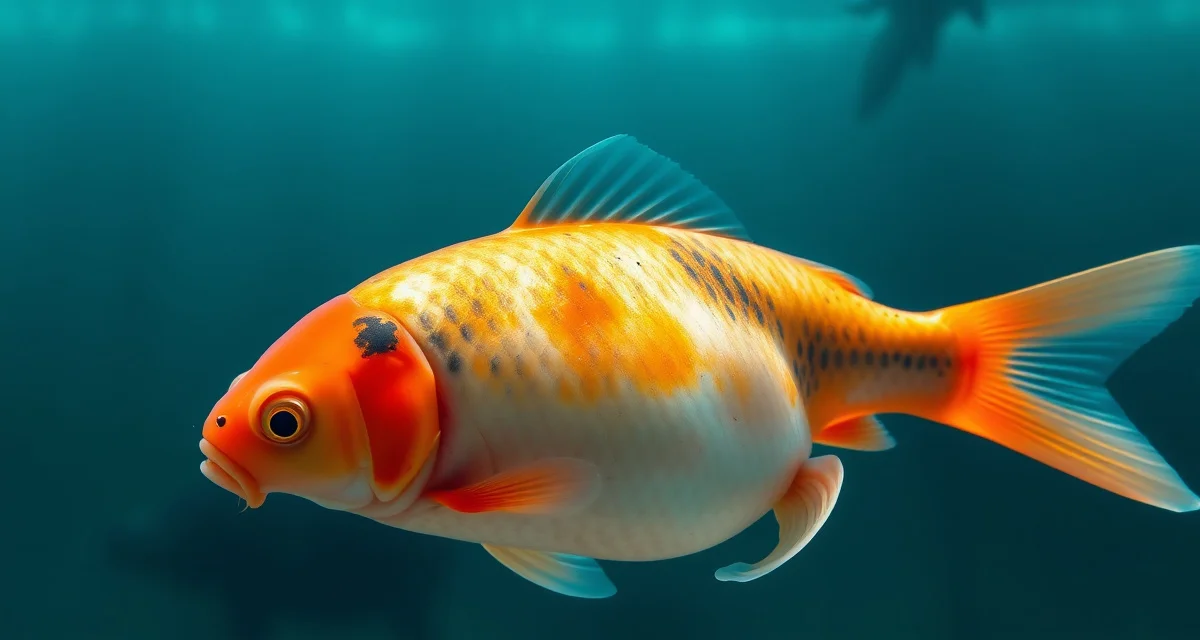
Bloated Koi: Causes and Emergency Response
Differentiating dropsy from constipation changes treatment completely. Getting this wrong is harmful: treating constipation with epsom salt baths while an ascites condition from bacterial disease progresses wastes critical time. Treating a constipated fish with systemic antibiotics is equally unnecessary.
KoiQuanta's AI identification evaluates bloating alongside other symptoms for better diagnosis. No competitor provides structured bloat differential diagnosis.
TL;DR
- Survival rate under 25% for fully pineconed fish.
- Epsom salt in the water (1/8 teaspoon per 5 gallons) can help as a mild laxative.
- KoiQuanta connects observations, water data, and treatment records in one searchable history.
- Early detection based on parameter trends reduces treatment costs and fish stress.
- Seasonal changes require adjusted monitoring schedules; automated reminders help maintain consistency.
The Main Causes of Koi Bloating
Dropsy (Ascites)
Ascites is fluid accumulation in the body cavity and tissues. It produces visible abdominal distension and, in advanced cases, the characteristic pineconing of scales as internal pressure pushes the scales outward.
Ascites is not a disease itself but a symptom of underlying organ failure or systemic disease, most commonly bacterial septicemia affecting the kidneys and disrupting fluid regulation.
Characteristics:
- Progressive swelling that continues to worsen over days
- Often accompanied by scale protrusion (pineconing) in advanced cases
- Fish is typically lethargic, appetite is reduced or absent
- May show additional disease signs: color change, behavioral abnormalities, fin clamping
- Typically affects the whole abdomen, not just one area
Prognosis: Poor to guarded, especially if scale protrusion is present. Survival rate under 25% for fully pineconed fish.
Treatment: Isolation, Epsom salt baths to draw fluid osmotically, systemic antibiotics for bacterial cause, supportive care. See the koi dropsy treatment guide for the complete protocol.
Constipation
Constipation in koi causes localized abdominal distension, typically in the posterior abdominal area. The fish is usually still eating (though appetite may be slightly reduced), is still swimming normally, and doesn't show the systemic signs of disease present in ascites cases.
Causes: overfeeding, diet changes, low-fiber food, cold water slowing gut motility, or occasionally internal parasites disrupting normal digestion.
Characteristics:
- Localized abdominal swelling, often more visible in the posterior abdomen
- Fish still alert and swimming normally
- May still be attempting to eat
- No scale protrusion
- No additional disease signs
Treatment: Fasting for 3-5 days. Then offering easily digestible foods: shelled peas (the green mash inside), high-fiber foods. Epsom salt in the water (1/8 teaspoon per 5 gallons) can help as a mild laxative. Most constipation cases resolve within a week of appropriate dietary management.
Internal Parasites
Tapeworms, roundworms, and other internal parasites can cause abdominal distension when present in significant loads. Internal parasites are significantly underdiagnosed in koi because clinical signs are often subtle.
Characteristics:
- Progressive, unexplained weight loss combined with abdominal distension
- May see white string-like material in the feces
- Fish appetite may be reduced or, paradoxically, increased (parasites consuming nutrients)
Treatment: Praziquantel is effective against tapeworms and some internal parasites. Levamisole is appropriate for roundworms but is harder to obtain for hobbyist use. The koi deworming protocol covers internal parasite treatment in detail.
Reproductive Causes
Female koi develop significant abdominal distension when gravid (carrying eggs) before spawning. This is normal and not a disease condition.
Characteristics:
- Occurs in spring to early summer (spawning season)
- Affects female fish
- Males may be showing increased interest (following behavior)
- Fish is otherwise healthy, eating, and behaviorally normal
- Distension is bilateral and uniformly distributed in the abdominal region
Treatment: No treatment needed. The distension resolves after spawning.
Differential Diagnosis: Quick Reference
| Bloating Type | Appetite | Activity | Scale Protrusion | Other Signs |
|---|---|---|---|---|
| Ascites/Dropsy | Reduced/absent | Lethargic | Often present | Multiple disease signs |
| Constipation | Normal/mildly reduced | Normal | Absent | None |
| Internal parasites | Variable | Usually normal | Absent | Weight loss |
| Gravid female | Normal | Normal | Absent | Spring, female only |
When to Seek Veterinary Help
A bloated koi that isn't responding to conservative management (fasting for constipation, Epsom salt for ascites) within 5-7 days warrants veterinary consultation, especially for high-value fish. A fish vet can:
- Perform a diagnostic aspirate to confirm fluid type (bacterial vs. metabolic)
- Provide injectable antibiotic therapy for systemic bacterial disease
- Offer prognosis assessment based on examination findings
Frequently Asked Questions
Why is my koi bloated?
Koi bloating can be caused by ascites (fluid accumulation from organ failure or bacterial disease), constipation (food accumulation in the gut from overfeeding, diet issues, or cold water), internal parasite load, or reproductive distension in gravid female fish in spring. The key distinguishing features are: behavioral state (lethargic and sick versus alert and active), appetite, whether scales are protrusing, the season and sex of the fish, and whether other disease signs are present. An active, eating fish with no other symptoms that's bloated in spring might be a gravid female. A lethargic fish with no appetite and scale protrusion is a medical emergency.
How do I tell dropsy from constipation in koi?
The most reliable distinction is the fish's overall health status. Constipation affects the gut; the fish is otherwise healthy, still alert, still swimming normally, and typically still eating or at least attempting to. The swelling in constipation tends to be localized to the posterior abdomen. Dropsy (ascites) produces systemic illness: the fish is lethargic, has significantly reduced or absent appetite, and often shows behavioral abnormalities. In advanced dropsy, scales protrude from the body (pineconing), which never occurs in constipation. When in doubt, a fish that's otherwise healthy and active is more likely constipated; a fish that's unwell on multiple metrics is more likely to have ascites.
What is the treatment for a bloated koi?
For constipation: fast for 3-5 days, then offer shelled peas (the green inner mash), high-fiber foods, and optionally add Epsom salt (magnesium sulfate) at 1/8 teaspoon per 5 gallons as a mild laxative. Most cases resolve within a week. For ascites/dropsy: isolate the fish, add Epsom salt at 1-3 teaspoons per gallon to draw fluid from tissues, pursue antibiotic therapy if bacterial cause is suspected (medicated food or vet-administered injectable), and provide excellent water quality and oxygenation. Prognosis for dropsy is poor, especially if scale protrusion is present. For internal parasites: praziquantel for tapeworms, levamisole for roundworms. For gravid females: no treatment needed.
What is Bloated Koi: Causes and Emergency Response?
Bloated koi is a condition where koi fish develop visible abdominal swelling caused by several distinct underlying issues. The two most common are dropsy (ascites), where fluid accumulates in the body cavity due to bacterial infection or organ failure, and constipation from dietary problems. Because these conditions require completely different treatments, accurate identification is critical. Misdiagnosis wastes precious time and can accelerate fish death, particularly with dropsy, which carries a survival rate under 25% once scale pineconing appears.
How much does Bloated Koi: Causes and Emergency Response cost?
Treating bloated koi involves no purchase cost — the core interventions use readily available supplies. Epsom salt baths cost pennies, using roughly 1/8 teaspoon per 5 gallons of water as a mild laxative for constipation cases. Antibiotics for bacterial dropsy vary by product but are widely available at aquatic supply stores. The real cost of getting it wrong is losing your fish. KoiQuanta's diagnostic tools are available to help you identify the condition before committing to a treatment path.
How does Bloated Koi: Causes and Emergency Response work?
Effective treatment starts with differentiating the cause. For constipation, fasting the fish for 24–48 hours followed by Epsom salt baths often resolves the issue. For dropsy caused by bacterial septicemia, isolation in a hospital tank, water quality optimization, and systemic antibiotics are typically required. KoiQuanta's AI identification tool evaluates bloating alongside other observed symptoms and water parameters to guide you toward the correct diagnosis before you begin treatment, reducing the risk of a costly misdiagnosis.
What are the benefits of Bloated Koi: Causes and Emergency Response?
Catching and correctly treating koi bloat early significantly improves survival odds. The primary benefit is avoiding the under-25% survival rate associated with fully pineconed dropsy cases by acting before the condition advances. Correct diagnosis also prevents unnecessary antibiotic use on constipated fish and avoids wasting time on Epsom salt baths when bacterial disease is the real problem. Using a platform like KoiQuanta to track symptoms and water parameters over time makes early pattern recognition far more achievable.
Who needs Bloated Koi: Causes and Emergency Response?
Any koi keeper — from backyard pond hobbyists to serious collectors — needs to understand bloated koi causes and emergency responses. Koi are long-lived, high-value fish, and bloating can appear suddenly or develop gradually. Keepers with larger ponds or multiple fish are especially at risk of missing early signs without structured monitoring. Anyone who has already lost fish to misdiagnosed bloat, or who wants to build a searchable health history to improve future outcomes, will benefit most from this knowledge.
How long does Bloated Koi: Causes and Emergency Response take?
Response time is everything with koi bloat. Constipation cases often resolve within a few days of fasting and Epsom salt treatment. Dropsy cases are more urgent — once pineconing is visible, internal damage is already significant and survival odds drop sharply. Isolation and antibiotic treatment should begin within hours of a confirmed dropsy diagnosis. This is why fast, accurate identification matters: every day spent on the wrong treatment protocol for a bacterial infection reduces the chance of saving the fish.
What should I look for when choosing Bloated Koi: Causes and Emergency Response?
When addressing koi bloating, the most important factor is accurate differential diagnosis before any treatment begins. Look for whether scales are pineconing outward, which strongly indicates dropsy rather than simple constipation. Check water quality parameters immediately, as ammonia spikes and poor conditions accelerate bacterial disease. Review the fish's recent diet and behavior history. Choose diagnostic tools that evaluate multiple symptoms together rather than in isolation. KoiQuanta's structured approach to bloat differential diagnosis offers something no competing platform currently provides.
Is Bloated Koi: Causes and Emergency Response worth it?
Yes — understanding koi bloat causes and emergency responses is worth every keeper's attention. The consequences of inaction or misdiagnosis are severe: a fully pineconed fish has less than a 25% chance of survival. The interventions themselves are low-cost, but only when applied correctly and promptly. For fish that may represent years of care and significant financial investment, having a reliable diagnostic framework and treatment history is not optional — it is the difference between saving a fish and losing one that could have been treated in time.
Related Articles
Sources
- Associated Koi Clubs of America (AKCA)
- Koi Organisation International (KOI)
- University of Florida IFAS Extension Aquaculture Program
- Fish Vet Group
- Water Quality Association