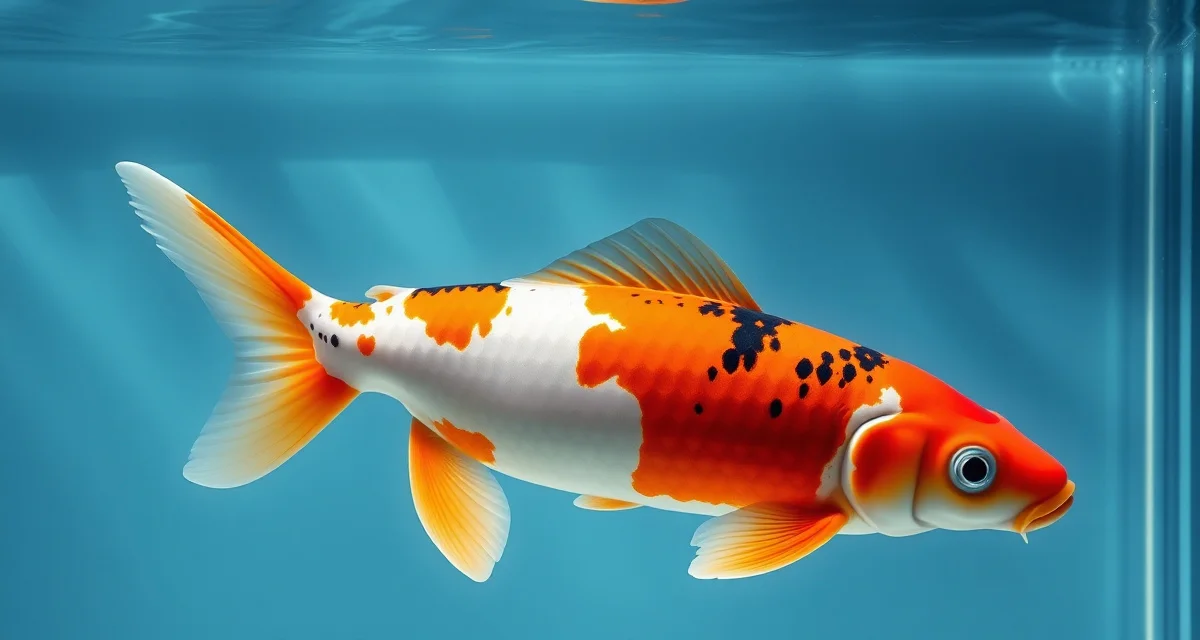
How to Reduce Stress When Introducing New Koi
Stress-induced cortisol release in koi suppresses immune function for up to 72 hours after introduction. That's the critical window you need to understand. A fish that arrives healthy can become disease-susceptible within hours of being introduced to a new environment -- not because it caught something, but because the stress of transport, handling, and acclimation temporarily knocked out its defenses.
This is why so many hobbyists see disease appear in new fish within the first week and assume they were sold sick fish. Often, the fish were fine -- stress opened the door to pathogens that were already present in the pond or that the fish was carrying subclinically.
TL;DR
- A 3-4°C temperature difference can cause thermal shock that compounds transport stress considerably.
- The fish isn't going anywhere, and the 20 minutes you spend floating the bag can make the difference between a smooth introduction and an emergency.
- Do this gradually -- add small amounts of quarantine water to the bag over 10-15 minutes before releasing the fish.
- For the full 30-day protocol that covers every stage of introduction, see the complete koi quarantine guide.
- Then open the bag and slowly add small amounts of quarantine tank water every few minutes for another 10-15 minutes before releasing the fish.
- Keep aeration running, avoid feeding for 24-48 hours, and dim the lighting if possible.
- Fish that are still hiding, clamped, or sitting on the bottom after 72 hours may be dealing with disease, poor water quality, or ongoing stress from incompatible tankmates.
The Acclimation Process Matters More Than You Think
When a koi arrives, it's coming out of a transport bag with its own water chemistry -- pH, temperature, and dissolved oxygen levels that may be very different from your quarantine tank. Dumping it directly into your system forces it to adapt to multiple parameter changes simultaneously while already stressed from transport. That's too much at once.
KoiQuanta's structured acclimation checklist covers water temperature matching, oxygen management, and gradual introduction to minimize stress. The protocol walks you through the right sequence so you don't inadvertently create the conditions that make new fish crash.
Temperature Matching
Float the transport bag in your quarantine tank for 15-20 minutes before opening it. This equalizes water temperature and gives the fish time to stabilize. A 3-4°C temperature difference can cause thermal shock that compounds transport stress considerably.
Don't rush this step. The fish isn't going anywhere, and the 20 minutes you spend floating the bag can make the difference between a smooth introduction and an emergency.
Oxygen Management
Transport bags are charged with pure oxygen, so when you open the bag and mix in quarantine tank water, you're actually reducing the dissolved oxygen available to the fish. Do this gradually -- add small amounts of quarantine water to the bag over 10-15 minutes before releasing the fish. This gives the fish time to adapt to the oxygen level change while also adjusting to the new water chemistry.
Have aeration running in the quarantine tank at full capacity during introduction. Stressed fish consume oxygen faster than resting fish.
The First 48 Hours
Don't feed new arrivals for the first 24-48 hours. Their digestive systems are suppressed by stress hormones, and uneaten food will spike ammonia in the quarantine tank. This is one of the fastest ways to turn a stressed-but-healthy fish into a sick one.
The new koi quarantine protocol in KoiQuanta includes a feeding hold as a default for the first 48 hours, with reminders to start light feeding once fish are actively swimming and showing interest in the water surface. For the full 30-day protocol that covers every stage of introduction, see the complete koi quarantine guide.
Observation During the Stress Window
Watch new arrivals closely for the first 72 hours. You're looking for fish that are resting on the bottom (not just sitting), clamping fins, flashing, or showing rapid gill movement. These are early stress signs that can progress to disease if not caught.
Dim lighting helps stressed fish settle. Koi that feel exposed in bright light with nowhere to hide will remain elevated in stress response longer than fish that have shade or cover.
Frequently Asked Questions
How do I properly acclimate new koi to my pond?
Float the sealed transport bag in your quarantine tank for 15-20 minutes to equalize temperature. Then open the bag and slowly add small amounts of quarantine tank water every few minutes for another 10-15 minutes before releasing the fish. Never mix pond water directly into the bag rapidly. Keep aeration running, avoid feeding for 24-48 hours, and dim the lighting if possible. KoiQuanta's acclimation checklist walks through the full sequence with timing prompts.
How long does it take for koi to settle in after introduction?
Most koi show normal behavior within 48-72 hours of introduction, assuming water quality is good and the acclimation process went smoothly. Fish that are still hiding, clamped, or sitting on the bottom after 72 hours may be dealing with disease, poor water quality, or ongoing stress from incompatible tankmates. The immune suppression window extends to about 72 hours post-introduction, so that period is when you're most at risk of stress-related disease.
What signs tell me a new koi is too stressed?
Watch for clamped fins held tight against the body, sitting on the bottom rather than swimming, rapid gill movement at rest, flashing or rubbing against surfaces, and loss of color brightness. Any of these signs in the first 48-72 hours warrant closer observation and a water quality check. If multiple fish show symptoms simultaneously, test ammonia and oxygen immediately -- poor quarantine water quality is a common stress amplifier that gets mistaken for disease.
What is How to Reduce Stress When Introducing New Koi?
Reducing stress when introducing new koi refers to the set of practices used to safely acclimate koi fish to a new pond or quarantine tank. This includes temperature matching, gradual water mixing, and maintaining a calm environment during the critical 72-hour window when cortisol suppresses immune function. Proper introduction techniques prevent stress-induced disease outbreaks that are commonly mistaken for sick fish from the seller.
How much does How to Reduce Stress When Introducing New Koi cost?
Reducing stress when introducing new koi costs nothing beyond what you already need for basic fishkeeping. A quarantine tank, an air pump, and 20-30 minutes of careful attention are the only requirements. Some hobbyists invest in a quality thermometer and stress-reducing additives like pond salt or slime coat enhancers, which typically cost under $20 combined. The real cost of skipping these steps is far higher — lost fish and treatment expenses.
How does How to Reduce Stress When Introducing New Koi work?
The process works by gradually equalizing water temperature and chemistry between the transport bag and the destination tank. Float the sealed bag for 15-20 minutes to match temperature, then slowly add small amounts of quarantine water every few minutes over another 10-15 minutes. This prevents thermal shock and osmotic stress, keeping cortisol levels low so the fish's immune system stays functional during the vulnerable first 72 hours.
What are the benefits of How to Reduce Stress When Introducing New Koi?
The main benefits are a significantly lower risk of disease outbreak and higher survival rates for new fish. When stress is minimized, koi maintain immune function and can resist pathogens they may already be carrying subclinically. You also protect your existing pond population from exposure to new pathogens. Proper acclimation reduces the chance of misdiagnosing healthy fish as sick, saving time, money, and emotional investment.
Who needs How to Reduce Stress When Introducing New Koi?
Anyone who keeps koi needs to understand stress reduction during introductions — from beginners buying their first fish to experienced hobbyists expanding an established pond. If you've ever lost a new fish within the first week and assumed it came from a bad seller, this process is especially relevant. It's also critical for pond owners who source fish from multiple suppliers or attend koi shows where disease transmission risk is higher.
How long does How to Reduce Stress When Introducing New Koi take?
The active acclimation process takes 30-45 minutes from bag floating to fish release. However, the full critical window lasts 72 hours, during which the fish should remain in a quarantine tank with minimal handling and stable water conditions. A complete quarantine protocol typically runs 30 days before introducing new koi to your main pond. The time investment upfront is small compared to the weeks of treatment a preventable outbreak can require.
What should I look for when choosing How to Reduce Stress When Introducing New Koi?
Look for a process that addresses temperature matching, gradual water chemistry equalization, and a dedicated quarantine period. Avoid any introduction method that rushes acclimation or skips quarantine entirely. The best approaches account for the 3-4°C threshold that causes thermal shock, include aeration throughout, and give fish time to recover from transport stress before facing new pathogens in the main pond. A 30-day quarantine protocol offers the most complete protection.
Is How to Reduce Stress When Introducing New Koi worth it?
Yes, proper stress reduction during koi introductions is absolutely worth the time. The 20-30 minutes of careful acclimation can prevent disease outbreaks that cost far more in treatments, lost fish, and stress to your existing pond population. Given that immune suppression from cortisol can last up to 72 hours, skipping this step leaves your fish unnecessarily vulnerable. For any hobbyist serious about maintaining a healthy pond, it is one of the highest-return practices you can adopt.
Related Articles
Sources
- Associated Koi Clubs of America (AKCA)
- Koi Organisation International (KOI)
- University of Florida IFAS Extension Aquaculture Program
- Fish Vet Group
- Water Quality Association